Feast of Santa Dulce Dos Pobres 2026 Begins in Salvador, Brazil
Faith & Culture: Salvador
Key Facts
—Event. The Festa de Santa Dulce dos Pobres runs 1 to 13 August 2026 in Salvador, Bahia, honoring Brazil’s first native-born saint.
—Opening. It began on Saturday 1 August with a Solemn Mass at 8:30 a.m. at the Santuário Santa Dulce dos Pobres, at the Largo de Roma, led by auxiliary bishop Dom Gilvan Pereira Rodrigues.
—Program. The 13-day “Trezena Solene” brings daily Masses, a quermesse (church fair), cultural shows and free public services around the sanctuary.
—Processions. The Procissão dos Nós walks from the sanctuary to the Igreja do Senhor do Bonfim on 12 August; the Procissão Luminosa follows on 13 August, the saint’s feast day.
—High point. On 13 August, an open-air Missa Campal at 5 p.m. led by Cardinal Dom Sérgio da Rocha anchors the celebrations, which close with the Procissão Luminosa and a blessing of the Blessed Sacrament.
Salvador has opened its 13-day Feast of Santa Dulce dos Pobres, honoring Brazil’s first native-born saint, with celebrations running from 1 to 13 August 2026 at her sanctuary in the Largo de Roma.
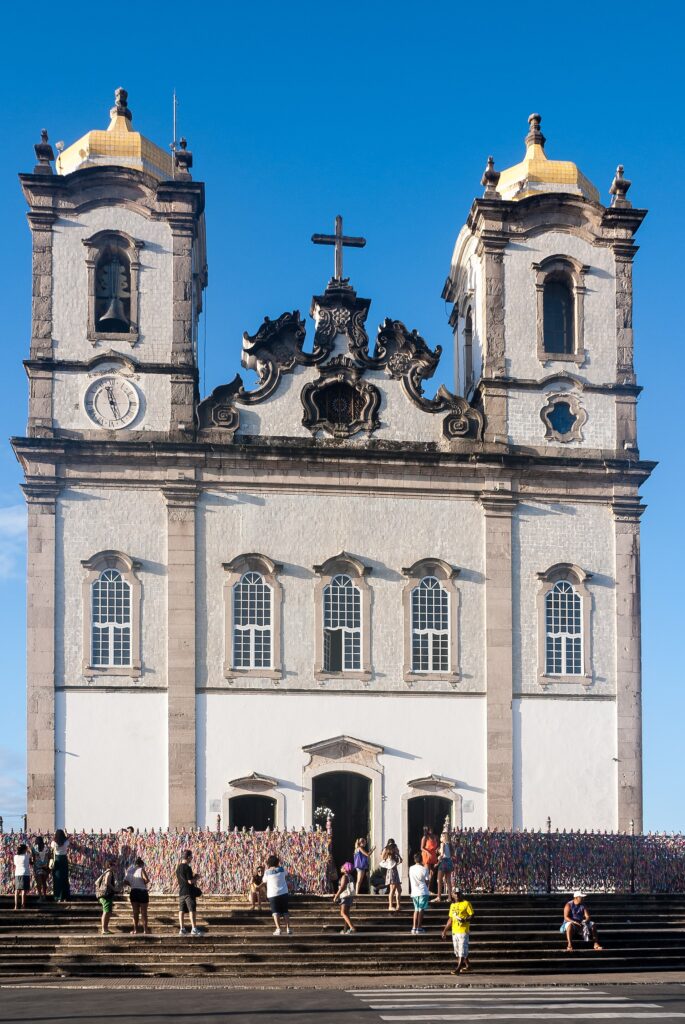
Who Was Santa Dulce dos Pobres
Santa Dulce dos Pobres was born Maria Rita de Souza Brito Lopes Pontes in Salvador in 1914 and became a Franciscan nun known simply as Irmã Dulce, or Sister Dulce. She spent her life caring for the sick and the poor of Bahia.
Widely called “o Anjo Bom do Brasil” (Brazil’s Good Angel), she founded the charitable network now known as the Obras Sociais Irmã Dulce. She died in 1992.
In October 2019, Pope Francis canonized her at the Vatican, making her the first Brazilian-born saint. Her feast day is 13 August, the date around which the Salvador celebrations are built.
How the Feast Opened
The festival opened on Saturday 1 August 2026 with a Solemn Mass at 8:30 a.m. in the Santuário Santa Dulce dos Pobres, at the Largo de Roma. Auxiliary bishop Dom Gilvan Pereira Rodrigues presided, and Salvador’s mayor attended.
The opening day also included Masses at noon and 4 p.m., the launch of the quermesse — a traditional church fair — at 3 p.m., and the start of the Trezena Solene at 6 p.m.
This year’s edition carries the theme “Santa Dulce dos Pobres nos educa na paz pela força da Graça Sacramental” (Santa Dulce teaches us peace through the strength of Sacramental Grace).
The 13-Day Trezena and Its Rhythm
The Trezena Solene is a 13-day devotion, a longer cousin of the novena, with daily Masses and themed blessings leading up to the feast day. It structures the two weeks of celebration.
Alongside the religious program, the festival mixes secular, cultural, economic and social activities: fairs, live shows and free services offered to the public. Organizers frame it as both a devotion and a civic gathering.
For a foreign visitor, the feast offers a window into how deeply Irmã Dulce is woven into Bahian identity, blending Catholic devotion with the everyday life of the city.
Processions and Street Events
Two street events on 9 August set the tone: the Santo Pedal, a cycling pilgrimage leaving the Conceição da Praia church at 7 a.m., and the Motociata Rota da Fé, a motorcycle procession departing at 9 a.m. toward the sanctuary.
The Procissão dos Nós (“Procession of the Knots”) walks the Caminho da Fé from the sanctuary to the Igreja do Senhor do Bonfim on 12 August at 3 p.m.
The following day, the Procissão Luminosa, a candlelit evening procession, moves along the same route on 13 August, the saint’s liturgical feast day.
The Feast Day: 13 August
The high point falls on 13 August. The day starts with the Alvorada Festiva at 5:30 a.m. and continues with Masses at 6, 7, 8:30, 10 a.m., noon and 2 p.m.
At 5 p.m., an open-air Missa Campal is led by the Archbishop of Salvador and Primate of Brazil, Cardinal Dom Sérgio da Rocha, followed by the candlelit Procissão Luminosa.
Cultural programming rounds out the day at the Praça Irmã Dulce, including an afternoon performance by the priest-singer Padre Antônio Maria, with the evening given over to the Procissão Luminosa and the blessing of the Blessed Sacrament.
What It Means for Visitors and Expats
The feast is free and open to all, and much of it unfolds outdoors around the Largo de Roma and Salvador’s lower town. That makes it easy for newcomers to join without tickets or planning.
For expats in Bahia, the celebration is a chance to understand a figure many Brazilians hold in genuine affection, and to see the mix of faith, music and community that defines Salvador’s religious calendar.
Visitors should expect crowds, road closures around the processions, and a warm, family atmosphere rather than a tourist spectacle.
More: Brazil news in English, every day from The Rio Times.
Frequently Asked Questions
When is the Feast of Santa Dulce dos Pobres 2026?
The feast runs from 1 to 13 August 2026 in Salvador, Bahia. It opened with a Solemn Mass on Saturday 1 August and culminates on 13 August, the saint’s liturgical feast day.
Where do the celebrations take place?
The main venue is the Santuário Santa Dulce dos Pobres at the Largo de Roma in Salvador. Processions run along the Caminho da Fé to the Igreja do Senhor do Bonfim.
Who was Santa Dulce dos Pobres?
Born Maria Rita Lopes Pontes in 1914 and known as Irmã Dulce, she was a Bahian Franciscan nun who served the poor. Pope Francis canonized her in 2019, making her Brazil’s first native-born saint.
Sources
Sources: Salvador da Bahia, Let’s Go Bahia, Correio 24 Horas.
This article was produced by The Rio Times’ automated newsroom system. How we use AI · Report an error
In depth
Read More from The Rio Times