
GUIDES · EGYPT
Key Facts
- —The country Egypt had about 118.4 million people in 2025 and an economy of about US$365 billion, per the World Bank. It guards the Suez Canal and borders Israel, Gaza, Libya and Sudan.
- —At the top President Abdel Fattah el-Sisi, a former army chief, sworn in for his current six-year term on 2 April 2024. Mostafa Madbouly is prime minister as of October 2026.
- —The military The defence minister is also commander in chief. Under Article 234, he is appointed only with the approval of the Supreme Council of the Armed Forces.
- —The money Forbes counted six Egyptian billionaires on its 2026 Africa list, led by Nassef Sawiris at US$9.6 billion, as of 1 March 2026. Three are Sawiris brothers, three are Mansours.
- —Faith About 90 percent of Egyptians are Sunni Muslim and about 10 percent Christian, most of them Coptic Orthodox, per the US State Department’s 2023 religious freedom report.
- —Inequality A Gini index of 28.5 in 2021, per the World Bank. The official poverty rate was 29.7 percent in 2019/20, per CAPMAS, the national statistics agency.
Egypt power sits in a small number of hands: the presidency, the armed forces and the security services. Around them stand a few business families and two great religious institutions.
Elected bodies, unions and the provinces matter far less.
For a US reader, this map explains why Egypt is a steady American security partner and why its economy reforms slowly. It also shows why decisions on the Suez Canal, Gaza and debt come from very few people.
How Egypt Power Is Structured
Egypt is a presidential republic under its 2014 constitution, amended in 2019. Article 140 sets six-year presidential terms.
On paper, the House of Representatives, the Senate and the courts check the president.
In practice, the presidency and the security establishment sit at the centre. Abdel Fattah el-Sisi led the army before he ran for president in 2014.
His current term ends in 2030, and no successor has been publicly named as of October 2026.
The prime minister, Mostafa Madbouly, runs a cabinet of technocrats and senior officers. He leads the government rather than a party, and carries out the president’s programme.
Our guide to Egypt politics and its office-holders sets out each minister in detail.
Around that core stand four further circles. They are the military economy, the security services, a handful of tycoons, and the religious establishment.
Each has its own sources of influence and its own red lines.
The Armed Forces as Arbiter and Business Owner
The constitution gives the army an unusual political role. Article 200, as amended in 2019, tells the armed forces to protect the country and to “maintain the Constitution, democracy, the basic of civil state”.
Article 201 makes the defence minister commander in chief, chosen from among the officers. Article 234 says the minister is appointed only with the approval of the Supreme Council of the Armed Forces.
As of October 2026 the post is held by Lieutenant General Ashraf Salem Zaher.
Article 204 lets military courts try civilians for crimes against military facilities, equipment or zones. Rights groups have long criticised that clause, and the government defends it as a security necessity.
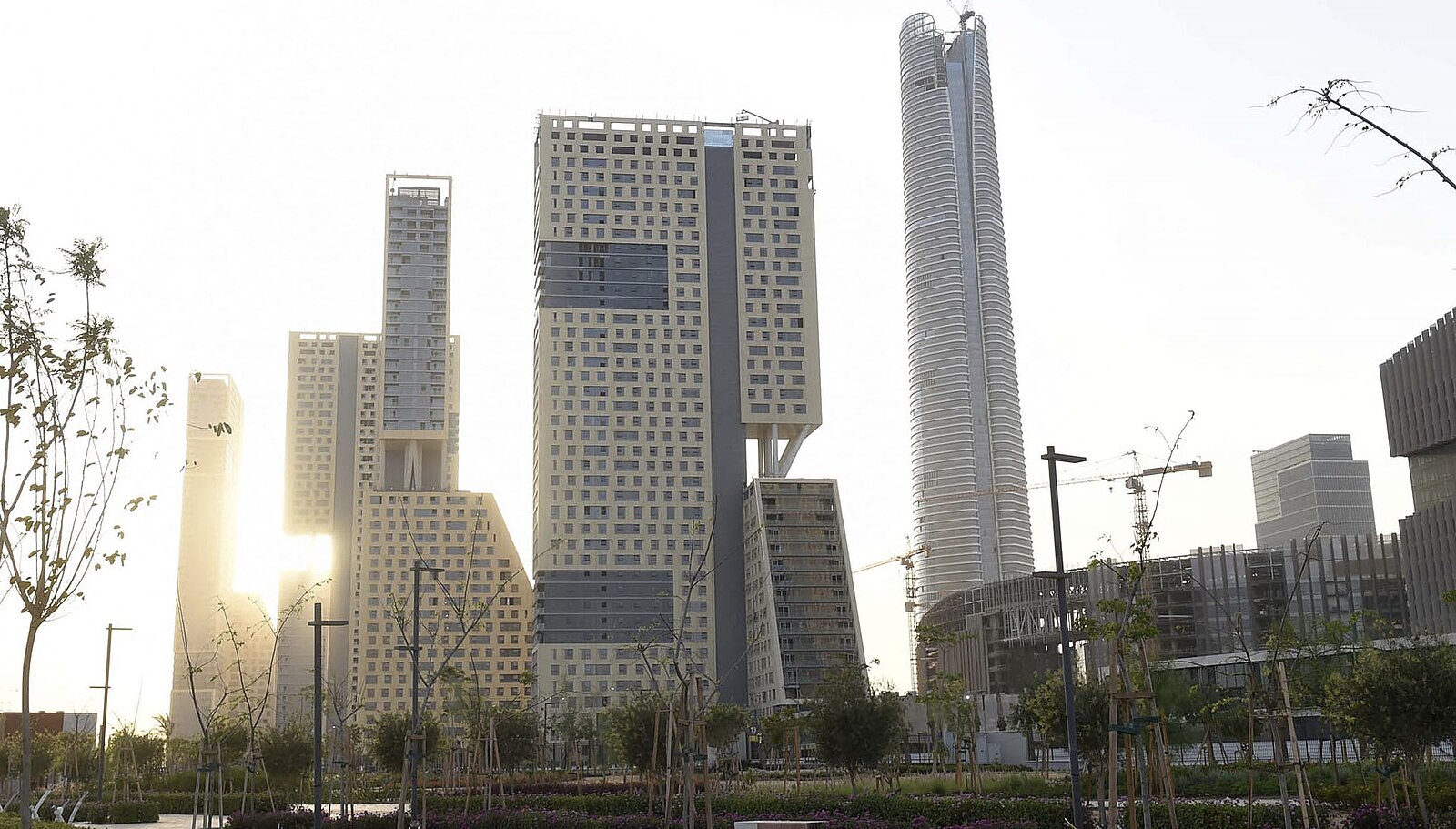
The army is also an economic actor. The Administrative Capital for Urban Development builds the new seat of government.
It is 51 percent owned by the military and 49 percent by a government agency, the New Urban Communities Authority.
How large the military economy is remains disputed. President Sisi said in December 2016 that the armed forces account for 1.5 to 2 percent of the economy, rejecting claims of 50 percent.
No independent audit has settled the figure.
The International Monetary Fund has pushed for a smaller state footprint. In March 2026 it asked Egypt to offer 10 state companies and two state banks by the end of May, Al Manassa reported.
Five of the companies were linked to the armed forces.
That condition was tied to about US$3.3 billion in loan payouts across June and November 2026. The fuel retailer Wataniya and the bottled-water maker Safi, both described by Al Manassa as military-affiliated, were among the firms slated for listing.
Security Services and the Inner Circle
Three security bodies shape politics alongside the army. The General Intelligence Service handles foreign files such as Gaza and Libya.
Its chief, Hassan Rashad, hosted a Hamas delegation for Gaza talks in Cairo in August 2026.
The Interior Ministry runs the police and the National Security sector, the domestic intelligence arm. Its minister is Major General Mahmoud Tawfik as of October 2026.
Military intelligence is the third. Researchers and rights groups describe these bodies as gatekeepers for candidates, media and business, a role the government does not discuss in public.
The result is a system in which careers and contracts often depend on security approval. That is why outsiders who want to understand Egypt power look at officers and agencies before they look at parliament.
Business Families and New Tycoons
Private wealth in Egypt is concentrated in a few family groups. Forbes counted six Egyptian billionaires on its 2026 Africa list, using prices from 1 March 2026.
- Nassef Sawiris: about US$9.6 billion, from construction and investments. Forbes Africa reported in April 2026 that he was set to become chairman of Adidas in May.
- Naguib Sawiris: about US$5.6 billion, from telecoms.
- Samih Sawiris: about US$1.4 billion, from real estate and hotels.
- Mohamed Mansour: about US$4 billion, from the diversified Mansour Group.
- Youssef Mansour and Yasseen Mansour: about US$1.8 billion and US$1.4 billion, also from the family group.
These families built much of their wealth abroad and in partnership with foreign brands. They operate inside Egypt with care, because the state and the army are both regulators and competitors.
A newer kind of tycoon rose from Sinai. Ibrahim al-Organi (also spelled Argany), a businessman and tribal leader, heads the Union of Arab Tribes, an alliance of about 30 Bedouin tribes declared on 1 May 2024.
President Sisi was named its honorary chairman.
Mada Masr, an independent Egyptian outlet, described Organi as a former fugitive who became a partner in the army’s campaign against militants in Sinai. News reports alleged that his Cairo tour company handled Gaza travellers crossing at Rafah.
Organi sponsored the preparatory meetings of the National Front Party, a pro-government party launched in December 2024. Party figures said he is not and will not be a member.
Al-Azhar, the Coptic Church and Religious Authority
Islam is the state religion under Article 2, and the principles of Islamic law are the main source of legislation. About 90 percent of Egyptians are Sunni Muslim, per the US State Department.
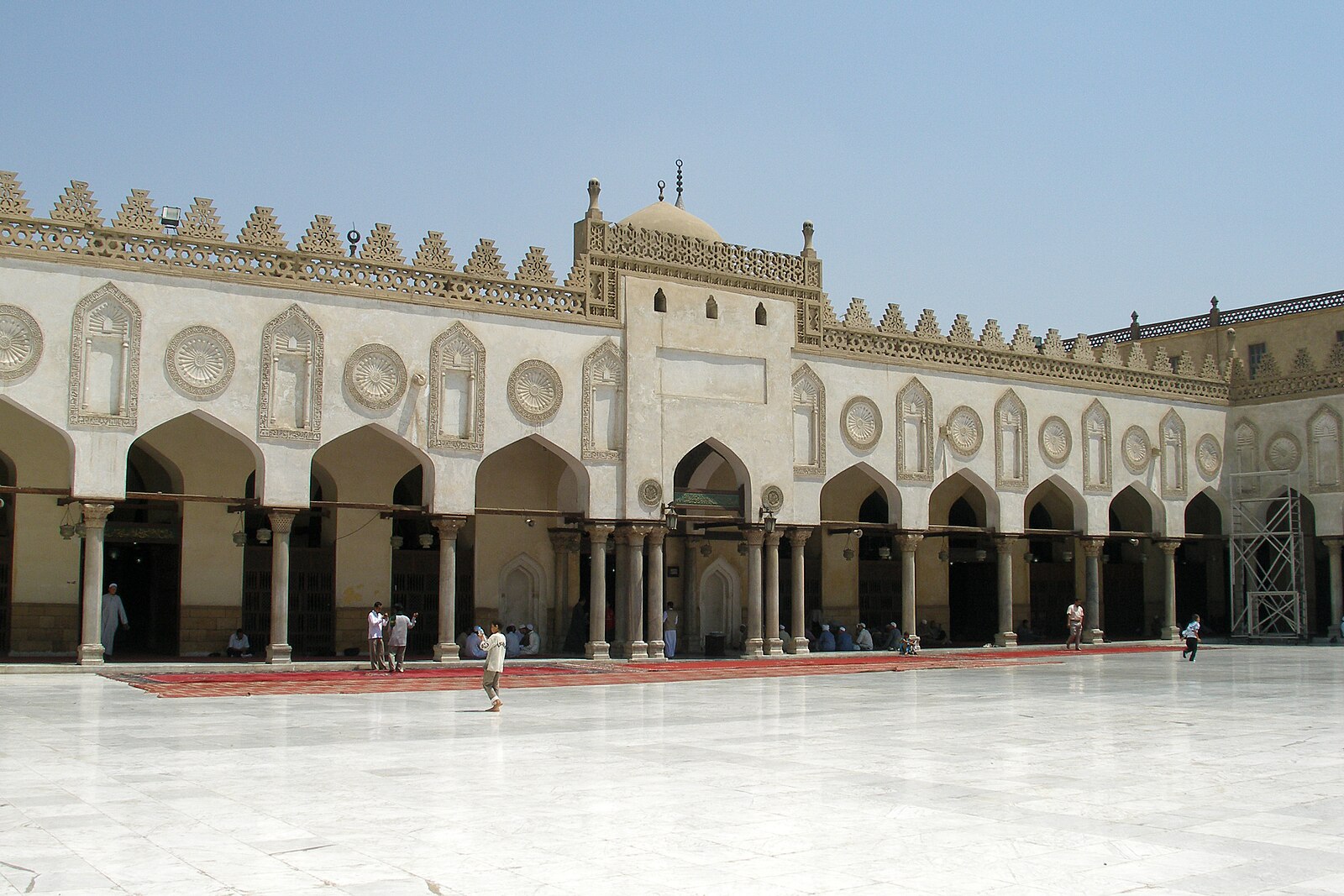
Al-Azhar, the thousand-year-old mosque and university in Cairo, is one of the most influential seats of Sunni learning. Article 7 makes it independent, and its Grand Imam cannot be dismissed.
The current Grand Imam is Ahmed el-Tayeb.
Christians make up about 10 percent of the population, and about 90 percent of them belong to the Coptic Orthodox Church. Its head is Pope Tawadros II.
Article 3 lets Christian and Jewish laws govern their personal status and the choice of their spiritual leaders.
Both institutions support the state in public and bargain with it in private, over textbooks, church building and family law. Smaller groups, such as Shia Muslims and an estimated 1,000 to 2,000 Baha’is, have far less voice.
The Muslim Brotherhood, which won the 2012 presidential election through Mohamed Morsi, is outlawed in Egypt. In January 2026 the US Treasury named its Egyptian branch a Specially Designated Global Terrorist group, Ahram Online reported.
Parliament, Parties and Unions
The House of Representatives, elected in 2025, chose Hisham Badawy as speaker in January 2026. Pro-government parties dominate the chamber.
Nation’s Future (Mostaqbal Watan), the largest pro-government party, and its allies took 23 of the 25 House committee chairs in January 2026, Al Manassa reported. The other main pro-government groups are Homeland Defenders (Homat al-Watan) and the National Front.
The National Front was launched by former ministers and officials, including former housing minister Assem el-Gazzar. Its founders said it would stand between loyalists and the opposition.
Trade unions carry little independent weight. Article 76 guarantees independent unions, but the Arab Trade Union Confederation said in May 2026 that Egypt’s labour reforms fail independent unions, Al Manassa reported.
The state prefers to deliver wage and cash measures directly. President Sisi announced worker support measures, including cash support, on Labour Day in 2026, state media reported.
Regions: Cairo and the Delta Versus Upper Egypt, Sinai and Nubia
Most Egyptians live along the Nile valley and in its delta. The World Bank counted 42.9 percent of the population as urban in 2025, so most people still live in towns and villages officially classed as rural.
Power and money cluster in greater Cairo, Alexandria and the Delta. The south, known as Upper Egypt, has long sent workers north and abroad, and it has had less say over the decisions that shape it.
CAPMAS figures for 2015 put poverty at 56.7 percent in rural Upper Egypt and 66 percent in Assiut and Sohag. The same survey found 18 percent in Cairo and 19.7 percent in Lower Egypt.
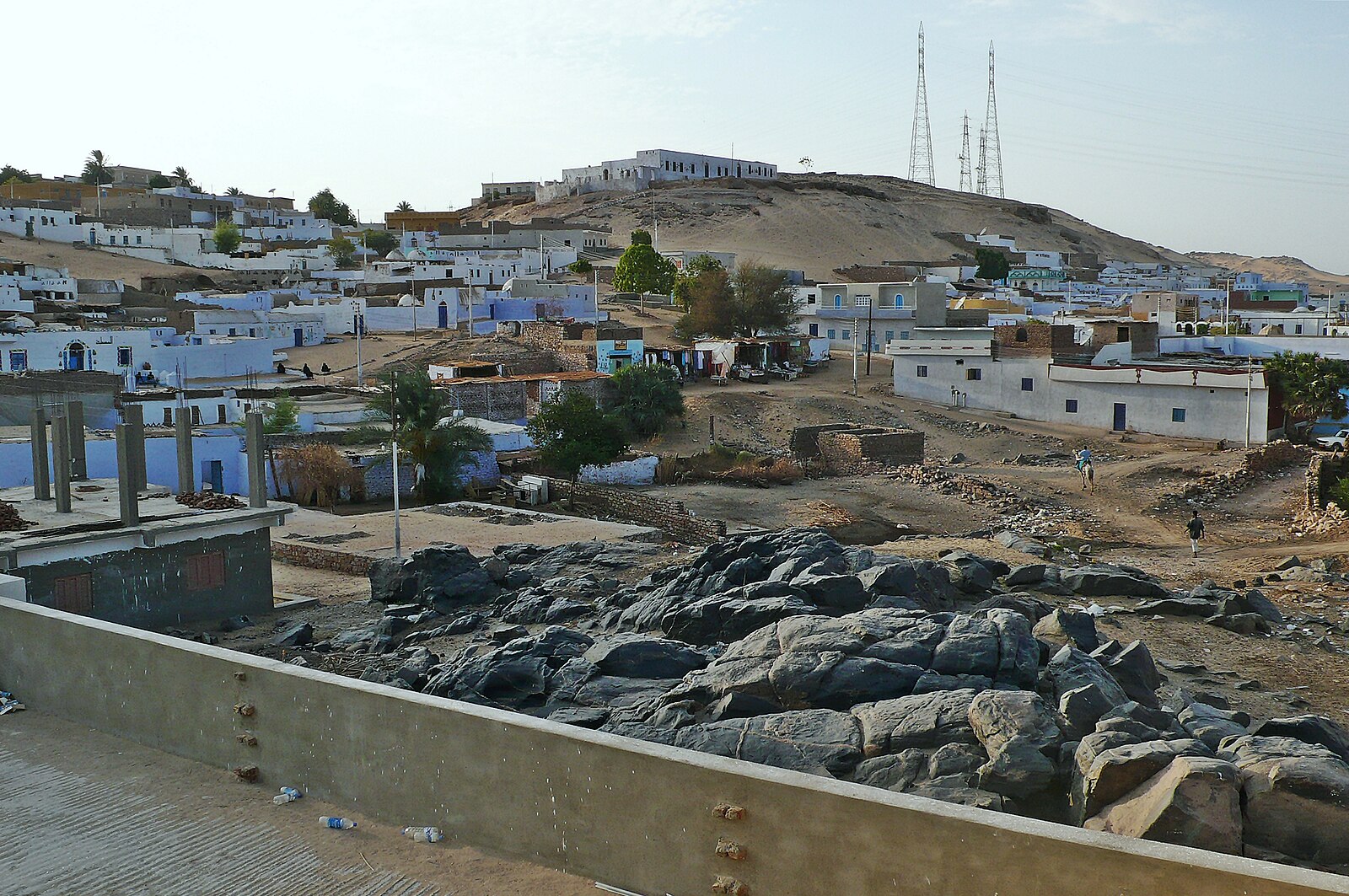
Article 236 names Upper Egypt, Sinai, Matrouh and Nubia as border and underprivileged areas the state must develop. It also promises projects to return Nubians to their original lands, displaced by the Aswan dams, within ten years of its adoption in 2014.
Sinai is governed largely as a security zone. North Sinai saw years of fighting against militants, and tribal leaders allied with the army gained influence there.
The Rafah crossing to Gaza makes the area important to Washington and Israel.
The Western Desert and Matrouh on the Mediterranean are home to Bedouin communities. That coast is now the site of large Gulf-funded resort projects, covered in our guide to Egypt’s foreign investors.
Inequality and Who Is Left Out
Measured by household spending, Egypt does not look very unequal. The World Bank puts its Gini index at 28.5 in 2021, down from 31.9 in 2019.
Surveys of spending, however, miss the very top, where land, contracts and family groups sit. The Forbes list alone puts six Egyptians at a combined wealth of about US$23.8 billion.
The official poverty rate fell to 29.7 percent in 2019/20 from 32.5 percent in 2017/18, CAPMAS said, the first fall since 1999/2000. A newer national figure could not be confirmed from CAPMAS.
The groups with the least say are clear. They include rural Upper Egypt, Nubians, Sinai residents outside tribal alliances, independent unions, religious minorities beyond the Coptic church, and the Islamist opposition.
Young graduates in the cities form another group with little voice. They have few channels for organised politics, and many look for work in the Gulf instead.
What It Means for US Readers
Investors: the state and the army are often both regulator and competitor. Check who ultimately owns a counterparty, and watch the IMF-linked sale of military-affiliated firms such as Wataniya and Safi as a test of real reform.
Policy watchers: Washington has given Egypt more than US$50 billion in military aid and US$30 billion in economic aid since 1978, the State Department says. That aid buys a stable partner on the Suez Canal and the Gaza border, not political opening.
Travellers and expats: tourist areas run smoothly, but North Sinai is a security zone. Religious sites such as Al-Azhar and the Coptic cathedrals welcome visitors who dress modestly and follow local rules.
US politics: the Brotherhood question now reaches American states. Florida approved a terrorist designation of the Brotherhood on 29 September 2026, due to take effect on 5 November unless courts intervene, Ahram Online reported.
Connected Coverage
What Is Not Known
- Who will succeed President Sisi when his term ends in 2030. No heir has been publicly named.
- The true size of the military’s economic empire. No independent audit has been published.
- Whether the army-owned firms offered under the IMF programme will be sold in full, and to whom.
- Current poverty and regional figures. The latest published national poverty rate dates from 2019/20.
- How much influence the Union of Arab Tribes and its leader hold in Sinai policy and Gaza crossings.
Frequently Asked Questions
Who holds the most power in Egypt?
President Abdel Fattah el-Sisi, a former army chief, together with the armed forces and the security services. Parliament and the cabinet work inside limits the presidency sets.
How much of the economy does the Egyptian military control?
Nobody knows for sure. President Sisi said in December 2016 that it accounts for 1.5 to 2 percent of the economy, and no independent audit has settled the figure.
Who are the richest people in Egypt?
Forbes counted six Egyptian billionaires in 2026, led by Nassef Sawiris at about US$9.6 billion. The others are Naguib and Samih Sawiris and three members of the Mansour family.
What role does religion play in Egypt power?
Islam is the state religion and Al-Azhar is constitutionally independent. About 10 percent of Egyptians are Christian, mostly Coptic Orthodox, led by Pope Tawadros II.
Which regions of Egypt are poorest?
Rural Upper Egypt. CAPMAS figures for 2015 put poverty at 56.7 percent there and 66 percent in Assiut and Sohag, against 18 percent in Cairo.
How unequal is Egypt?
The World Bank puts the Gini index at 28.5 in 2021, but spending surveys miss the very top. The official poverty rate was 29.7 percent in 2019/20.
Sources: Constitution of Egypt (2014, rev. 2019), Constitute Project, https://www.constituteproject.org/constitution/Egypt_2019; World Bank, population, GDP, urban share, Gini and income share data, https://data.worldbank.org/country/egypt-arab-rep; US State Department, US relations with Egypt, https://www.state.gov/u-s-relations-with-egypt/; US State Department, 2023 Report on International Religious Freedom: Egypt, https://www.state.gov/reports/2023-report-on-international-religious-freedom/egypt/; Forbes Africa, 2026 Africa’s Richest People, https://www.forbesafrica.com/billionaires/2026/04/07/2026-africas-richest-people; Al Manassa, IMF ties US$3.3 billion payout to Egypt asset sales, https://almanassa.com/en/news/31095; Aswat Masriya, Sisi on the armed forces’ economic share, https://www.aswatmasriya.com/en/news/details/18202; AGBI, Egypt’s new capital developer plans IPO, https://www.agbi.com/article/egypts-new-capital-developer-plans-ipo-in-2024/; The New Arab, Union of Arab Tribes, https://www.newarab.com/news/why-are-people-concerned-union-arab-tribes-egypt; The New Arab, National Front Party launch, https://www.newarab.com/news/egypt-tycoon-security-ties-launches-national-front-party; Mada Masr, National Front Party launch, https://www.madamasr.com/en/?p=371373; Egypt Independent, CAPMAS poverty figures, https://egyptindependent.com/278-percent-egyptian-population-lives-below-poverty-line-capmas/; Daily News Egypt via Salaam Gateway, CAPMAS 2019/20 poverty rate, https://salaamgateway.com/story/egypt-poverty-rate-decreases-for-1st-time-in-20-years-official-statistics-body; Ahram Online, Florida designation of the Muslim Brotherhood, https://english.ahram.org.eg/NewsContentP/1/578435/Egypt/Florida-approves-fresh-terrorist-designation-of-Mu.aspx. Al Manassa, Wataniya and Safi listing, https://manassa.news/en/news/25614; Al Manassa, House committee chairs, https://manassa.news/en/news/29732; Al Manassa, Arab TUC on independent unions, https://manassa.news/en/news/31832; Egypt Today, Labour Day worker measures, https://www.egypttoday.com/Article/1/146804/President-El-Sisi-introduces-worker-support-measures-including-cash-support; Egypt Today, General Intelligence chief Hassan Rashad, https://www.egypttoday.com/Article/1/149686/Ammar-Al-Hakim-hails-Egypt%E2%80%99s-role-in-supporting-regional-security; Ahram Online, Interior Minister Mahmoud Tawfik, https://english.ahram.org.eg/News/577860.aspx; Ahram Online, Defence Minister Ashraf Salem Zaher, https://english.ahram.org.eg/News/578319.aspx. All accessed 13 October 2026.
This article was produced by The Rio Times’ automated newsroom system. How we use AI · Report an error · Editorial responsibility: Matthias Camenzind, Editor-in-Chief
Part of our ongoing coverage
Africa: The New Scramble — the great-power contest over the continent.
Expat Guide to Egypt
What The Rio Times publishes for foreigners who live in or move to Egypt.
Start here
- Retire in Egypt: No Retirement Visa, Ministry Lists US$100,000 Property for One-Year Permit
- How Foreigners Open a Bank Account in Egypt in 2026
- Taxes in Egypt for Expats 2026 — Residence, Income and Property
- Egypt Residence Visa Rules 2026, Entry From US$30
City guides
Coming up in Egypt
- El Gouna Film Festival: Nine Days of Cinema on Egypt’s Red Sea, 15-23 October 15 Oct
- Tul8te Fills Cairo's Al Manara Arena on 16 October, Tickets From US$17.50 16 Oct
- Arab Music Festival Honours Hany Shaker in Egypt From 20 to 30 October 20 Oct
- Abu Simbel Sun Festival on 22 October: Sunrise Hits the Sanctuary 63 Metres Inside the Temple 22 Oct
Understand Egypt