Who Runs Dominican Republic’s Economy in 2026

GUIDES · DOMINICAN REPUBLIC
Key Facts
- —Economy About US$127.9 billion of output in 2025, per the IMF, after growth of 2.1 percent. The IMF projects 3.7 percent growth for 2026.
- —Recent growth Real GDP grew 4.5 percent in January to June 2026 against a year earlier, according to the Banco Central de la República Dominicana (BCRD).
- —Currency The Dominican peso traded at RD$61.82 per US dollar (sell rate) at the close on Friday 9 October 2026, per the BCRD.
- —Remittances More than US$11.86 billion arrived in 2025, and US$9.49 billion from January to September 2026, up 6.5 percent, per the BCRD.
- —Free zones 858 companies, 200,231 direct jobs and US$8.6 billion of exports in 2025, according to the free-zone council CNZFE.
- —Tourism 6.6 million non-resident visitors and US$6.71 billion in tourism income in January to June 2026. US residents were 43.1 percent of foreign air arrivals.
The Dominican Republic economy is run by a small set of players. They are a hands-on state, three dominant banks, a few old business families and foreign firms in gold, factories and resorts.
It produced about US$127.9 billion of output in 2025, according to the IMF. For a US reader it matters because American tourists, American wages sent home and American factory orders keep it moving.
This guide maps who holds the levers as of October 2026. It covers policymakers, banks, state companies, family groups and the thin local stock market.
It then turns to the four dollar earners: free zones, tourism, remittances and mining. Every figure is dated and comes from the central bank, the regulators or the companies themselves.
Who Sets the Rules: The State and Its Economic Team
President Luis Abinader heads the government. He leads the Modern Revolutionary Party (PRM), a social-democratic party that has held the presidency since August 2020.
He won a second term in May 2024, and the constitution bars him from running again in 2028.
Economic policy runs through a short chain of offices. Each holder below was confirmed in office in reporting from August to October 2026.
- Magín Díaz, minister of finance and economy, heads the merged Ministerio de Hacienda y Economía, which writes the budget and manages public debt.
- Héctor Valdez Albizu, governor of the Banco Central de la República Dominicana (BCRD), was confirmed again by Abinader in August 2026. The bank sets the policy rate, which stood at 5.25 percent in June 2026.
- Joel Santos, minister of energy and mines, oversees power tenders and the mining concessions, including the Pueblo Viejo gold mine.
- David Collado, minister of tourism, runs the tourism sector, a leading dollar earner, and its promotion abroad.
The state is also a large business owner. That mix of regulator and owner is the first thing a foreign investor should understand about the Dominican Republic economy.
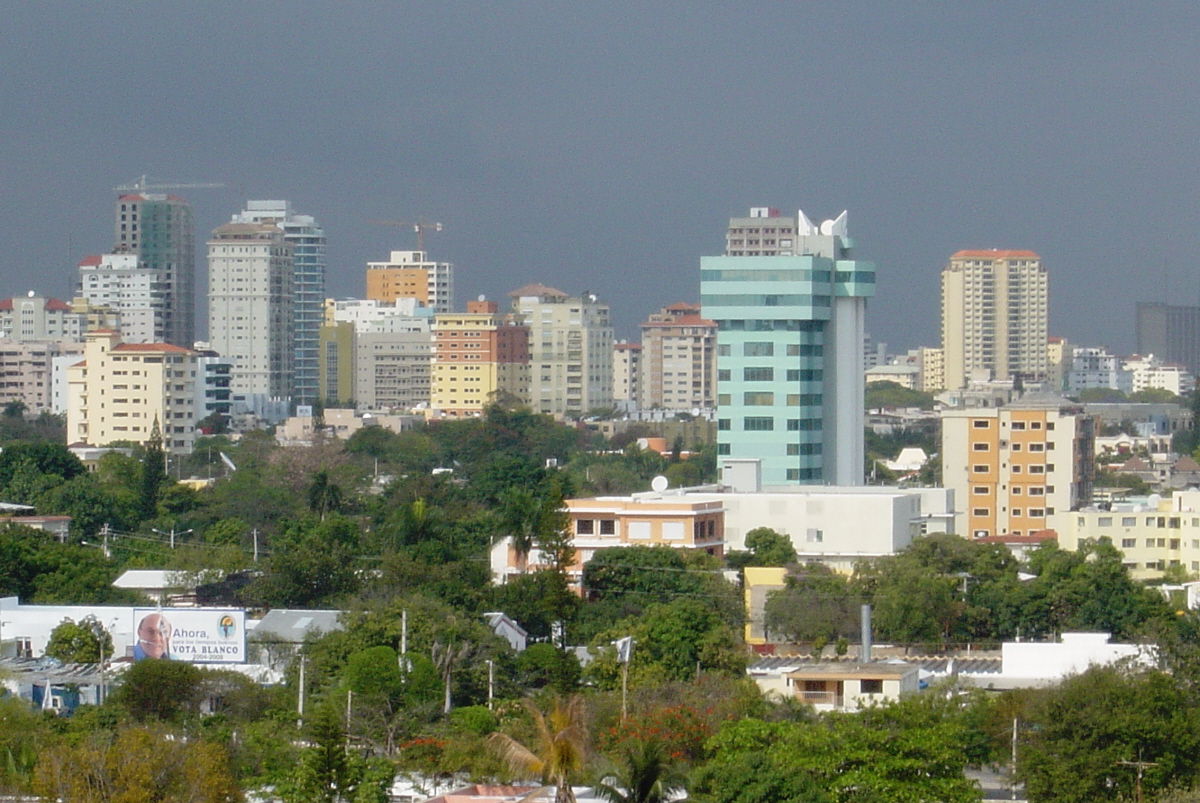
The Banks: Banreservas, Popular, BHD and the Rest
Three banks dominate Dominican finance. Financial-system assets reached RD$4.52 trillion (about US$73.1 billion) in August 2026, up 9.1 percent in a year.
The figure comes from the Superintendencia de Bancos, the banking regulator. Early-2026 figures from the regulator, published by the business paper elDinero in February 2026, rank the largest lenders by total assets as follows.
- Banreservas (Banco de Reservas de la República Dominicana), the state-owned bank: RD$1.31 trillion (about US$21.2 billion).
- Banco Popular Dominicano, the flagship of Grupo Popular, a private Dominican group: RD$947.5 billion (about US$15.3 billion).
- Banco BHD, a private Dominican bank: RD$660.6 billion (about US$10.7 billion).
- Banco Santa Cruz, a privately owned Dominican bank: RD$214.7 billion (about US$3.5 billion).
- Scotiabank, the local arm of the Canadian group: RD$181.3 billion (about US$2.9 billion).
The gap after the top three is wide. BHD alone is about three times the size of the fourth-ranked bank, so credit for most Dominican firms is decided in a handful of boardrooms.
State-Owned Companies and Public-Private Firms
Beyond Banreservas, the state controls much of the energy chain. The government took 100 percent of the Refinería Dominicana de Petróleo (Refidomsa) in August 2021, the finance ministry says.
It bought out the stake held by Venezuela’s state oil company PDVSA. The state also owns the Punta Catalina coal-fired power station and the three electricity distributors, Edesur, Edenorte and Edeeste.
Some firms are shared. EGE Haina, a power generator, is 50 percent public and 50 percent private, the company says.
Its private half went to Haina Investment Co. in 1999 for US$144.5 million, and it now reports more than US$1.05 billion in assets and 224.5 megawatts of wind and 351.5 megawatts of solar capacity.
Business Families and Private Groups
Most large Dominican companies are family-held and do not publish full accounts. The groups below describe their own ownership on their corporate websites.
- Grupo Popular calls itself the largest group of service companies in the country. It is the parent of Banco Popular, and the Grullón family remains in senior roles.
- Grupo Corripio is owned by the Corripio family and was founded by Manuel Corripio García in 1921. It has more than 30 companies in consumer goods, hardware, vehicles and media, including the Telesistema television network.
- Grupo Puntacana grew from a 1969 venture led by Dominican businessman Frank Rainieri and US investors headed by Theodore W. Kheel. It developed the Punta Cana resort area.
- Central Romana Corporation began operating in 1912 as a sugar producer and says it is the country’s largest. It also pioneered tourism and free zones around La Romana.
- Cervecería Nacional Dominicana, the main brewer, is part of Anheuser-Busch InBev, the Belgian brewer listed in New York and Brussels.
Listed Companies and the Local Bond Market
The Bolsa y Mercados de Valores de la República Dominicana (BVRD), the Santo Domingo exchange, is mainly a bond market. Its list of issuers is dominated by fixed-income borrowers rather than shares, and it is supervised by the Superintendencia del Mercado de Valores (SIMV).
The fixed-income issuers include the big banks, Banreservas, Popular and BHD, and savings associations such as APAP and the Asociación Cibao. Power companies are prominent too: Consorcio Energético Punta Cana-Macao, Dominican Power Partners, EGE Itabo, ENADOM and Haina Investment Co.
Industrial issuers include Acero Estrella and Ingeniería Estrella, the mining firm Consorcio Minero Dominicano and the fuel supplier Gulfstream Petroleum Services. For a US investor, the more practical exposure runs through foreign-listed owners such as Barrick, Newmont and AB InBev.
Free Zones: Export Factories Close to the US
Free zones are export-processing parks where firms pay little or no tax in exchange for exporting. They are regulated by the Consejo Nacional de Zonas Francas de Exportación (CNZFE), the government council for the sector.
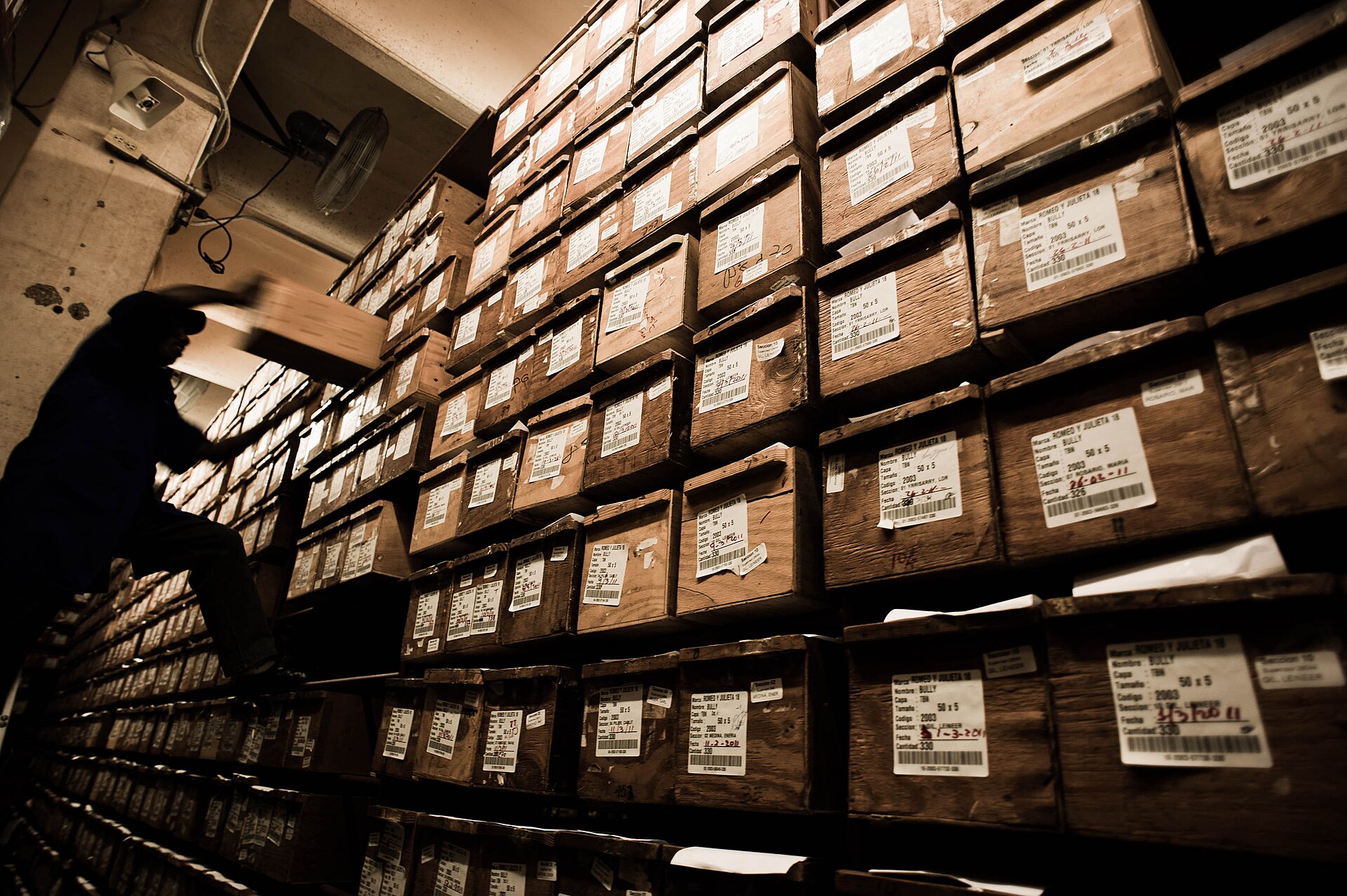
In 2025 the sector counted 858 operating companies, 200,231 direct jobs and US$8.6 billion of exports, according to the CNZFE. In January to June 2026 free-zone exports reached US$4.34 billion, up 2.7 percent, according to the BCRD.
- Medical equipment earned US$1.42 billion in the first half of 2026, up 2.6 percent and the largest single branch.
- Electrical products earned US$622.6 million, up 7.9 percent.
- Textiles and clothing earned US$399.5 million, down 6.2 percent.
- Tobacco manufactures earned US$789.4 million, up 23.0 percent. Tobacco firms are also the largest group by number, at 19.6 percent of free-zone companies.
The sector keeps adding firms. By May 2026 the council had approved 26 new free-zone companies, which plan about 1,453 jobs and investments of RD$2.01 billion (about US$32.5 million), the BCRD reports.
Santiago, the second city, hosts about four in ten free-zone companies, elDinero reported in June 2026.
Tourism and Remittances: The Dollar Engines
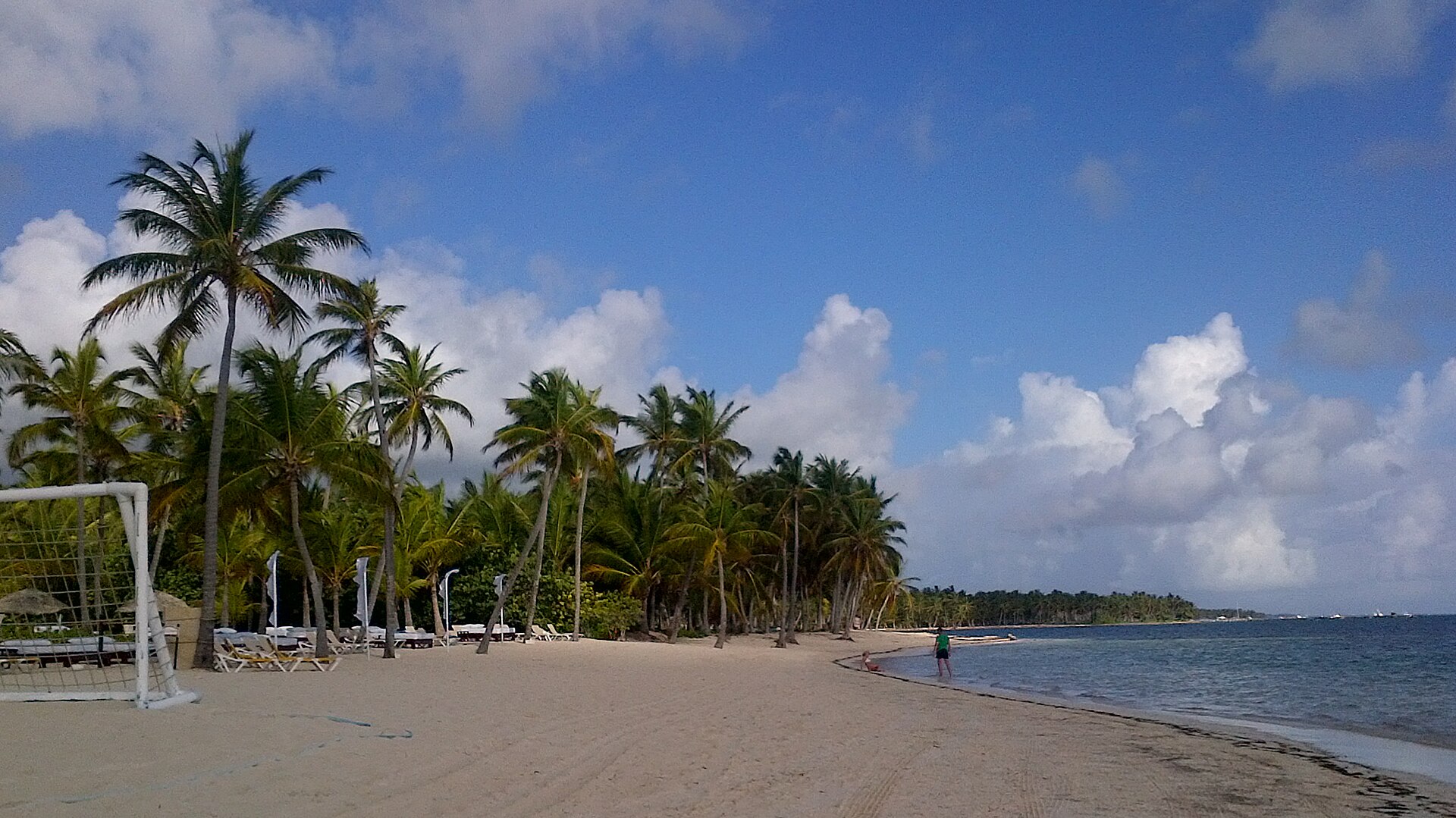
In the first half of 2026 tourism earned more foreign currency than remittances or free-zone exports. In January to June 2026 the country received 6,599,594 non-resident visitors by air and sea, including 1,636,251 cruise passengers, according to the BCRD.
Tourism income reached US$6.71 billion, up 15.2 percent.
Americans are the core market. US residents made up 1,826,646 foreign air arrivals in the first half of 2026, or 43.1 percent of the total, ahead of Canada at 18.5 percent.
Hotel occupancy averaged 81.5 percent, and 88.2 percent in Punta Cana and Bávaro.
Remittances, the money Dominicans abroad send home, form the second pillar. They passed US$11.86 billion in 2025 and US$9.49 billion in January to September 2026, up 6.5 percent, per the BCRD.
The central bank names the US labour market as a main driver of these flows.
Mining: Gold at Pueblo Viejo
Gold added more to export growth than any other product in the first half of 2026. Its exports reached US$1.59 billion in the first half, up 68.8 percent, the BCRD reports.
Higher international gold prices did much of the work. Mining value added rose 11.3 percent in the same period.
The best-known producer is Pueblo Viejo, about 100 kilometres northwest of Santo Domingo. Barrick holds 60 percent and Newmont 40 percent, through the operator Pueblo Viejo Dominicana Corporation, Barrick says.
An expansion aims to extend the mine’s life to 2040 and beyond.
The expansion needs a new tailings dam for mine waste. Environmental groups, including the US-based Earthworks, have raised concerns about its effect on nearby communities.
Ferronickel exports, once a pillar of Dominican mining, were zero in the first half of both 2025 and 2026.
What It Means for US Readers
Investors. Direct access to Dominican equities is limited, so most exposure comes through dollar bonds, local bank paper or New York-listed owners such as Barrick, Newmont and AB InBev. Planned power and battery-storage tenders are the main new opening for US companies.
Exporters and manufacturers. Free-zone plants make medical equipment, electrical goods, cigars and clothing for export, and new firms keep arriving as supply chains move closer to the US. US tariff and trade decisions feed straight into Dominican factory jobs.
Travellers and expats. The economy depends on visitors and remittances, both tied to US incomes. Prices are quoted in pesos, at about RD$61.8 per US dollar in October 2026.
Inflation ran at 5.67 percent in the year to June 2026, above the central bank’s target.
Connected Coverage
Dominican Republic Geopolitics 2026, US, China, Gulf
Dominican Republic’s Role in Latin America Explained
Dominican Remittances Rise 6.5% to US$9.49 Billion
Dominican Republic to Tender 2,500 Megawatts of Power
What Is Not Known
Full ownership of most family groups is not public, because they are private and unlisted. Bank rankings shift monthly, and the regulator’s early-2026 figures may differ from later data.
The final terms and timing of the Pueblo Viejo tailings dam and mine-life extension are not settled in public records. Full-year 2026 figures for growth, tourism and free-zone exports will only come in early 2027.
Frequently Asked Questions
How big is the Dominican Republic economy?
It produced about US$127.9 billion of output in 2025, according to the IMF, after growth of 2.1 percent. The IMF projects 3.7 percent growth for 2026, and the central bank reported 4.5 percent growth in January to June 2026.
Who runs economic policy in the Dominican Republic?
President Luis Abinader of the Modern Revolutionary Party heads the government. Magín Díaz is minister of finance and economy, and Héctor Valdez Albizu is governor of the central bank, confirmed again in August 2026.
What are the largest banks in the Dominican Republic?
The state-owned Banreservas leads with about US$21.2 billion in assets, followed by Banco Popular Dominicano with about US$15.3 billion and Banco BHD with about US$10.7 billion, based on early-2026 regulator figures.
Which companies does the Dominican state own?
The state owns Banreservas, the Refidomsa oil refinery since August 2021, the Punta Catalina power station and the electricity distributors Edesur, Edenorte and Edeeste. It also holds 50 percent of the power generator EGE Haina.
Can US investors buy Dominican stocks?
Direct options are limited, because the Santo Domingo exchange is mainly a bond market. Most US exposure comes through dollar bonds or New York-listed owners such as Barrick, Newmont and AB InBev.
What earns the Dominican Republic its dollars?
Tourism, remittances, free-zone exports and gold. In January to June 2026 tourism brought in US$6.71 billion, free zones exported US$4.34 billion and gold exports reached US$1.59 billion. Remittances totalled US$9.49 billion from January to September 2026.
Sources: Banco Central de la República Dominicana, Informe de la economía dominicana enero-junio 2026, https://cdn.bancentral.gov.do/documents/publicaciones-economicas/informe-de-la-economia-dominicana/documents/infeco_definitivo2026-06.pdf; BCRD exchange rate notice, 9 October 2026, https://cdn.bancentral.gov.do/documents/estadisticas/mercado-cambiario/documents/tasaus_mc.pdf; IMF World Economic Outlook data, Dominican Republic, https://www.imf.org/external/datamapper/profile/DOM; Superintendencia de Bancos, https://www.sb.gob.do/; Consejo Nacional de Zonas Francas de Exportación, https://cnzfe.gob.do/; Bolsa y Mercados de Valores de la República Dominicana, issuers, https://bvrd.com.do/nuestros-emisores/; Barrick, Pueblo Viejo, https://www.barrick.com/English/operations/pueblo-viejo/default.aspx; EGE Haina, https://www.egehaina.com/Nosotros; Grupo Popular, https://www.grupopopular.com/; Grupo Corripio, https://www.grupocorripio.com/; Grupo Puntacana, https://www.grupopuntacana.com/; Central Romana Corporation, https://www.centralromana.com.do/; elDinero, top 10 financial entities by assets, https://eldinero.com.do/355616/top-10-de-entidades-financieras-en-rd-con-mayor-total-de-activos/ (all accessed 12 October 2026).
Editorial responsibility: Matthias Camenzind, Editor-in-Chief · Editorial standards · Report an error
Expat Guide to Dominican Republic
What The Rio Times publishes for foreigners who live in or move to Dominican Republic.
Start here
- Best Places to Live in the Dominican Republic 2026
- Cost of Living Santo Domingo 2026 — Rent and the Power Question
- Healthcare in the Dominican Republic 2026: What Foreigners Can Actually Get
- Safety in the Dominican Republic 2026: The Real Risks for Foreigners
City guides
Coming up in Dominican Republic
- Licey vs Escogido Opens LIDOM in Santo Domingo on 16 October 16 Oct
- Soy Luna Plays Santo Domingo on 31 October 2026 31 Oct
- Eladio Carrion in Santiago, Dominican Republic, 31 October 31 Oct
- Keinemusik's &ME Plays Santo Domingo on 31 October 31 Oct
Understand Dominican Republic