Why Dangote Is Offering East Africa a Stake in His Next Refinery
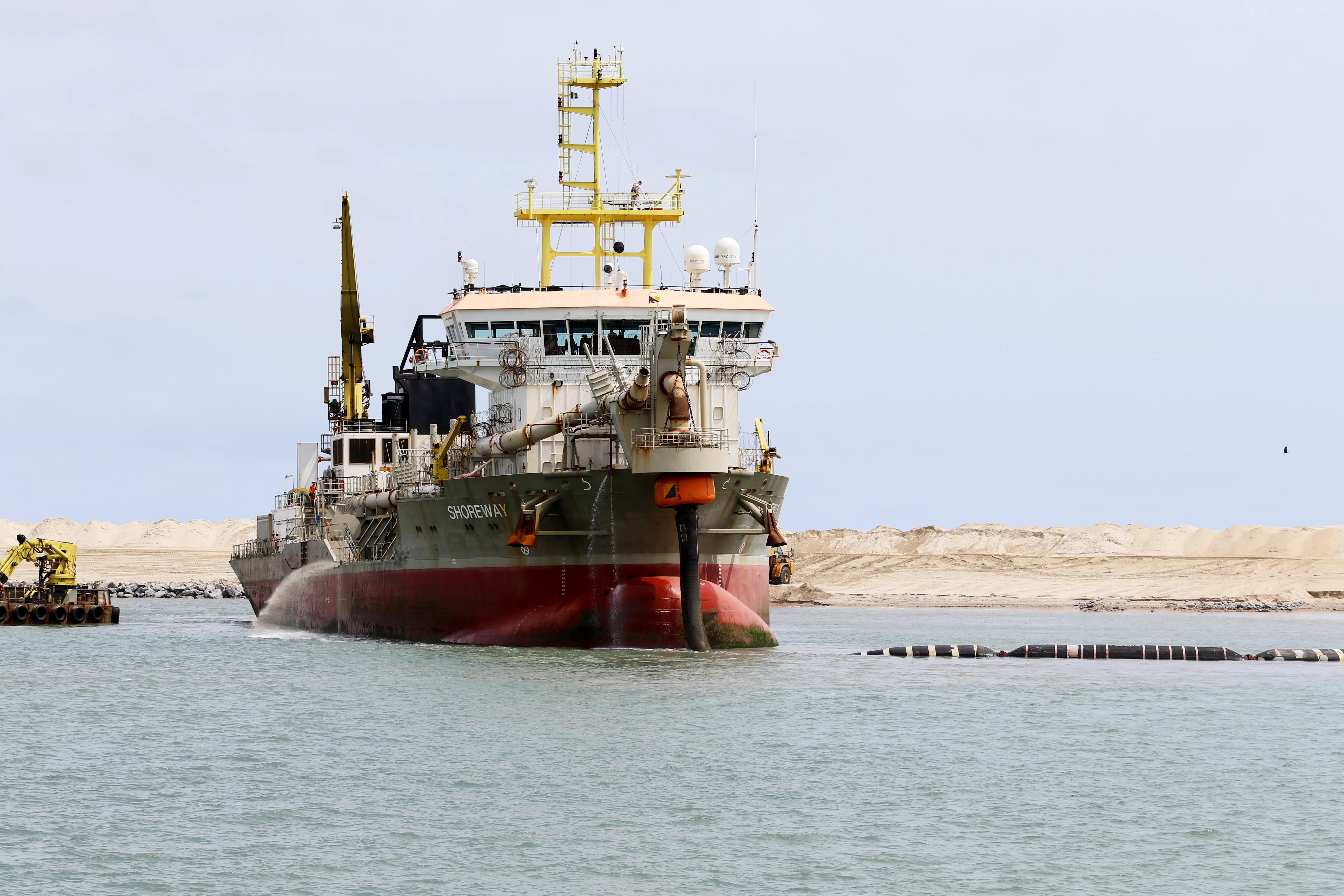
Energy · East Africa
—The offer. Dangote Group has offered Kenya, Ethiopia and Rwanda a combined 30% stake in its planned refinery at Lamu on Kenya’s coast.
—The price. The refinery alone is costed at about US$16 billion, with port and petrochemical works taking the whole project near US$20 billion.
—Kenya’s share. Nairobi is weighing a 10% stake worth about US$500 million; the full regional package totals roughly US$1.5 billion.
—The scale. At 700,000 barrels a day, Lamu would exceed East Africa’s entire refined-fuel demand of about 450,000 barrels a day.
—The template. Dangote’s first refinery near Lagos, a US$20 billion plant, already turned Nigeria from a fuel importer into an exporter.
—The calendar. Groundbreaking is targeted for September or October 2026, with construction expected to take three to five years.
Aliko Dangote built Africa’s biggest refinery with his own money and his own risk. For the second one, on Kenya’s Lamu Island, he wants the neighbours to own a third of it — and the offer says as much about African statecraft as it does about fuel.
A second giant, this time on the Indian Ocean
The planned site is Lamu, a slow, old Swahili island town that happens to sit beside one of the deepest natural harbours on Africa’s east coast. Kenya confirmed the location in July, ahead of Mombasa and Tanzania’s Tanga.
Depth matters. Lamu can receive fully loaded crude tankers that smaller ports cannot, and it anchors the LAPSSET corridor, the long-planned transport spine toward South Sudan and Ethiopia.
The plant is designed as a near-copy of Dangote’s Lagos refinery, rated at 700,000 barrels a day. That is more than East Africa consumes, so the surplus is aimed at Uganda, South Sudan, Rwanda, Burundi and eastern Congo.
Kenya’s choice of Lamu was confirmed in July after months of speculation that the project might land in Tanzania instead. Winning it was a diplomatic prize in itself.
Uganda is the hesitating neighbour. It has pursued a refinery of its own for years, and Kenyan officials describe its position on the Lamu stake as fifty-fifty.
Why sell a third of it to governments
Refineries are among the most political assets a country can host. Fuel shortages topple ministers, so a private refinery that crosses borders needs governments inside the tent, not outside it.
A 30% regional stake does three jobs for Dangote at once. It brings in roughly US$1.5 billion of equity, it binds the biggest customer governments to the project’s success, and it makes expropriation or obstruction close to unthinkable.
Kenya’s chief economic adviser, David Ndii, who disclosed the offer at a Nairobi capital markets forum, added the revealing detail: if some governments do not take up their allocations, Dangote will backstop them.
There is a raw-material logic too. The region’s producers — South Sudan, Uganda and Kenya itself — could supply more than 600,000 barrels a day of crude between them, and a refinery they partly own is the natural buyer.
What Lagos taught everyone
The reason the offer is taken seriously sits on the Atlantic, opposite the continent. The Dangote refinery near Lagos cost about US$20 billion, opened after years of delay, and now produces 650,000 barrels a day.
It has already redrawn trade flows. Nigeria, for decades a crude exporter that imported its own petrol, now ships refined fuel abroad, and industry trackers credit the plant with a surge in Nigerian fuel exports to Europe.
Lagos also taught the hard lessons. Costs ballooned, schedules slipped, and the project survived on the founder’s balance sheet.
Dangote says the Lamu estimate has already been trimmed from US$17 billion to about US$16 billion on those lessons, helped by lower financing costs from a faster schedule.
A regional ownership structure is the next lesson applied. Lagos is a national champion; Lamu is being engineered, from the first share certificate, as a continental one.
The questions East Africa has to answer
For Kenya, a US$500 million cheque is not trivial. The state is juggling an IMF programme and a restless electorate, and Parliament will want to know what the stake earns and what it guarantees.
There is also a dependency question in reverse. A region that imports nearly all its fuel today would, by the early 2030s, lean on one privately owned plant for most of it.
Governance will decide whether that is a triumph or a vulnerability. Pricing rules, offtake agreements and the rights of minority state shareholders are all still to be written.
For Dangote himself, the stake sale is an insurance policy on the person. A project owned partly by three treasuries does not die with a change of president — or of proprietor.
What is already clear is the direction of travel. Africa’s biggest industrialist is no longer building national projects; he is building regional ones, and he wants governments to pay for the privilege of belonging to them.
Frequently Asked Questions
What is Dangote offering East African governments?
Dangote Group has offered Kenya, Ethiopia and Rwanda a combined 30% equity stake in its planned oil refinery at Lamu, Kenya. Kenya is weighing a 10% share worth about US$500 million, and the full regional package totals roughly US$1.5 billion.
How big would the Lamu refinery be?
The plant is designed to process 700,000 barrels of crude oil a day, slightly more than Dangote’s 650,000-barrel Lagos refinery. That exceeds East Africa’s current refined-fuel demand of about 450,000 barrels a day, leaving surplus for export across the region.
Why would Dangote sell a stake in his own refinery?
The offer raises about US$1.5 billion in equity, but its real value is political. Government shareholders become committed customers and protectors of a cross-border fuel business that depends on their goodwill.
When would the Lamu refinery be built?
Groundbreaking is targeted for September or October 2026, subject to regulatory approvals. Construction is expected to take three to five years, with Dangote saying it could be completed in under four.
Connected Coverage
Africa Intelligence Brief — Friday, August 28, 2026
This article was produced by The Rio Times’ automated newsroom system. How we use AI · Report an error · Editorial responsibility: Matthias Camenzind, Editor-in-Chief