IBOV 171,906.72 ▲ 0.51% IPSA 11,537.98 ▲ 1.76% IPC MEX 66,105.23 ▲ 0.57% MERVAL 2,995,129 ▲ 2.81% COLCAP 2,510.72 ▲ 2.09% BVL PERÚ 60,222.25 ▼ 0.17% USD/BRL5.16▲ 0.40% USD/MXN16.95▼ 0.02% USD/CLP911.58▼ 0.37% USD/COP3,055▲ 0.40% USD/PEN3.35▼ 0.01% USD/ARS1,509▲ 0.63% USD/UYU40.18▼ 0.03% USD/PYG5,989▼ 0.11% USD/BOB11.44▲ 0.09% USD/DOP58.34▲ 0.64% USD/CRC446.05▼ 0.89% USD/GTQ7.62▼ 0.04% USD/HNL26.82▲ 0.02% USD/NIO36.62▲ 0.58% USD/VES783.11▲ 0.53% USD/PAB1.00— 0.00% USD/BZD2.00— 0.00% USD/JMD 157.28 — 0.00% USD/TTD6.72▲ 0.25% EUR/BRL6.01▲ 0.29% BRENT 88.88 ▼ 0.03% WTI 83.11 ▼ 0.11% IRON ORE 161.91 — — COPPER 6.61 ▲ 0.03% GOLD 4,461 ▲ 1.78% SILVER 65.59 ▲ 1.26% SOY 1,184 ▲ 3.20% CORN 480.50 ▲ 10.02% WHEAT 655.00 ▲ 3.93% COFFEE 317.25 ▼ 5.51% SUGAR 16.43 ▼ 1.79% ORANGE JUICE 138.55 ▼ 0.47% COTTON 85.03 ▲ 2.33% COCOA 5,719 ▲ 3.18% BEEF 223.60 ▼ 3.93% CATTLE 339.10 ▼ 3.16% LITHIUM 75.20 ▲ 1.47% PETR4 41.64 ▼ 0.05% VALE3 72.97 ▲ 0.83% ITUB4 38.60 ▼ 1.03% BBDC4 16.85 ▲ 0.36% ABEV3 14.89 ▼ 0.80% BBAS3 19.37 ▲ 0.47% B3SA3 14.26 ▼ 0.21% WEGE3 47.59 ▲ 0.49% PRIO3 59.14 ▼ 0.19% SUZB3 41.33 ▲ 2.35% RENT3 34.68 ▼ 0.09% AZZA3 15.89 ▼ 2.63% CSAN3 3.22 ▼ 1.83% RAIZ4 0.25 — 0.00% PCAR3 2.75 ▼ 0.36% GMAT3 3.65 ▼ 1.08% PSSA3 48.13 ▼ 0.54% CVCB3 1.33 ▼ 2.92% POSI3 3.36 ▲ 2.44% SLCE3 13.34 ▲ 0.30% NATU3 8.14 ▼ 0.73% IBOV 171,906.72 ▲ 0.51% IPSA 11,537.98 ▲ 1.76% IPC MEX 66,105.23 ▲ 0.57% MERVAL 2,995,129 ▲ 2.81% COLCAP 2,510.72 ▲ 2.09% BVL PERÚ 60,222.25 ▼ 0.17% USD/BRL 5.16 ▲ 0.01% USD/MXN 17.06 ▼ 0.24% USD/CLP 913.98 ▲ 0.04% USD/COP 3,140 ▲ 0.03% USD/PEN 3.36 ▼ 0.66% USD/ARS 1,493 ▲ 0.10% USD/UYU 40.27 ▲ 1.24% USD/PYG 5,939 ▲ 1.68% USD/BOB 11.64 ▼ 0.76% USD/DOP 58.34 ▲ 1.25% USD/CRC 445.92 ▲ 0.89% USD/GTQ 7.62 ▲ 2.21% USD/HNL 26.79 ▲ 1.57% USD/NIO 36.62 ▲ 0.69% USD/VES 762.44 ▼ 0.13% USD/PAB 1.00 — 0.00% USD/BZD 2.00 — 0.00% USD/JMD 157.28 — 0.00% USD/TTD 6.70 ▲ 0.61% EUR/BRL 5.95 ▲ 1.01% BRENT 88.88 ▼ 0.03% WTI 83.11 ▼ 0.11% IRON ORE 161.91 — — COPPER 6.61 ▲ 0.03% GOLD 4,461 ▲ 1.78% SILVER 65.59 ▲ 1.26% SOY 1,184 ▲ 3.20% CORN 480.50 ▲ 10.02% WHEAT 655.00 ▲ 3.93% COFFEE 317.25 ▼ 5.51% SUGAR 16.43 ▼ 1.79% ORANGE JUICE 138.55 ▼ 0.47% COTTON 85.03 ▲ 2.33% COCOA 5,719 ▲ 3.18% BEEF 223.60 ▼ 3.93% CATTLE 339.10 ▼ 3.16% LITHIUM 75.20 ▲ 1.47% PETR4 41.64 ▼ 0.05% VALE3 72.97 ▲ 0.83% ITUB4 38.60 ▼ 1.03% BBDC4 16.85 ▲ 0.36% ABEV3 14.89 ▼ 0.80% BBAS3 19.37 ▲ 0.47% B3SA3 14.26 ▼ 0.21% WEGE3 47.59 ▲ 0.49% PRIO3 59.14 ▼ 0.19% SUZB3 41.33 ▲ 2.35% RENT3 34.68 ▼ 0.09% AZZA3 15.89 ▼ 2.63% CSAN3 3.22 ▼ 1.83% RAIZ4 0.25 — 0.00% PCAR3 2.75 ▼ 0.36% GMAT3 3.65 ▼ 1.08% PSSA3 48.13 ▼ 0.54% CVCB3 1.33 ▼ 2.92% POSI3 3.36 ▲ 2.44% SLCE3 13.34 ▲ 0.30% NATU3 8.14 ▼ 0.73%
since 2009
Tuesday, August 25, 2026

Cuba Battles 20-Hour Blackouts, Shuts Schools and Industries

By · October 18, 2024 · 2 min read

Daily Brief

The morning intel from across Latin America. Free.

By subscribing you agree to our privacy policy. We never share your email.

Cuba has entered a critical phase in its energy crisis, prompting drastic steps to address power outages lasting up to 20 hours daily. Schools and non-essential industries have closed their doors. Public employees have been sent home early. The state plans to increase electricity rates for private businesses.

The situation reached a tipping point on October 17, 2024. Blackouts affected up to 51% of the country during peak demand hours. Many provinces lost power entirely for extended periods. Numerous areas outside Havana now receive less than 6 hours of electricity per day.

Cuba’s state-owned electric company, Unión Eléctrica, reported a significant generation deficit. Only 1,692 megawatts of capacity were available to meet a demand of 3,300 MW. This shortfall of over 1,600 MW has led to widespread disruptions across the island nation.
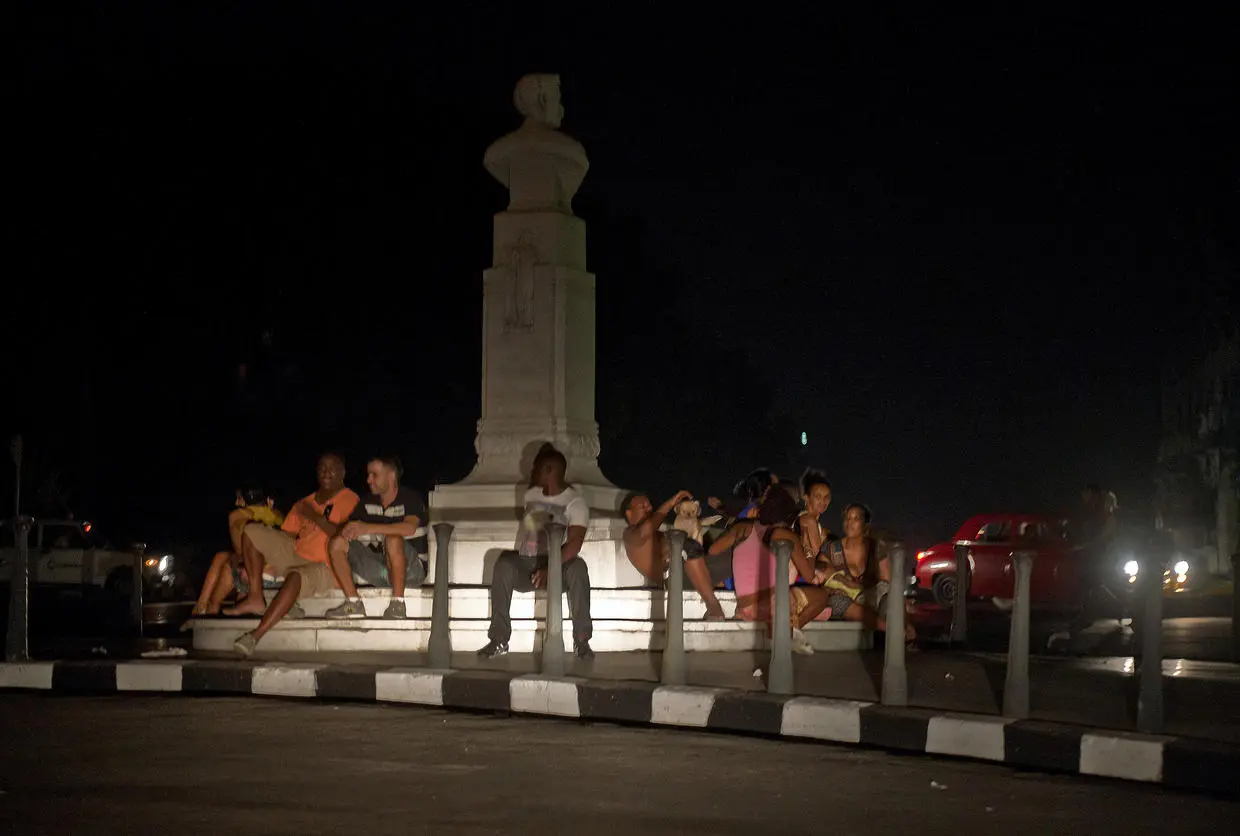
Cuba Battles 20-Hour Blackouts, Shuts Schools and Industries. (Photo Internet reproduction)
One-stop reference
Company Intelligence
Every listed company in Latin America — financials, ownership and structure for 1,450+ companies across 26 exchanges, in one place.
Browse the directory →
RT
Ask Rio Times
17 years of Latin America reporting, on demand.
Open the full Ask Rio Times →

Several factors have contributed to the worsening energy crisis. Cuba’s eight thermoelectric power plants are outdated, with over 40 years of use. Chronic lack of investment and maintenance has taken its toll. The country faces a shortage of foreign currency to import sufficient fuel for its power plants.

Increased electricity consumption has exacerbated the problem. Over 100,000 air conditioning units were imported in 2024 alone. Recent weather events have also played a role. Strong winds and coastal flooding following Hurricane Milton hampered fuel distribution to power plants.

The Cuban government has responded with an emergency plan. It prioritizes electricity supply to residential areas. Efforts are underway to maximize domestic oil production and increase renewable energy use. Officials have stated that improvements may only be seen in the medium term.

Cuba Battles 20-Hour Blackouts, Shuts Schools and Industries

Daily life for Cubans has been severely disrupted by the prolonged blackouts. Food spoilage due to lack of refrigeration is common. Many struggle to cook meals and access water. Work and economic activities have been interrupted. Reports of protests have emerged in some provinces.

Cuba has faced energy challenges for years, but the current crisis is particularly severe. The country experienced significant blackouts in 2022, with some improvement in 2023. U.S. sanctions and reduced subsidized oil imports from Venezuela since 2016 have impacted the energy sector.

The ongoing energy crisis continues to exacerbate Cuba’s economic difficulties. Food and medicine shortages persist. An unprecedented exodus from the island has occurred in recent years. As Cuba grapples with these challenges, the path to a stable energy future remains uncertain.

This article was produced by The Rio Times’ automated newsroom system. How we use AI · Report an error

Read More from The Rio Times

The Rio Times · Power Map
See who really holds power in Latin America
Click to open the Power Map

Rotate for Best Experience

This report is optimized for landscape viewing. Rotate your phone for the full experience.