Cuba: Bankrupt Regime Trades Prisoners for Survival
Cuba’s government faces growing criticism for leveraging prisoner releases to address its worsening economic and political crises.
On January 14, 2025, outgoing U.S. President Joe Biden removed Cuba from the U.S. list of state sponsors of terrorism, citing a Vatican-mediated agreement under which Havana pledged to release 553 prisoners.
However, human rights groups argue this move was a calculated attempt by Cuba’s leadership to gain financial relief and international legitimacy rather than a genuine reform effort.
The Cuban regime, led by Miguel Díaz-Canel, presented the prisoner release as a humanitarian gesture tied to the Vatican’s Ordinary Jubilee of 2025. Yet, critics highlight that only a fraction of those released were political prisoners.
High-profile detainees, such as German citizen Luis Frometa—sentenced to 15 years for filming peaceful protests in 2021—remain imprisoned. Activists warn that many freed individuals face re-arrest if they engage in dissent or activism.
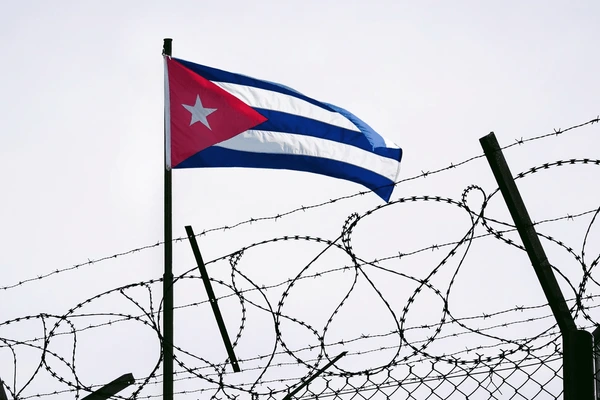
Cuba’s Economic Collapse
Cuba’s economy is in freefall. Tourism, historically a vital source of foreign currency, has collapsed. In 2024, the island saw just 2.2 million international visitors. This represents a 9.6% drop from the previous year and the lowest figure in nearly two decades, excluding pandemic years.
Revenues from tourism have plunged by over 60% since 2019, with airlines like Condor and Edelweiss halting direct flights to Cuba. Once-bustling destinations like Varadero now sit largely abandoned. This reflects the broader economic decline, which is marked by food shortages, power outages, and fuel scarcity.
While Havana blames U.S. sanctions for its struggles, critics point to decades of mismanagement by Cuba’s ruling elite as the root cause. Over one million Cubans have fled since 2020, leaving behind a population grappling with worsening living conditions and intensified repression.
Although Biden’s delisting decision briefly raised hopes for economic relief, his successor Donald Trump reversed it upon taking office. By then, only 167 prisoners had been freed, halting further releases and deepening Cuba’s isolation amid mounting domestic unrest.
More: Latin America news in English, every day from The Rio Times.
This article was produced by The Rio Times’ automated newsroom system. How we use AI · Report an error · Editorial responsibility: Matthias Camenzind, Editor-in-Chief