Congo-Brazzaville Expects Its Debt to Fall to 86.2% of GDP in 2027
Key Facts
- What happened. The government’s 2026 Economic Outlook projects public debt of CFAF 9,608 billion (about US$16.9 billion) in 2027, with the debt-to-GDP ratio falling from 89.9% to 86.2% as nominal GDP grows faster than the debt.
- How big. Even at 86.2%, the ratio stays far above the 70% ceiling of the CEMAC currency bloc. Debt-related costs jump from CFAF 238 billion (about US$419 million) in 2026 to CFAF 349 billion (about US$615 million) in 2027.
- The catch. The improvement is arithmetic, not repayment: debt still rises in cash terms, and the IMF classified Congo as being in debt distress in February 2026.
- Who it hits. Congolese taxpayers, whose state will spend a growing share of revenue on creditors, and investors in CEMAC, where Congo’s debt is a regional stability question.
- What comes next. The government promises budget surpluses for 2027–2029. The IMF sent missions to Congo, Gabon and Cameroon this month and wants tighter debt management and more concessional borrowing.
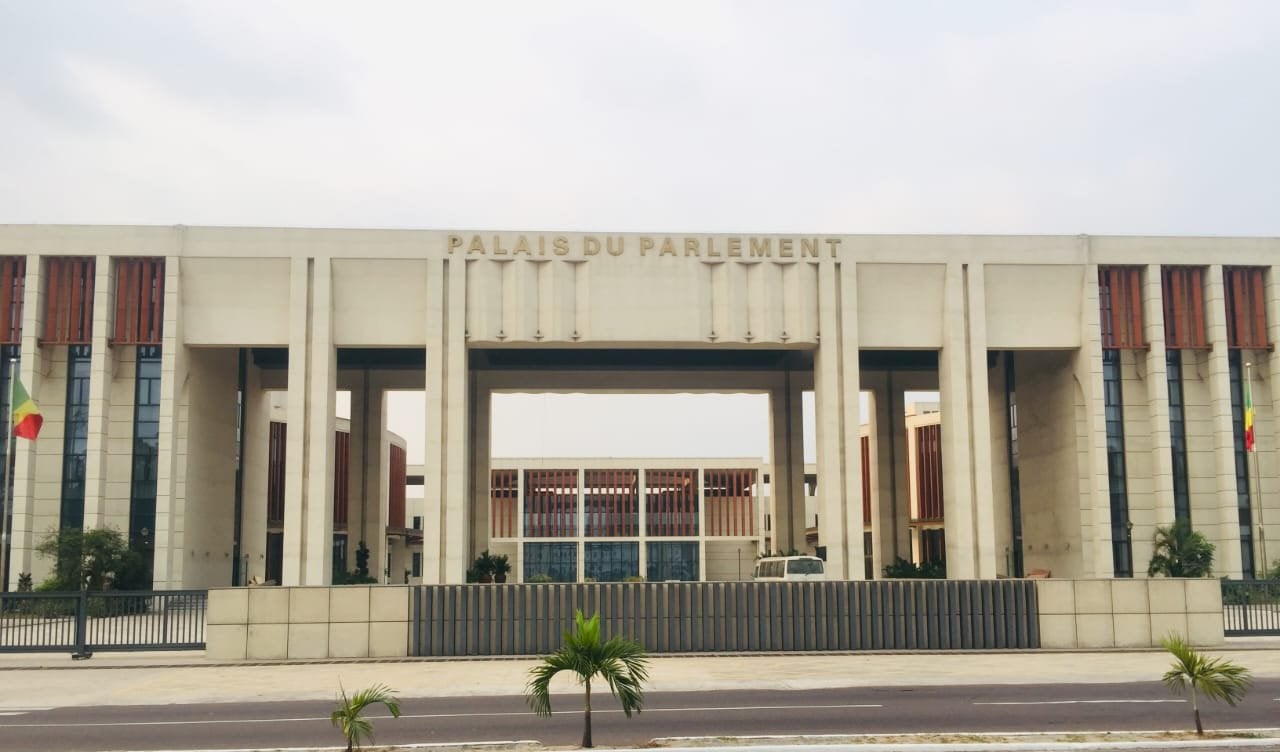
The Republic of Congo’s own outlook says the debt mountain keeps growing in cash terms and shrinks only in relation to the economy. The IMF calls the country in debt distress.
The Republic of Congo expects its public debt to edge up to CFAF 9,608 billion (about US$16.9 billion) in 2027. Over the same period the debt-to-GDP ratio falls from 89.9% to 86.2%. That is not because the debt shrinks, but because the economy grows faster. The figures come from the government’s 2026 Congolese Economic Outlook report, published on 10 September 2026.
Growing out of debt, not paying it down
The projection works like this. Nominal GDP is expected to grow from CFAF 10,609 billion (about US$18.57 billion) in 2026 to CFAF 11,146 billion (about US$19.51 billion) in 2027. The debt stock rises only slightly over the same period, from CFAF 9,538 billion (about US$16.69 billion) to CFAF 9,608 billion (about US$16.81 billion). Debt measured against the size of the economy therefore falls from 89.9% to 86.2%. The ratio has already come down from 97.5% in 2024 to 92.4% in 2025. It remains well above the 70% ceiling that the Central African Economic and Monetary Community sets for its members.
The structure of the debt shifts too. External debt holds roughly steady at 41.5% of GDP, while domestic debt falls from 48.3% to 44.7% of GDP. The external debt service burden — what the state pays its foreign creditors each year — is projected to peak at 23.2% of government revenue in 2026 and ease to 16.3% in 2027.
The IMF is back in the region
The report lands as the International Monetary Fund returns its attention to Central Africa’s debt. In September the Fund sent missions to Congo, Gabon and Cameroon, concerned about debt levels and the risk they pose to the monetary stability of the shared CFA franc zone, according to Africa Intelligence. In February 2026 the IMF formally classified Congo as being in debt distress — the category for countries that cannot meet their obligations without exceptional support.
The Fund’s recommendations are consistent. It wants Congo to strengthen debt management, stop accumulating new arrears, and plan repayments and issuance better. It also wants the state to publish more about its borrowing and to rely more on concessional financing instead of expensive market debt. That means loans at below-market rates from institutions like the World Bank.
What this means for expats and investors
For foreigners working in Brazzaville or Pointe-Noire, the practical signal is continuity: the state is not expected to default, but it will be short of cash for everything else. High debt service crowds out public services and delays state payments to suppliers — a familiar complaint of companies working with Congolese ministries. For investors, the key variable is the oil price: the growth that makes the ratio fall depends heavily on it.
What Is Not Known
The outlook does not publish the oil price assumption behind its growth figures, so the projection’s sensitivity cannot be tested from outside. The terms of the new borrowing planned for 2027, and how much of it will be concessional, are not disclosed. It is also unclear whether the September IMF missions will lead to a new formal programme with Brazzaville, and on what conditions.
Congo has projected falling debt ratios before and missed them when oil prices turned. The direction in this report is plausible; the discipline it requires — sustained surpluses through 2029 — is the part that history treats with doubt.
Frequently Asked Questions
How much debt does Congo-Brazzaville have?
The government projects public debt of CFAF 9,608 billion (about US$16.81 billion), about US$16.9 billion, for 2027 — 86.2% of GDP, down from 89.9% in 2026 but still above the CEMAC ceiling of 70%.
Why will Congo-Brazzaville’s debt ratio fall in 2027?
Mainly because nominal GDP is projected to grow faster than the debt. The debt itself still rises slightly in cash terms, so the improvement is relative, not a repayment.
Is Congo-Brazzaville in debt distress?
Yes. The IMF classified the Republic of Congo as being in debt distress in February 2026. The Fund recommends tighter debt management, no new arrears and more concessional borrowing.
Connected Coverage
Sources
Ecofin Agency — Congo Expects Lower Debt Ratio in 2027 Despite Higher Borrowing · Africa Intelligence — From Brazzaville to Yaoundé, IMF wants to speed up signing of new programmes
This article was produced by The Rio Times’ automated newsroom system. How we use AI · Report an error
LatAm Markets: Live Signals → — real-time movers, turnover leaders and FX across Latin America.
Read More from The Rio Times