After the Earthquake, Colombia Looks to Tourism to Rebuild — What Travelers Should Know
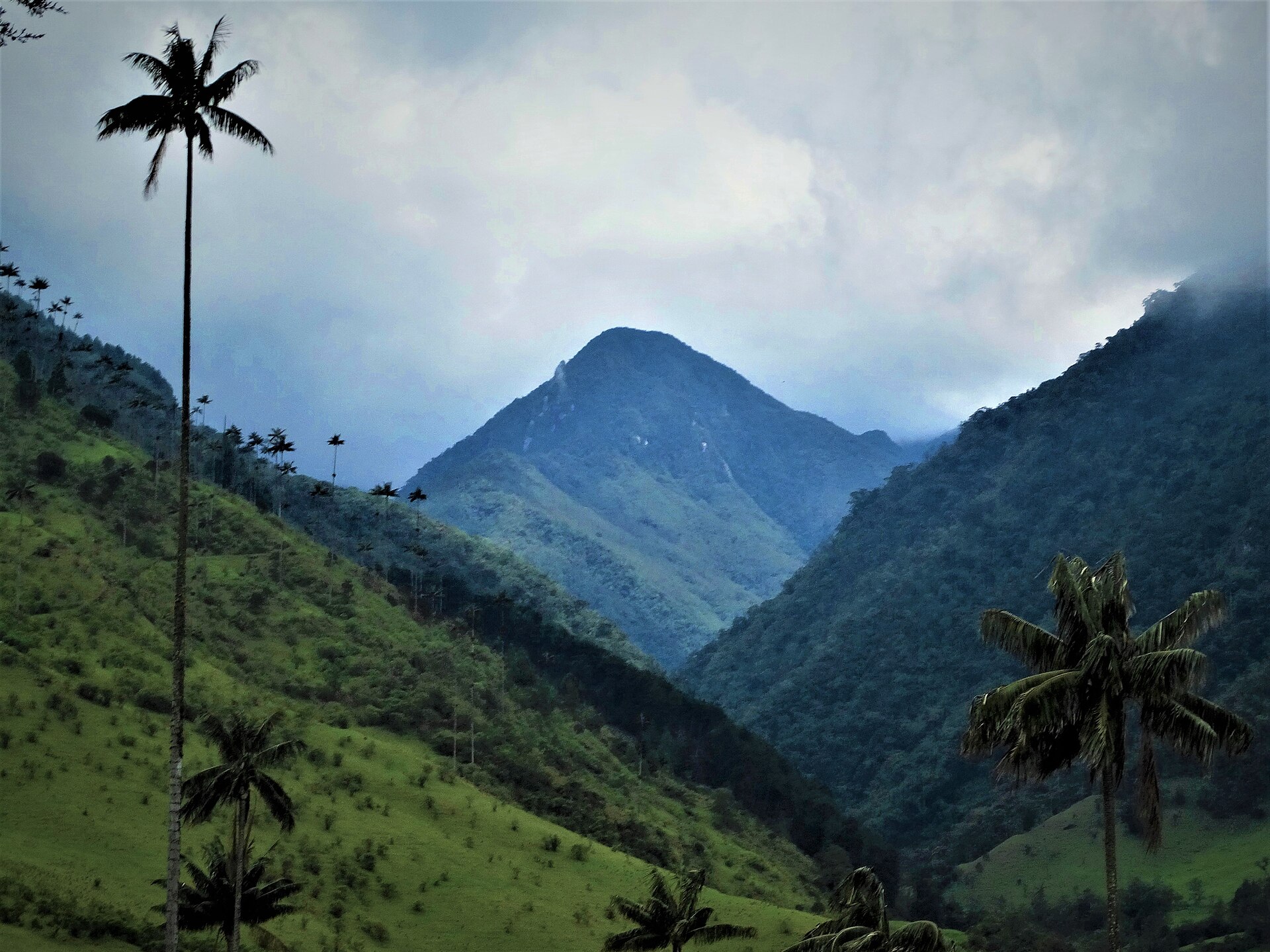
Two weeks after a magnitude-7.4 earthquake struck western Colombia on August 10 — killing 15 in Cali and devastating towns like Quimbaya in Quindío — the country is turning to one of its strongest industries to rebuild: tourism in the Coffee Region.
The numbers from August 10 are still settling: a magnitude-7.4 earthquake hit western Colombia in the morning, left 15 dead in Cali, partially collapsed a tower of Manizales’s cathedral, and hit hardest in Quimbaya, Quindío, where some 450 homes were destroyed and more than 800 families affected. The recovery conversation has now turned to the industry the region knows best.
Key Facts
- The quake. Magnitude 7.4, morning of August 10, 2026, centered in western Colombia.
- Cali. 15 deaths reported in the country’s third-largest city.
- Quindío. Quimbaya was the hardest-hit town: around 450 homes destroyed, roughly 1,000 people affected, more than 800 families impacted.
- Manizales. The cathedral’s tower partially collapsed; damage also reported in Chocó.
- The response. Under President Abelardo de la Espriella, recovery plans lean on tourism — especially in the Eje Cafetero, Colombia’s coffee-growing heartland.
What Happened on August 10
The magnitude-7.4 earthquake struck western Colombia in the morning of August 10, shaking a corridor from the Pacific department of Chocó through the Andean coffee belt to the Cauca valley.
Cali recorded 15 deaths; in Manizales, part of the cathedral’s tower came down; and in Quimbaya, a town in Quindío at the center of coffee-country tourism, some 450 homes were destroyed and more than 800 families left affected.
Why Tourism Is Part of the Answer
The Eje Cafetero — the Coffee Triangle of Quindío, Risaralda and Caldas — is Colombia’s most tourism-dependent rural economy: finca hotels, coffee tours and the Cocora Valley’s wax palms draw a large share of the country’s domestic and international leisure travel.
Colombian business media, including Forbes Colombia, have framed the argument bluntly: the fastest way to pump money back into towns like Quimbaya is for travelers to keep coming — and to come back.
What This Means If You Live in Colombia
For expats, the coffee axis is the country’s signature weekend region — Salento, Filandia, the Cocora Valley, coffee-farm stays — and the coming months are when a visit carries weight beyond leisure.
Travelers should expect some damaged infrastructure in the hardest-hit towns, but the region’s main tourist circuits, from Salento to the thermal baths of Santa Rosa, remain the priority of local recovery precisely because they are the local economy.
The Broader Picture
Colombia has used tourism as a recovery instrument before — after the peace process opened formerly closed regions, the sector became the country’s leading services exporter.
The earthquake response under President Abelardo de la Espriella is leaning on that playbook: rebuild the towns, but keep the visitors flowing so the rebuilding has an economy to stand on.
How to Help by Traveling
Book local: family-run fincas, community guides and town restaurants are where tourism spending actually lands in Quindío and the wider coffee axis.
Follow official guidance on which areas and roads are cleared for travel; the tourism ministry and departmental authorities publish updated information as assessments progress.
Frequently Asked Questions
Was there an earthquake in Colombia in August 2026?
Yes. A magnitude-7.4 earthquake struck western Colombia on the morning of August 10, 2026. Cali reported 15 deaths; Quimbaya in Quindío was hardest hit, with around 450 homes destroyed, and Manizales’s cathedral tower partially collapsed.
Is it safe to travel to Colombia’s Coffee Region now?
The Coffee Region’s main tourist areas are central to the recovery plan, and authorities are updating travel guidance as damage assessments progress. Check official advisories for specific towns and roads, and book with local operators.
Why is tourism important to Colombia’s earthquake recovery?
The Eje Cafetero is Colombia’s most tourism-dependent rural economy. Continued travel to the region channels money directly into affected communities like Quimbaya, making tourism spending a practical recovery tool.
Connected Coverage
Colombia’s coffee axis is the country’s signature trip — we keep tracking access, recovery and what’s open.
Sources: Forbes Colombia; Infobae; Unidad Nacional de Gestión del Riesgo.
This article was produced by The Rio Times’ automated newsroom system. How we use AI · Report an error · Editorial responsibility: Matthias Camenzind, Editor-in-Chief
Expat Guide to Colombia
What The Rio Times publishes for foreigners who live in or move to Colombia.
Start here
- Colombia Rent Increase Limit Is 5.10% in 2026
- Bancolombia Explained, Colombia's Largest Bank in 2026
- Cost of Living in Colombia for Expats in 2026: Rent, Transport and Health in Five Cities
- How to Stay Safe in Colombia in 2026: Advisories, Dating-App Risks and Regions to Avoid
City guides
Medellín, Bogotá, Cartagena, Cali
Coming up in Colombia
- Colombia Holiday Weekends: 12 October, 2 and 16 November 12 Oct
- Altavoz Festival Medellín Brings 59 Free Acts to Colombia, 10–12 October 12 Oct
- Berlin Philharmonic Bogotá Debut: First Colombia Concerts on 14 and 15 October 13 Oct
- Bad Gyal Bogotá Concert Brings Más Cara Tour to Colombia on 18 October 18 Oct
Understand Colombia