Christie’s First A.I. Art Auction Highlights Market Potential and Intellectual Property Disputes
Christie’s inaugural auction exclusively featuring AI-generated art ended with uneven results, highlighting both the medium’s potential and its controversies.
The online event, spanning 14 days, showcased 34 lots but saw 14 fail to meet minimum bids or sell below estimates. The total sales reached $728,784, exceeding the initial projection of $600,000.
Refik Anadol’s animated piece, Machine Hallucinations – ISS Dreams – A, emerged as the top seller, fetching $277,200, surpassing its high estimate of $200,000.
Anadol used over 1.2 million NASA images to create a dynamic visualization of data from the International Space Station. However, Emerging Faces by Pindar Van Arman—a work created through interactions between two AI systems—failed to attract any bids.
Despite uneven results, Christie’s reported strong engagement from younger collectors. Nearly half of participants identified as Millennials or Gen Z, with 37% joining the auction for the first time.
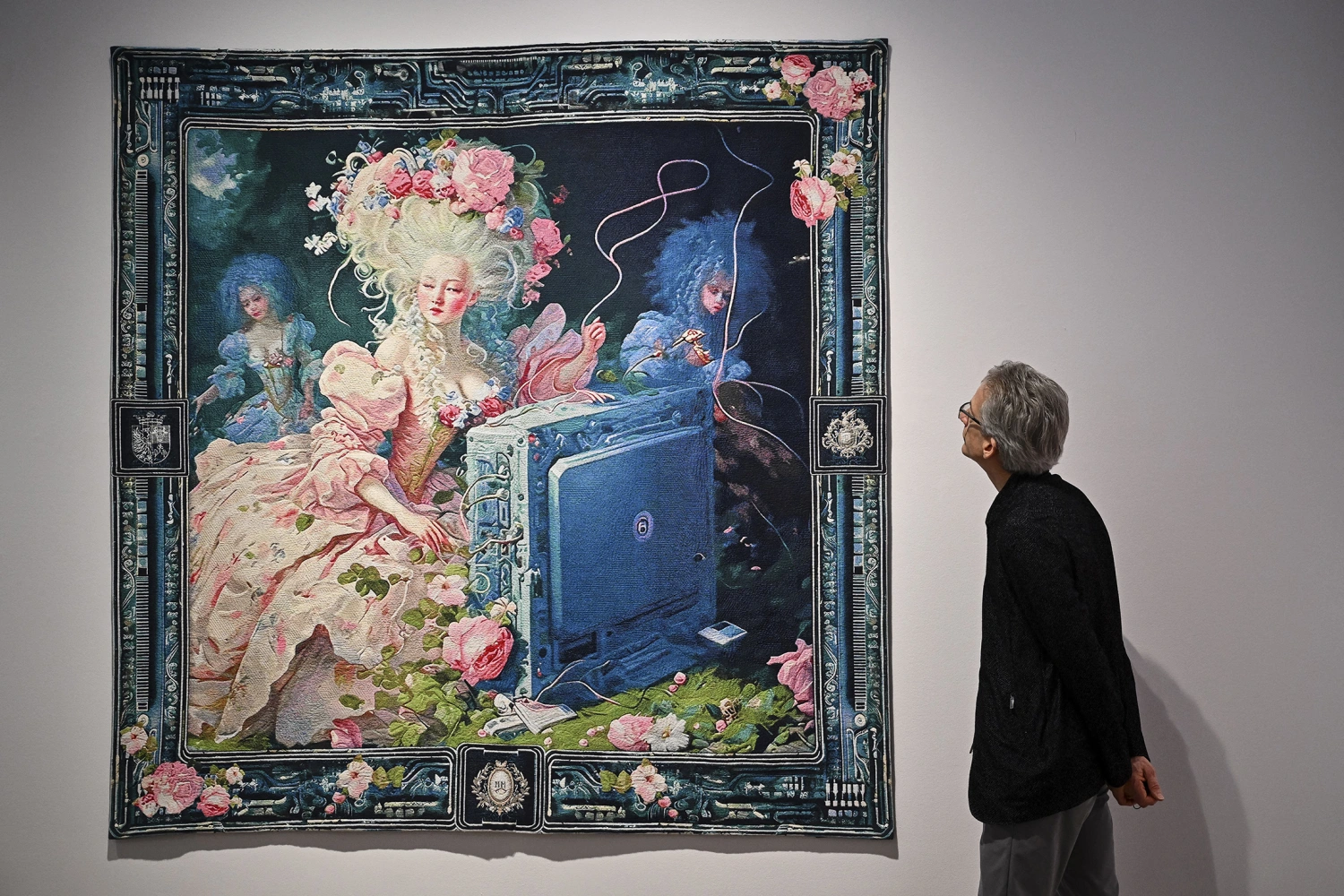
Nicole Sales Giles, Christie’s digital art sales lead, stated that the event demonstrated public recognition of AI artists’ influence and importance. Critics argued that the auction lacked representative works and questioned its timing.
Steven Sacks, founder of New York’s bitforms gallery, suggested that more education and visibility for AI artists are needed before such sales can succeed fully. He emphasized the importance of understanding AI art’s history and technological evolution.
The Controversial Rise of AI-Generated Art at Auction
The auction faced backlash over intellectual property concerns. A petition signed by 6,490 individuals called for Christie’s to cancel the event, claiming that many AI models used unauthorized copyrighted works during training.
Christie’s defended its decision, asserting that most datasets were artist-provided, though critics demanded greater transparency regarding data sourcing. AI-generated art has gained traction since Edmond de Belamy sold for $432,500 in 2018. Yet ethical and legal uncertainties persist.
Current copyright laws often fail to protect works created solely by machines, complicating ownership and valuation. Christie’s mixed results underscore both interest in AI art and challenges ahead.
As lawsuits against generative AI companies unfold, intellectual property debates will shape this emerging market’s future. For now, AI art remains a promising yet contentious frontier in the art world.
This article was produced by The Rio Times’ automated newsroom system. How we use AI · Report an error · Editorial responsibility: Matthias Camenzind, Editor-in-Chief
Read More from The Rio Times