Chileans rescue abandoned grapes and create wines with a taste of nostalgia
With numerous award-winning labels of carménère, cabernet sauvignon and blends of grapes of French origin, it is not uncommon for Chile to be cited as an example of New World wine — all those that are not produced in Europe.
Supposedly, these wines have a style marked by full-bodied reds, with a high alcohol content, velvety texture, always made from the same half-dozen grapes of French origin, most of them from Bordeaux.
However, there is a new Chile, with fresh, light reds and elegant whites, which is gaining more space every day. They are wines, most of the time, made from less famous grapes, such as carignan, cinsault, país (country), muscat or semillon, the so-called heritage grapes.

The oldest ones, like the país grape, were brought to Chile by the first settlers. In the middle of the 19th century, French grape varieties arrived in Chile. Over the years, many of them, however, were relegated to the production of popular wines and survived only in remote and poor regions.
Heritage varieties were left out because they lacked soft tannins and a dense, dark color. Finally, they did not correspond to the characteristics of export wine. By the 1990s, they had practically disappeared”, says Julio Bouchon, fourth generation of the Família Bouchon winery, in the Maule valley.
However, those that were not uprooted, very adapted to the environment, resisted without irrigation in very dry areas. With this, an enormous heritage of old vines (famous for producing quality wines) was created, mainly in the Maule, Itata and Bio-Bio valleys, south of Santiago. Then, already in the mid-1990s, these historic vineyards began to attract the attention of winemakers and producers looking for something new.
THE HERITAGE GRAPES
CARIGNAN GRAPE
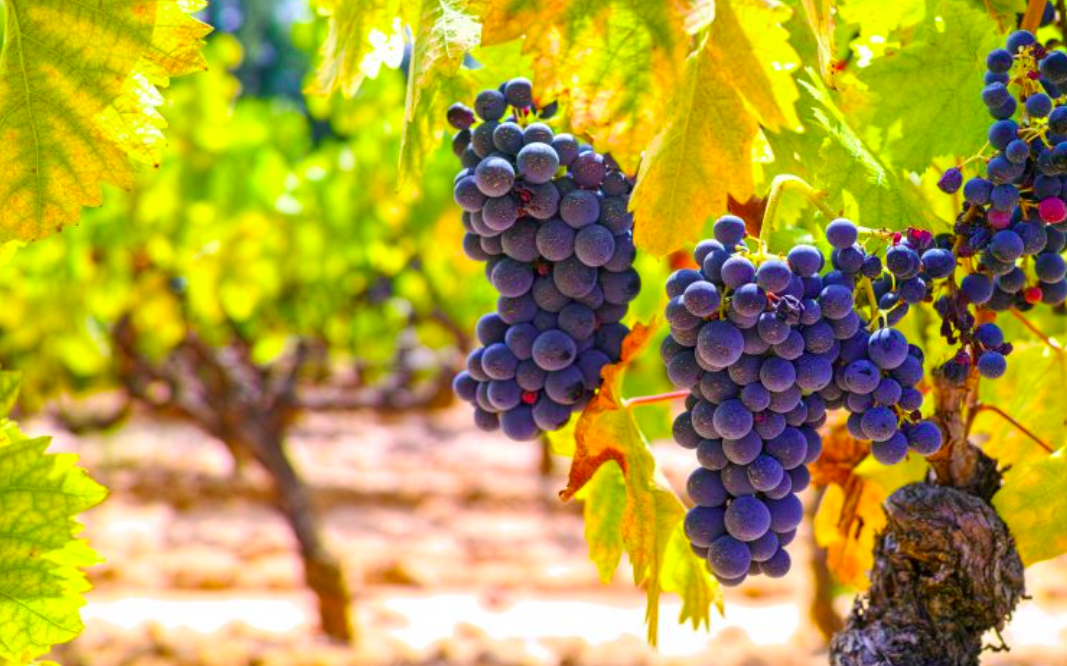
Also known as cariñena or mazuelo, carignan has Spanish origins. Its wines tend to be dark, with a lot of roughness (tannins) and a lot of acidity. It has aromas of dark fruits, licorice and sweet spices. In much of the world it is used to make blends.
It is not known exactly how carignan arrived in Chile, whether it was brought by colonizers or whether it came in the 19th century, but there is evidence that it was used in Maule to increase productivity. Attacked by a plague, however, it began to yield less and went into the background.
Until in 1995, winemaker Andrés Sanchez, from Gillmore Wines, hit the market with a very high quality wine made from carignan. Shortly afterwards, wineries such as Odfjell, Morandé and De Martino also launched their carignans.
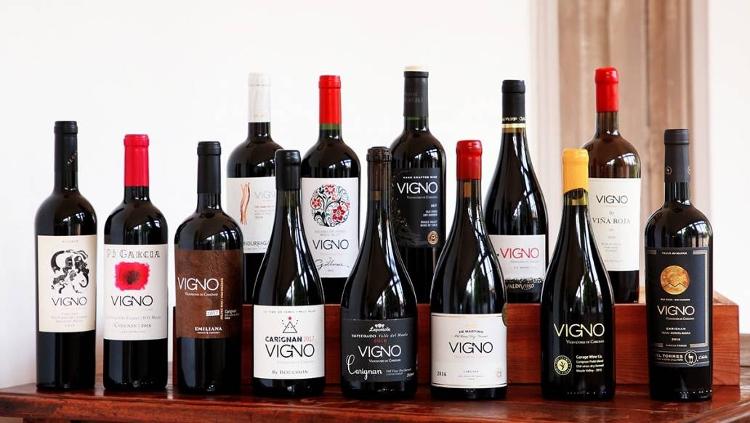
Finally, they ended up founding an organization of carignan producers in Maule: VIGNO (Vignadores del Carignan), with productions of proven quality, such as Vigno by Gillmore (US$37.64).
PAÍS GRAPE
Its origin is Spain, where it was known as ‘listán negro’, and it arrived in Chile in the 16th century, brought by missionaries to make mass wine.
One of the first to realize the potential of old país grape vineyards was the young Frenchman Louis Antoine Luyt, who was in Chile on a visit. In 2007, Luyt convinced small producers in Maule to work the país’ vineyards with the care used in noble vineyards. In 2011, he launched the first 100% country wine, Huasa.
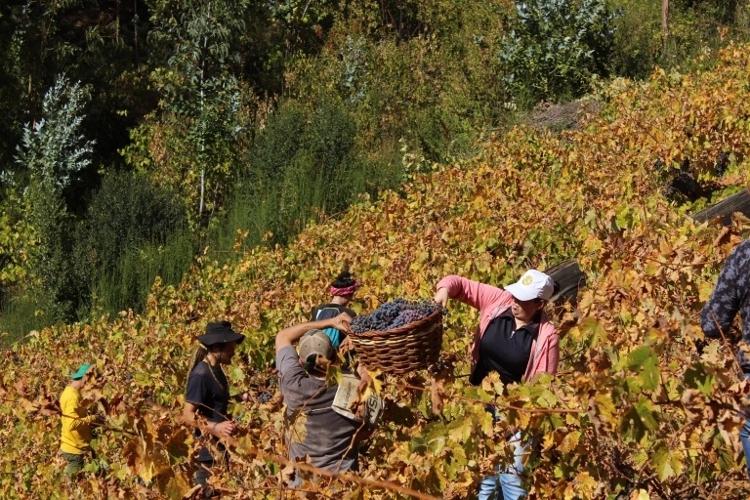
Today the país is widely used in Chile. Only among the samples tasted by the critics of Guia Descorchados 2022, there were 37 red wines from the país grape. Maule producers who work with país grape wines are now launching Almaule, an association along Vigno’s lines. The wines must come from vines that are at least 35 years old, must have between 12 and 13 degrees of alcohol and be dry.
País reds tend to have fresh fruit aromas, are not as full-bodied and have a good acidity that goes well with food. Almaule Viña Las Veletas should arrive in Brazil through Edega.
CINSAULT
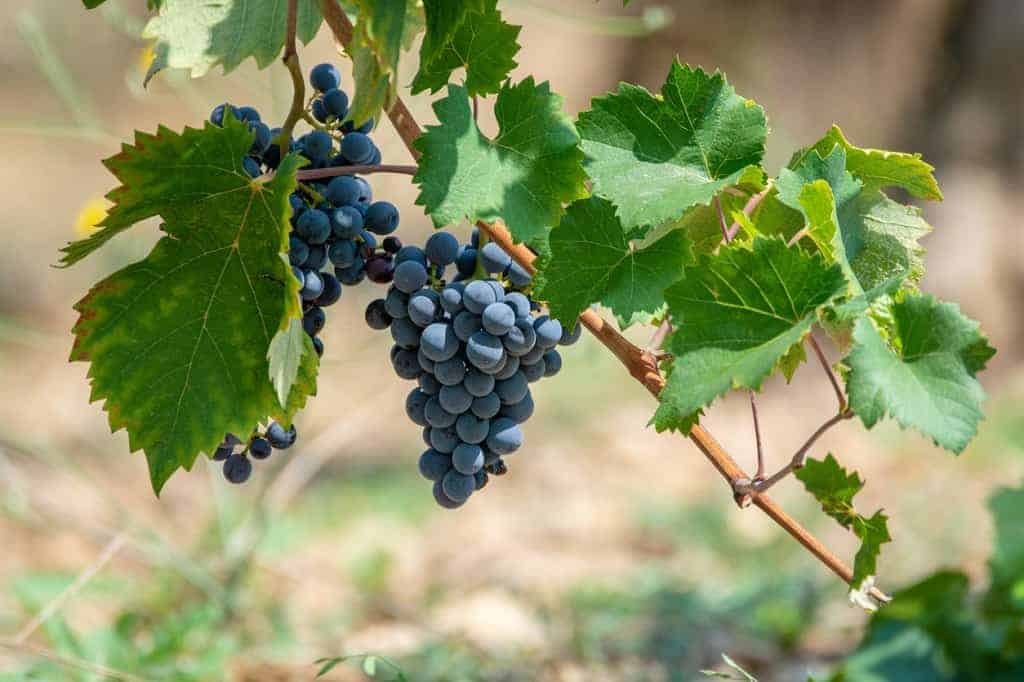
Rich in fruity and fresh aromas and with slightly tannic reds, cinsault originates in the south of France and is present in many of the blends of Provence rosés.
In Chile, it is mainly in the Valley of Itata. The vines are old, planted in bushes in dry soil and do not receive irrigation.
Seeking not to restrict himself to his own grapes, as happens with the family winery, and to explore other terroirs, Julio Bouchon created the Longaví winery, which displays the Glup! Cinsault. Handcrafted in the old family canteen, the wine costs US$27 at World Wine.
SEMILLON
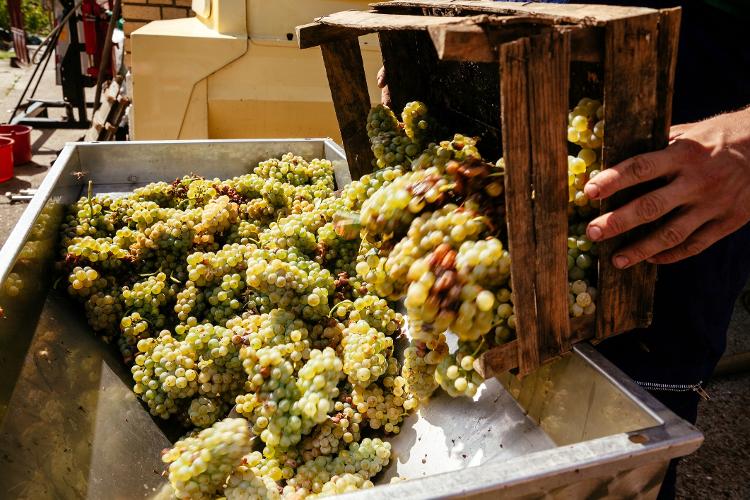
Originally from southwestern France, semillon was the most planted white grape in Chile at the end of the 19th century and in the first half of the 20th century, representing 75% of the planted area. Today, a few hectares remain, mainly on Maule and Colchagua.
In Maule, the Bouchon Family has the Batuco vineyard, with granite soil and vines from 1940. From it come two phenomenal whites. The most special of them, Bouchon Granite Semillion is fermented in wood and then spends another 12 months in French oak barrels. This makes it a full-bodied and very complex white that costs US$57.86 at World Wine.
MUSCAT OF ALEXANDRIA
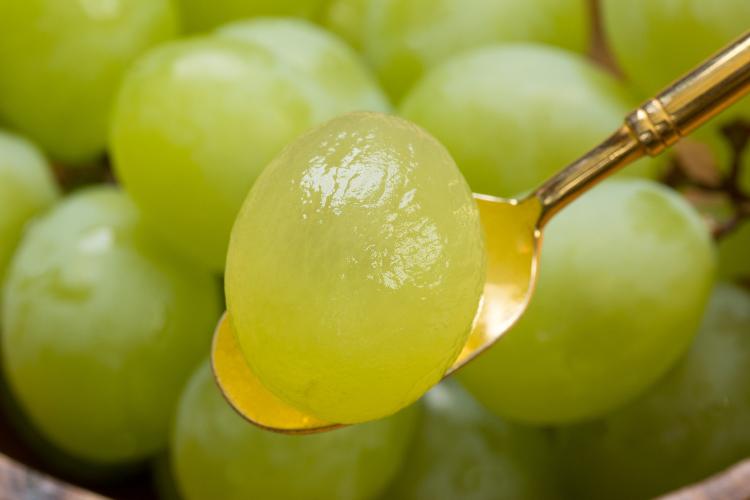
Today most used in Chile to produce pisco distillate and originating in the Mediterranean, it is a very aromatic grape.
According to Soledad Prado, from Viña Prado, the muscat vineyards are over 70 years old, but she and her sister are the first in the family to bottle this wine and sell it under their own brand.
The muscat from Alexandria Sulcador, for example, was not only fermented in contact with the skins, but also rested in vats of rauli, the wood that Chilean rural producers used in the past. The result is an orange wine, with floral, candied fruit and somewhat resinous aromas.
With information from UOL
This article was produced by The Rio Times’ automated newsroom system. How we use AI · Report an error · Editorial responsibility: Matthias Camenzind, Editor-in-Chief
Read More from The Rio Times