Chile’s Fuel Shock Is Quietly Turning Drivers Toward Electric Cars
Chile · Energy
Key Facts
—The trigger. Chile delivered its steepest fuel-price increases in decades earlier this year.
—The response. Electric cars are gaining ground fast as drivers look to escape the pump.
—The numbers. Electric-car sales roughly quadrupled between 2023 and 2025, to about four percent of the market.
—The pace. In April their share jumped to around six percent, up from roughly two percent a year earlier.
—The policy. An Energy Efficiency Law adopted in 2024 set fuel-economy standards that nudge buyers toward cleaner models.
—The standout. Chile already ranks second in the world, behind only China, for electric buses.
A painful jump in fuel prices is doing what years of green policy could not: nudging Chilean drivers toward electric cars in steadily growing numbers.
When the price of petrol jumps, drivers start doing sums. In Chile, those sums are increasingly pointing in one direction, toward electric cars.
Earlier this year the country pushed through its biggest fuel-price increases in decades. For a reader abroad, that shock is now quietly reshaping what Chileans choose to drive.
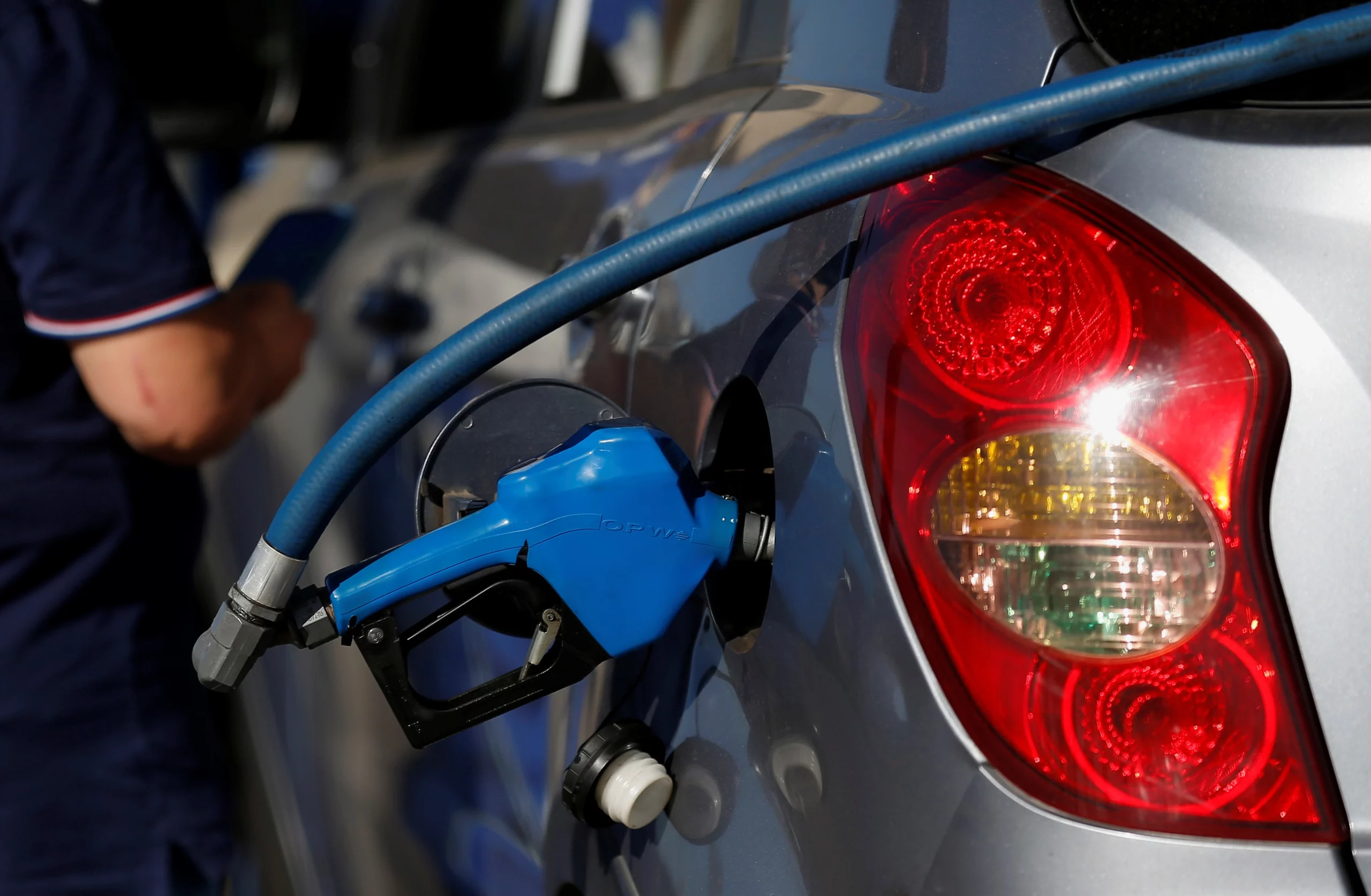
The country’s car dealers say interest in electric models has climbed as the cost of filling a tank has soared. Petrol in Chile now runs at well over six dollars a gallon, far above what American drivers pay.
The appeal is simple arithmetic. Electricity to charge a car is cheaper than fuel, and electric cars need no oil changes or filters, so the running costs are lower.
How fast electric cars are gaining in Chile
The growth has been steep. Sales of electric cars roughly quadrupled between 2023 and 2025, reaching about four percent of all cars sold.
The pace then picked up further. In April, electric models accounted for around six percent of new sales, up from roughly two percent in the same month a year earlier.
That is a striking shift in a flat market. Chile’s overall car sales have barely grown, which makes the electric surge stand out all the more.
The numbers come from the national automotive association, which tracks monthly sales. It credits cheaper models, common charging standards and government policy for the rebound.
Hybrids have led the early charge. These cars, which pair a petrol engine with an electric motor, have proved an easy first step for buyers nervous about charging.
Fully electric models are now catching up behind them. Falling prices and a widening choice of brands have brought the technology within reach of more ordinary buyers.
The policy push behind the trend
The fuel shock did not happen in a vacuum. Chile adopted an Energy Efficiency Law that began to take effect in 2024, setting standards that gradually steer buyers toward cleaner, more efficient vehicles.
The government has gone further since the price rise. Officials have said they are studying ways to hold down electricity bills while actively encouraging electric vehicles.
Chile already has a notable head start in one area. It ranks second in the world, behind only China, for the size of its electric bus fleet.
Passenger cars are now following that public-transport lead. The country is also drafting a new national strategy to speed the wider shift to electric mobility.
What still stands in the way
The obstacles are real. The biggest is charging, with too few public points outside the capital to reassure buyers in the regions.
Freight is another gap. Heavy electric trucks carry batteries that add several tonnes, eating into the cargo they can legally haul under old weight rules.
For a foreign reader, Chile offers a useful test case. It shows how a sudden jump in fuel prices, rather than green idealism alone, can tip everyday buyers toward electric cars.
The wider regional picture is moving the same way. Analysts expect electric-car sales across Latin America to rise sharply this year, with Chile among the front-runners.
Chile has a particular reason to lead. It is one of the world’s largest producers of lithium, the metal at the heart of the batteries that power these cars.
That gives the trend a neat symmetry. A country that helps supply the world’s batteries is now beginning to plug in its own roads.
Whether the momentum lasts may hinge on petrol. Should fuel prices ease, the pure cost argument for switching would soften, even as the longer-term direction looks set.
Background: Latin America’s auto market.
More: Chile news in English, every day from The Rio Times.
Frequently Asked Questions
Why are electric cars selling well in Chile?
A steep rise in fuel prices has made petrol far more expensive, pushing drivers toward cheaper-to-run electric models. Supportive policy and more affordable cars have added to the trend.
How much have electric-car sales grown?
Sales roughly quadrupled between 2023 and 2025, to about four percent of the market. In April their share reached around six percent, up from roughly two percent a year earlier.
What is holding the shift back?
The main barriers are a shortage of charging points outside the capital and outdated weight rules that penalise heavy electric trucks. A new national strategy aims to address these gaps.
Connected Coverage
This article was produced by The Rio Times’ automated newsroom system. How we use AI · Report an error · Editorial responsibility: Matthias Camenzind, Editor-in-Chief