Chihuahua Electoral Reform: Mexico Court Keeps Crime Annulment, Voids Bans
MEXICO · ELECTIONS
Key Facts
- —The ruling On 29 September 2026 Mexico’s Supreme Court (SCJN) ruled on four challenges to Chihuahua’s electoral reform of June 2026.
- —What survived An election can still be annulled when systematic criminal acts affect it, provided the irregularities are grave, deliberate and decisive.
- —What fell The court struck down automatic loss of candidacy and liability for merely benefiting from crimes committed by others.
- —The vote Seven ministers found the automatic sanction disproportionate, Vanguardia reported; Minister Yasmín Esquivel dissented.
- —What comes next Chihuahua’s Congress must add foreign interference as grounds for annulment before the 2026–2027 electoral process begins.
The Chihuahua electoral reform keeps its main tool against criminal interference, but Mexico’s Supreme Court wants sanctions weighed case by case.

Mexico’s Supreme Court on 29 September upheld Chihuahua’s rule allowing an election to be annulled when systematic criminal acts affect it. It struck down the automatic loss of candidacy and any liability for merely benefiting from crimes committed by others.
What the court was asked to decide
Chihuahua is Mexico’s largest state by area, on the border with Texas and New Mexico. Its Congress reformed the state constitution, electoral law and municipal code in June 2026, and the changes were published on 30 June.
The reform was promoted by Governor María Eugenia “Maru” Campos of the conservative National Action Party (PAN). It added penalties and annulment grounds tied to violence and organised crime in elections.
Morena, the party of President Claudia Sheinbaum, challenged it together with its state deputies. The Chihuahua State Human Rights Commission also filed.
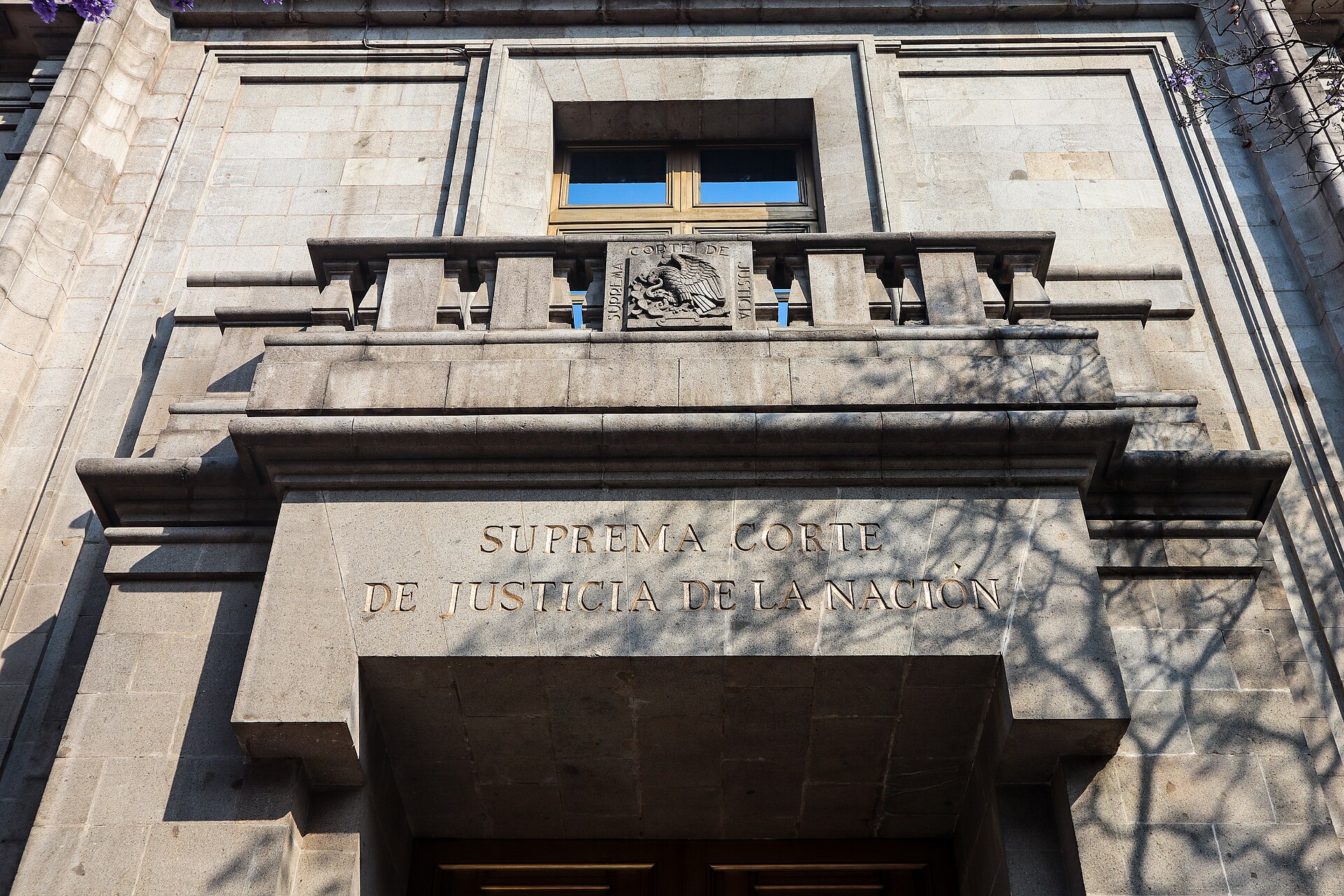
The Supreme Court of Justice of the Nation (SCJN) heard the cases together as action of unconstitutionality 96/2026. Such actions let parties and some public bodies ask the court to strike down a law directly.
What the court struck down
The law punished candidates who were “benefited directly” by violence, threats or coercion, even when others committed the acts. The court called this strict liability, contrary to the presumption of innocence and the principle of guilt.
Sanctions remain for candidates who commit such acts themselves. The same “benefited” wording also fell from two related articles on other offenders.
The court also voided the automatic loss of the right to register as a candidate, or cancellation of a registration. It said authorities must be able to fit the penalty to each case.
Seven ministers found the automatic sanction disproportionate, Vanguardia reported. Chief Justice Hugo Aguilar Ortiz said only its direct application was annulled, and the same penalty remains available to electoral authorities.
What the court kept
The key annulment ground survived. An election can still be voided when permanent or systematic criminal acts affect the process, the court said in its official summary.
Read with the rest of the law, that ground requires the irregularities to be grave, deliberate and decisive for the result. That matches the federal constitution and the national law on electoral appeals.
The court also upheld a rule that some officials must leave their posts six months before running for governor. It validated a lower threshold, from 10% to 9%, in one round of allocating proportional seats.
Where the minority stood
Minister Yasmín Esquivel Mossa voted to keep the automatic sanction. Losing a candidacy is proportionate for those who commit such acts, she argued.
“It is not possible to tolerate this kind of criminal act in a democracy,” she said. Minister Irving Espinosa Betanzo answered that loss of candidacy could still be valid, if lawmakers justify it properly.

What Chihuahua’s Congress must now do
The court found that state lawmakers failed to include a ground the federal constitution requires. It covers foreign intervention or interference that influences an election result.
Congress must add it before the 2026–2027 electoral process begins.
The court also found the state had not aligned its nepotism rules with a federal reform. That duty applies from the following process.
It voided a quota that reserved 2% of council candidacies for people with disabilities or of sexual diversity. The state electoral institute may issue its own measures instead, so both groups keep their access.
The political fight behind the ruling
Campos had asked the court to uphold the reform. “What is at stake is not an article of a state law,” she said in a video on 28 September.
“It is whether a state of the Republic can defend its elections from organised crime,” she added. She said every party in the state Congress backed the reform except Morena.
Morena’s deputies argued that barring people for presumed links to crime breaks the presumption of innocence. The ruling gave each side part of what it sought.
A regional pattern at the ballot box
Mexico is not alone in trying to keep crime away from the vote. In Peru, more than 6,800 prosecutors will watch Sunday’s local elections for vote-buying and voter coercion.
Brazil holds its general election on the same day, Sunday 4 October. A presidential runoff follows on 25 October if no candidate wins half the valid votes.
Chihuahua’s ruling sits in the middle of that spectrum. Crime-tainted elections can be voided, but candidates keep due process, and Chihuahua’s 2026–2027 electoral process will test the balance.
More: Mexico news, every day from The Rio Times.
Frequently Asked Questions
Did the Supreme Court annul an election in Chihuahua?
No. The ruling of 29 September concerned a state law passed in June 2026, not a specific election. The court kept the rule that lets an election be annulled when systematic criminal acts affect it.
What exactly did the court strike down?
It voided liability for candidates who merely benefited from crimes committed by others, and the automatic loss or cancellation of a candidacy. Candidates who commit such acts themselves can still be sanctioned, with penalties weighed case by case.
Which court decided?
Mexico’s Supreme Court of Justice of the Nation (SCJN) decided the case, not the federal Electoral Tribunal (TEPJF). It ruled on actions of unconstitutionality, which challenge a law directly rather than an election result.
Sources: Vanguardia · Vanguardia · Supreme Court of Justice of the Nation (SCJN), Comunicado 137 · Supreme Court of Justice of the Nation (SCJN), draft ruling AI 96/2026
This article was produced by The Rio Times’ automated newsroom system. How we use AI · Report an error
Read More from The Rio Times