Mexico’s Peso Breaks 18 per Dollar: What It Means for Expats and Remittances
MEXICO · ECONOMY · EXCHANGE RATES
Key Facts
- The move The Mexican peso broke 18 per US dollar on Tuesday 29 September 2026, quoted near 18.02 on market screens early Wednesday, against Friday’s official Banxico FIX of 17.7100.
- The speed Two weeks ago the FIX sat at 17.2450 (determined 18 September). The slide since then is about 4.5 percent.
- The driver Global, not local: the US ten-year Treasury yield hit 5.24 percent on Tuesday, its highest since 2007, pulling money toward the dollar across emerging markets.
- The policy gap Banxico held its rate at 6.5 percent last week, splitting from the US Federal Reserve, which had raised days earlier. A narrower rate gap thins the peso’s support.
- For your wallet US$1,000 now buys about MXN 18,020 against roughly MXN 17,245 two weeks ago. Dollar earners and remittance recipients gain; peso earners pay more for anything priced in dollars.
- Not known Where the move stops. No analyst can verify a floor, and today’s official FIX is only determined around midday Mexico City time.
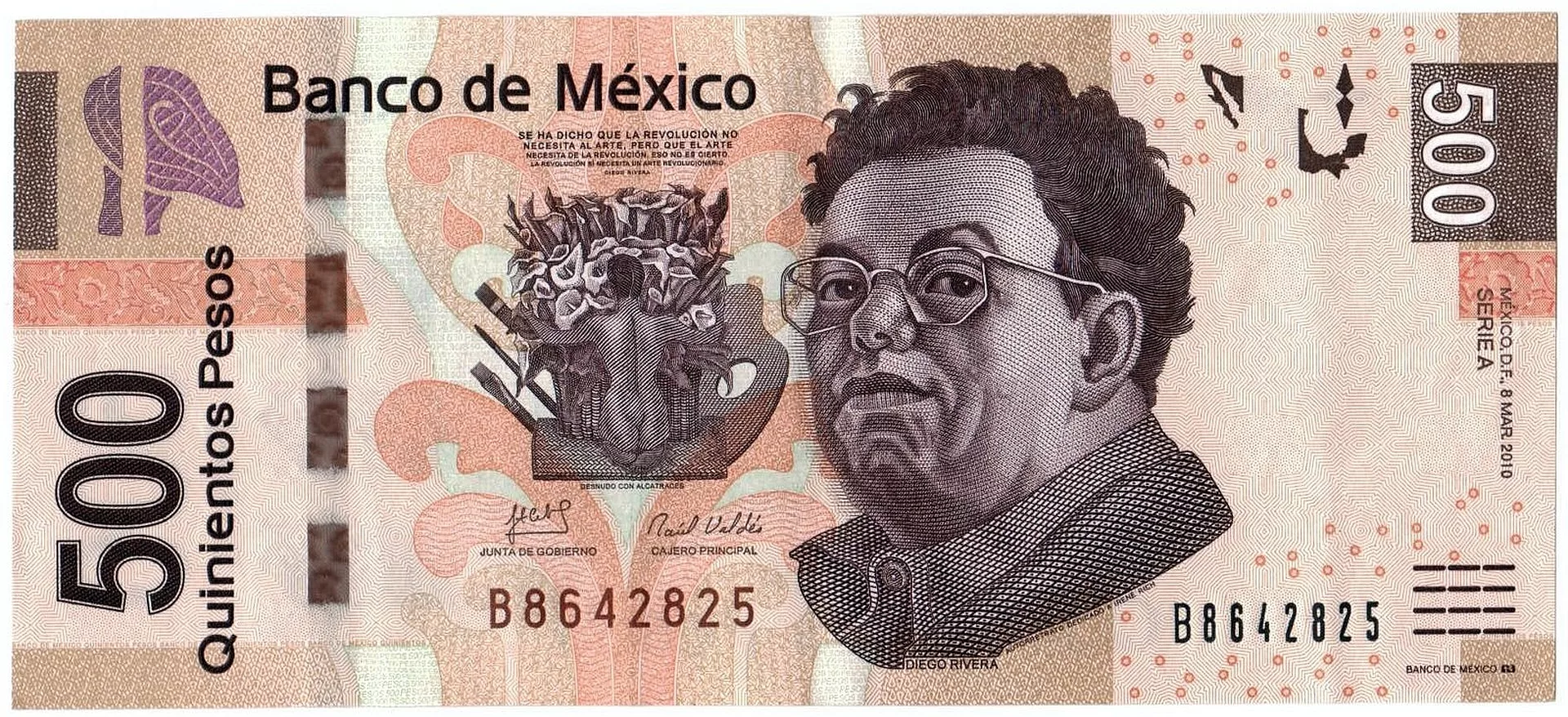
The peso has crossed 18 per dollar for the first time in this stretch. For anyone paid in dollars, Mexico just got about 4.5 percent cheaper in two weeks. For anyone paid in pesos, the opposite is true. Both things are real, and neither is a verdict on the country.
What Actually Happened
The peso weakened through Tuesday and crossed 18 per dollar on market screens — the first breach of that line in the current stretch. Early Wednesday, market estimates put it near 18.02. The official Banxico FIX, the central bank’s reference rate, was last determined on Friday at 17.7100; Tuesday’s value is determined around midday Mexico City time and published in the official gazette a day later.
The two-week comparison shows the pace. The FIX determined on 18 September was 17.2450. From there to Tuesday’s market quotes near 18.02, the peso has lost about 4.5 percent — a fast move by the standards of a currency that spent much of the past year being called the “super peso” for its strength.
Why Now: The Yield Story
The push comes from Washington, not Mexico City. The US ten-year Treasury yield reached 5.24 percent on Tuesday, its highest since 2007, after the Federal Reserve’s rate rise in mid-September. When American bonds pay that much, money parked in emerging-market currencies comes home — and the peso, the most traded currency in Latin America, feels it first and hardest.
Days after the Fed’s move, the Bank of Mexico held its own policy rate at 6.5 percent, pausing its easing cycle and splitting from the Fed’s direction. The narrower gap between what pesos and dollars earn makes the peso’s carry trade — borrowing cheaply elsewhere to hold high-yielding pesos — less rewarding. That is the mechanism; whether it keeps running is a forecast, and we label it as one: currency desks quoted by Mexican media this week see the peso testing higher levels if US yields stay elevated. They can be wrong, and often are.
What It Means for Expats’ Money
If your income arrives in dollars, the move works for you. US$1,000 converts to about MXN 18,020 at this morning’s market estimate, against roughly MXN 17,245 two weeks ago — an extra MXN 775, enough for a mid-range dinner for two in Mexico City. A rent quoted in pesos — say MXN 25,000 a month — cost about US$1,450 at mid-September’s FIX and about US$1,387 now. Landlords rarely reprice weekly, so dollar earners gain quietly while peso contracts stand.
Remittances run the same arithmetic in the other direction. A family receiving US$500 gets about MXN 9,010 today, against roughly MXN 8,620 two weeks ago. Mexico’s remittance inflows are among the largest in the world, so a 4.5-percent swing is real money in millions of households.
The Other Side of the Move
A weaker peso is not free money; it is a transfer. Anyone earning pesos — local salaries, peso pensions, a Mexican business’s revenue — now buys fewer dollars, pricier imported goods and more expensive foreign travel. Dollar-priced imports, from electronics to gasoline components, tend to pass through to local prices with a lag, which is how currency slides feed inflation. Mexico’s consumer inflation was already the reason Banxico paused its cuts.
And a price move is not a verdict. The peso has crossed round numbers in both directions for years; what matters for a household is which currency its income and costs are denominated in, not the headline itself.
What We Could Not Confirm
Today’s official Banxico FIX — it is determined around midday Mexico City time, after this piece went to press. Any claim about where the peso “should” settle: no verifiable floor exists, and bank forecasts differ. We also could not confirm reports of fresh US–Mexico trade-talk outcomes this week; Mexico’s Economy Ministry says no meeting date was ever confirmed.
Is 18 pesos per dollar a crisis level for Mexico?
No. The peso traded near 17.24 two weeks ago, and the current move tracks the jump in US bond yields — the ten-year Treasury hit 5.24 percent on Tuesday, the highest since 2007 — which is pulling money toward the dollar across emerging markets. A weaker currency helps dollar earners and hurts peso earners; it is a price move, not a verdict on the country. Mexico’s central bank held its rate at 6.5 percent last week and has room to respond if the slide turns disorderly.
Should I convert my dollars to pesos now?
We do not give timing advice, and nobody can verify where the move stops. What is verifiable: US$1,000 buys about MXN 18,020 this morning, roughly 4.5 percent more pesos than two weeks ago, and rates move in both directions. If you convert regularly, the practical approach is the boring one — convert what you need when you need it, and compare your bank’s or transfer service’s spread against the market quote before accepting it.
What does the weaker peso mean for rents and remittances?
Rents quoted in pesos are cheaper in dollar terms: MXN 25,000 a month is about US$1,387 at this morning’s market estimate near 18.02, against roughly US$1,450 at the mid-September FIX of 17.2450 — leases rarely reprice weekly, so the gain accrues quietly to dollar earners. For remittances, US$500 sent home converts to about MXN 9,010 now versus roughly MXN 8,620 two weeks ago.
Sources
- open.er-api.com (USD/MXN market estimate 18.02, 30 September 2026, 00:02 UTC)
- Banco de México (FIX 17.7100, determined 25 September 2026; FIX 17.2450, determined 18 September 2026; policy rate 6.5 percent held on 24 September 2026)
- The Rio Times Global Economy Briefing (US ten-year yield 5.24 percent, highest since 2007, 29 September 2026) and Mexico Markets desk (29 September 2026)
- The Rio Times desk reporting, 24–30 September 2026
More: Mexico news in English, every day from The Rio Times. See also our LatAm Expat & Nomad Daily Guide for Wednesday 30 September and the Banxico hold explainer.
This article was produced by The Rio Times’ automated newsroom system. How we use AI · Report an error
In depth
Read More from The Rio Times