Carlos Slim’s Grupo Carso Buys Kan Oil Block in Mexico
Energy: Mexico
Key Facts
—Deal. Carlos Slim’s Grupo Carso agreed on 16 July 2026 to buy TotalEnergies’ 30% non-operated stake in Mexico’s offshore Block 30, home to the Kan oil discovery.
—Vehicle. The purchase runs through Mx Delta NRG 1, a unit of Carso’s upstream arm Zamajal; terms were not disclosed and the transfer still needs Mexican government approval.
—Operator. Harbour Energy keeps its 70% operated stake and becomes the block’s only other partner once the deal closes.
—Resource. The 2023 Kan discovery holds an estimated 200 to 300 million barrels of oil equivalent of light crude; a 2025 appraisal lifted oil-in-place estimates toward 500 million.
—Location. Block 30 sits in shallow water in the Cuenca Salina del Istmo, about 29 km off Mexico’s southern Gulf coast.
TotalEnergies is retreating from a promising Mexican oil block just as Latin America’s richest man moves in, with Carlos Slim’s Grupo Carso agreeing to buy the French major’s 30% stake in the Kan discovery.
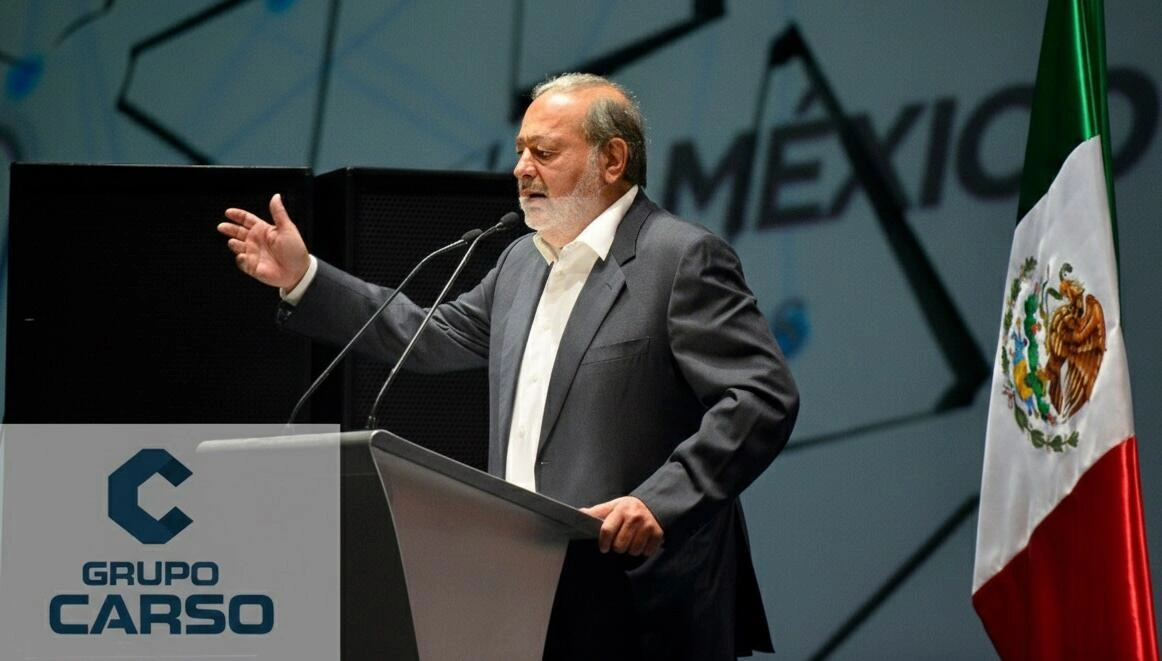
What Grupo Carso Is Buying in the Gulf of Mexico
On 16 July 2026, Grupo Carso, the industrial conglomerate controlled by Mexican billionaire Carlos Slim, reached a binding agreement to acquire the 30% interest that TotalEnergies holds in Block 30, a shallow-water oil concession in the southern Gulf of Mexico. The transaction still requires government approval, and neither side disclosed a price.
The stake is being bought through Mx Delta NRG 1, a subsidiary of Zamajal, Carso’s upstream investment arm. Grupo Carso owns 80% of Zamajal, with the Slim-family holding company Control Empresarial de Capitales holding the rest. Once the transfer closes, only two partners will remain in the block’s production-sharing contract.
That leaves Harbour Energy, the UK-based operator, with its 70% share, and Slim’s vehicle with 30%. TotalEnergies, which has held the minority position since the block was awarded, exits entirely.
Inside the Kan Discovery and Block 30
Block 30 lies in the Cuenca Salina del Istmo, or Isthmus Salt Basin, about 29 kilometres off Mexico’s southern Gulf coast. It covers roughly 30.5 square kilometres in shallow water, with the seabed only 40 to 50 metres down and target reservoirs some 3,300 to 3,750 metres below that. The prize is light crude oil.
The block’s headline asset is the Kan discovery, drilled in 2023. Early estimates put it at 200 to 300 million barrels of oil equivalent, and a 2025 appraisal campaign raised the estimate of oil in place toward 500 million barrels of oil equivalent. That makes Kan one of the larger light-crude finds in Mexican waters under a private contract in the past decade.
The production-sharing contract dates to April 2018, awarded by Mexico’s then-National Hydrocarbons Commission after an international tender. The original consortium paired Premier Oil and Deutsche Erdoel Mexico — both now folded into Harbour Energy — with a TotalEnergies unit, on a 25-year term.
Why TotalEnergies Is Stepping Back
For TotalEnergies, selling a non-operated 30% stake in an evaluation-stage block fits a wider pattern. European majors have been trimming minority positions in emerging-market upstream assets to concentrate cash on fields they operate and on their liquefied natural gas businesses, where they hold more control.
A non-operated minority stake gives a company exposure to a discovery but little say over the pace or cost of development. By exiting Kan, TotalEnergies frees capital while handing the position to a buyer eager to build a Mexican oil portfolio. The French company keeps other interests in Mexico, including operated exploration acreage.
The move also underlines how ownership of Mexico’s private-contract blocks continues to consolidate. Harbour Energy, itself the product of mergers that absorbed Premier Oil and parts of Wintershall Dea, now stands as Kan’s sole operator and one of the country’s larger foreign producers.
Carlos Slim’s Sudden Turn Toward Oil
The purchase marks a striking pivot. As recently as late May 2026, Slim publicly called the Pemex-linked Lakach deepwater gas project “irrational” and said he was not chasing new ventures with the state oil company. Kan, a shallow-water light-crude play, is the opposite kind of bet: proven geology, shorter timelines and lower technical risk.
It is also Slim’s second upstream deal of the year through Zamajal. In March 2026, Carso raised its position in the Zama field, another shallow-water discovery, by buying a larger stake in one of its licence holders. Together the two moves turn Zamajal into a dedicated vehicle for minority stakes in Mexican oil.
The strategy is consistent: take non-operated positions alongside experienced operators such as Harbour Energy in short-cycle, light-crude fields, rather than lead complex, capital-hungry deep-water developments. For a diversified conglomerate better known for telecoms and retail, it is a measured way into oil.
What the Deal Means for Mexico’s Post-Pemex Opening
Mexico’s government has spent 2026 courting private capital to lift oil output as the heavily indebted state producer Pemex struggles to fund new fields on its own. Deals like Slim’s show domestic money stepping into that gap, taking on assets that international firms are ready to shed.
The Cuenca Salina del Istmo is increasingly viewed as one of the country’s more promising upstream frontiers, sitting where conventional shallow-water production meets deeper sub-salt potential. A recent exploration-focused memorandum between Pemex and Brazil’s Petrobras has drawn fresh attention to the same basin.
For foreign investors and analysts, the transaction is a signal that Mexico’s private-contract framework, launched in the 2013-2014 energy opening, still attracts serious buyers even as national policy leans back toward state control. It also puts one of the country’s most powerful business families directly into oil production.
What It Means for Investors and Foreign Residents
For markets, the deal reinforces a theme: cash-rich Mexican groups are willing to underwrite oil projects that carry manageable risk, potentially speeding the development of discoveries that might otherwise sit idle. Kan still needs a development plan and final investment decision before it produces a barrel.
For expatriates and businesses in Mexico, the near-term impact is indirect. New offshore output would support government revenue and energy security over the coming decade, but first oil from Kan is years away and depends on regulatory approvals and drilling.
The bigger story is strategic. A supermajor is narrowing its Mexican footprint while the country’s richest man widens his, a role reversal that captures how the balance of upstream ownership in Mexico is shifting from global oil companies toward domestic capital.
Frequently Asked Questions
What did Carlos Slim’s Grupo Carso agree to buy?
Grupo Carso agreed to buy TotalEnergies’ 30% non-operated stake in Mexico’s offshore Block 30, home to the Kan oil discovery, through its Zamajal subsidiary Mx Delta NRG 1. Terms were not disclosed and the deal still needs Mexican regulatory approval.
How big is the Kan discovery?
Made in 2023, Kan is estimated at 200 to 300 million barrels of oil equivalent of light crude. A 2025 appraisal campaign raised the estimate of oil in place toward 500 million barrels of oil equivalent, making it one of the larger light-crude finds in Mexican waters in the past decade.
Who operates Block 30 after the sale?
Harbour Energy remains the operator with a 70% interest. Once the transfer closes, Harbour and Carlos Slim’s Mx Delta NRG 1 will be the only two partners in the block’s production-sharing contract.
Sources
Connected Coverage
LatAm Energy & Deals — Monday, August 3, 2026
Sources: Mexico Business News; BNamericas; Reuters.
This article was produced by The Rio Times’ automated newsroom system. How we use AI · Report an error
Read More from The Rio Times