A US Strike Likely Killed Two St Lucians. CARICOM Won’t Say Murder
Security
Key Facts
—The question. An Al Jazeera correspondent asked Caribbean leaders on Wednesday whether Washington may lawfully kill their citizens.
—The dead. Ricky Joseph and Nafi Williams of Saint Lucia are believed killed in a February 13 strike.
—The silence. Saint Lucia says it asked the United States for information and has received none.
—The toll. At least 221 people had died in the campaign by late June, including seventeen missing and presumed dead.
—The scale. More than sixty strikes have been publicly acknowledged since September 2025.
—The evidence. Washington has published no proof that any individual killed was trafficking drugs.
At the closing press conference of their summit, Caribbean prime ministers were asked a question about CARICOM US strikes that most heads of government never face. Does a foreign power have immunity to kill your citizens?
The answers, delivered in Saint Lucia on Wednesday, were careful. What is striking is how closely they matched.
Two Saint Lucians, Ricky Joseph and Nafi Williams, are believed to have died when an American aircraft destroyed a boat on the thirteenth of February. The United States military publicly acknowledged that strike, one of three that day which killed eleven people.
Four months later, their government still calls it a missing persons case.
What the leaders said about CARICOM US strikes
Philip Pierre, the Saint Lucian prime minister who now chairs the bloc, said his government had asked Washington for information about what happened. He said none had arrived.
His own police force, he explained, is still trying to establish the facts. Any loss of life concerns him, particularly at sea.
Kamla Persad-Bissessar of Trinidad and Tobago went further, and in a different direction. She said her government had taken legal advice, and that the advice did not support calling the deaths murder.
Terrance Drew of Saint Kitts and Nevis, who has just handed over the chairmanship, invoked the rule of law and the presumption of innocence. The formulations differ; the effect does not.
Not a split, a shared silence
It would be easy to read division into this. Three leaders, three answers, one bloc that has spent months saying it needs more facts before responding.
The more accurate reading is agreement. Every one of them declined to characterise what happened, and every one of them reached for a legal principle to explain why.
These are small states in a hemisphere where the largest power has designated criminal groups as terrorists and claims to be in armed conflict with them. That framing, notified to Congress in October 2025, permits killing people who pose no immediate threat.
The doubts are not confined to the Caribbean. American reporting has said the admiral then commanding the region resigned last October, having raised concerns about the legal authority for the boat campaign.
The numbers Washington does publish
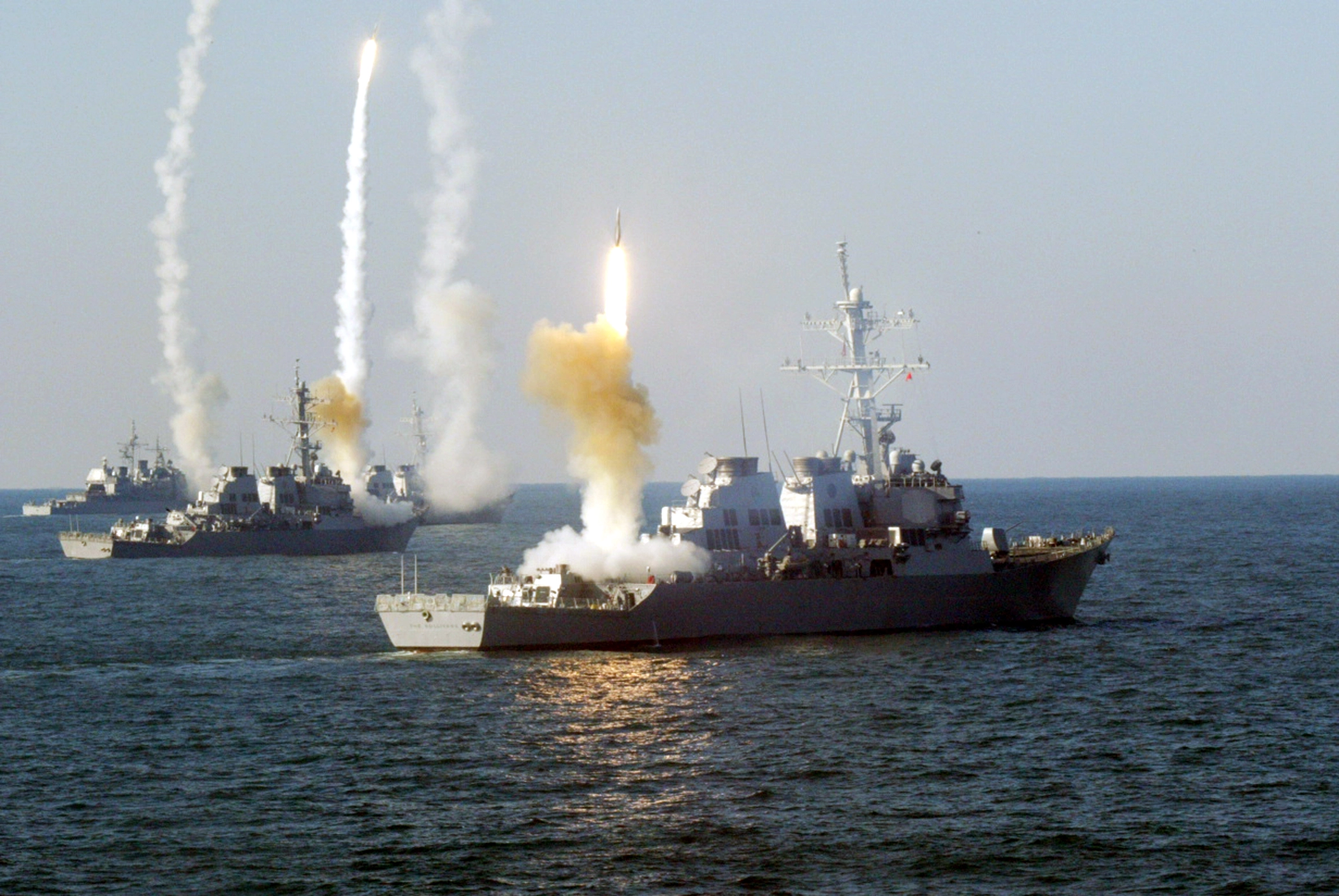
American Southern Command posts each strike on social media, with a short video and a standard sentence. The vessel was operated by designated terrorist organisations, intelligence confirmed it was engaged in narco-trafficking, and no American forces were harmed.
What it does not post is evidence. The command’s own account of a June strike names no one, cites no seizure, and offers no proof of what the boat carried.
By late June at least two hundred and twenty-one people had been killed, seventeen of them missing and presumed dead. More than sixty strikes have been acknowledged since the campaign began in September 2025.
When a British newspaper identified more than a dozen of the dead this spring, it reported finding no evidence any of them had trafficked drugs. All came from poor families in Latin America and the Caribbean.
Why CARICOM US strikes matter to investors
This is a country-risk story before it is a moral one. A region that cannot obtain an answer about its own dead citizens is a region with limited leverage in every other negotiation it enters.
The same week, in Cusco, a senior American official told Latin American defence ministers to use military force against narco-terrorists and to spend more on defence. Brazil’s defence minister declined on procedural grounds.
Caribbean states have less room to be procedural. Several depend on American tourism, remittances and correspondent banking, and some are negotiating bilateral arrangements with Washington while the strikes continue.
That dependence is the answer to the Al Jazeera question, even if no prime minister gave it. The immunity is not legal, but practical.
How many people have the strikes killed?
At least two hundred and twenty-one by late June, according to counts drawn from American military statements, including seventeen listed as missing and presumed dead. More than sixty strikes have been publicly acknowledged since the first attack in September 2025.
Has the United States proved the victims were traffickers?
No public evidence has been produced identifying any individual killed as a drug trafficker. The military states that intelligence confirmed each vessel was engaged in narco-trafficking, but it has not released that intelligence or the names of the dead.
Why will Caribbean leaders not call it murder?
Trinidad’s prime minister said the legal advice her government received did not support that conclusion. Others invoked the presumption of innocence, and Saint Lucia says it cannot establish the facts because Washington has not answered its request for information.
Company profiles: East Caribbean Financial Holding Company Ltd. · more in our LatAm Company Intelligence section.
Company profiles: FirstCaribbean International Bank (Barbados) Limited · more in our LatAm Company Intelligence section.
Company profiles: St. Lucia Electricity Services Limited · more in our LatAm Company Intelligence section.
More: Latin America news in English, every day from The Rio Times.
Frequently Asked Questions
Who are the Saint Lucian citizens believed to have been killed in a US strike?
Ricky Joseph and Nafi Williams of Saint Lucia are believed to have been killed when an American aircraft destroyed a boat on February 13. The United States military publicly acknowledged that strike, which was one of three that day and killed eleven people in total.
Has the United States provided evidence that those killed were drug traffickers?
Washington has published no proof that any individual killed was trafficking drugs. Saint Lucia has asked the United States for information regarding the deaths of its citizens and has received none.
How many people have died in the US strike campaign and how many strikes have occurred?
At least 221 people had died in the campaign by late June, including seventeen missing and presumed dead. More than sixty strikes have been publicly acknowledged since September 2025.
Connected Coverage
US Kills 11 More in Drug Boat Strikes, Total Now 145
US Unveils ‘Donroe Doctrine’; Brazil Says Drugs Aren’t the Army’s Job
French Guiana Joins the Caribbean Bloc, Pulling France Closer
This article was produced by The Rio Times’ automated newsroom system. How we use AI · Report an error · Editorial responsibility: Matthias Camenzind, Editor-in-Chief