Venezuela Asks Britain for $1.95bn of Gold Buried Under London

Sovereign Assets
Key Facts
—The letter. Interim president Delcy Rodríguez wrote to King Charles on July 8 seeking release of the bullion.
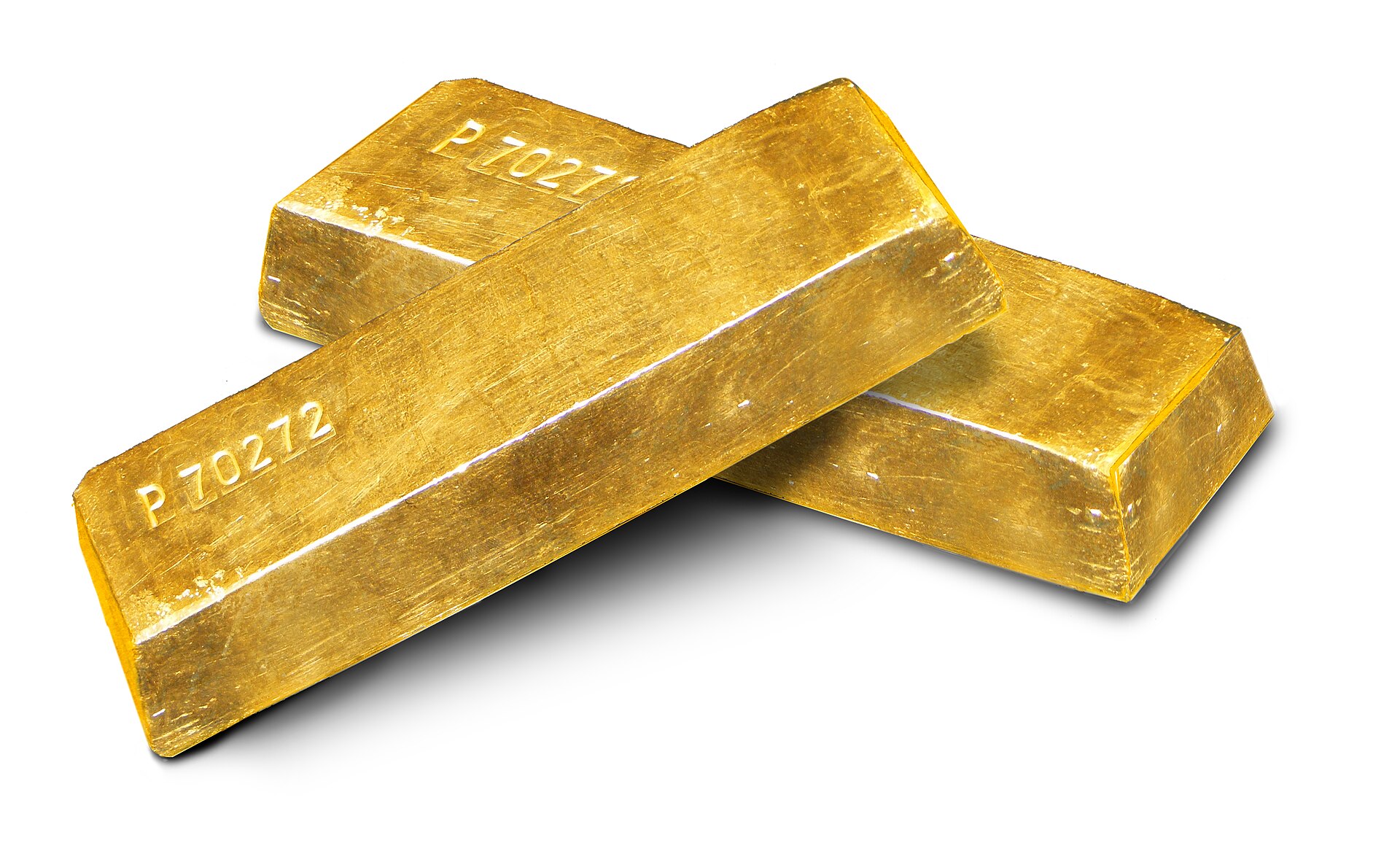
—The hoard. The Bank of England has held 31 tonnes since 2008, worth about $1.95bn, roughly 15 percent of Venezuela’s reserves.
—The toll. The June 24 earthquakes have killed 3,811 people, injured 16,740 and displaced 17,907.
—The bill. United Nations assessors put direct physical damage at $37bn, split $24bn in buildings and $13bn in infrastructure.
—The gap. Relief has drawn $300m against a stated shortfall of $627m.
—The obstacle. Britain has declined to recognise the government in Caracas, and a 2021 Supreme Court ruling ties asset access to recognition.
Venezuela gold sits under Threadneedle Street in London, thirty-one tonnes of it. The country that owns it cannot touch a single bar, and this week its acting president wrote to the King to ask why.
Delcy Rodríguez sent the letter on Wednesday. The bullion belongs to the Venezuelan people, she said on state television, and is needed to deal with the earthquakes.
Two quakes of magnitude seven point two and seven point five struck the north-central coast on June 24. They hit thirty-nine seconds apart, and the confirmed dead now stand at three thousand eight hundred and eleven.
That number has more than doubled in the past week and is still climbing. Nearly seventeen thousand people were injured, and almost eighteen thousand have lost their homes.
Why the Venezuela gold is frozen at all
The metal has been in London since 2008 and out of reach since 2019. That was when Britain recognised a rival claimant to the presidency.
The reason is not a sanction in the ordinary sense. It is a question of who Britain thinks runs Venezuela.
When the United Kingdom recognised the opposition figure Juan Guaidó as head of state, it also recognised the central bank board he appointed. The board actually operating in Caracas was left with no claim on the vault.
Nicolás Maduro’s side went to court in 2020, and two rival central bank boards fought over the vault. The case ran through the High Court and the Court of Appeal to the Supreme Court, which settled the principle against him in 2021.
That ruling is the whole story. Access to the reserves follows whichever government London recognises, regardless of who controls the institution on the ground.
The government changed, the answer did not
Maduro is gone. American forces seized him in Caracas in early January, and on the third of that month the supreme court installed Rodríguez, his former deputy, as interim leader.
Washington has embraced the change. The Trump administration backs Rodríguez and has been steadily unwinding sanctions, especially those blocking foreign oil companies.
Britain has not followed. Foreign Secretary Yvette Cooper told Parliament in January that the government would keep withholding recognition, because pressure should stay in place until there is a transition to democracy.
This produces an unusual alignment. A government Washington supports is being refused its own reserves by a British court doctrine built to punish the government Washington removed.
What the money would and would not buy
Both sides of this argument overstate their case, and the arithmetic settles it. The United Nations disaster agency puts direct physical damage at thirty-seven billion dollars.
Against that, the gold is worth about one point nine five billion. That is roughly five percent of the reconstruction bill, though Rodríguez has said the money would fund rebuilding, jobs and schooling.
The emergency response is a different matter. The UN’s humanitarian chief Tom Fletcher says the appeal has raised three hundred million dollars and still faces a shortfall of six hundred and twenty-seven million.
The bullion would cover that gap three times over. It is far too little to rebuild a country, yet more than enough to feed and shelter the survivors, which is exactly why the argument is bitter.
What Venezuela gold means for other central banks
The American position is more flexible than the British one. According to the State Department’s own account, the Treasury issued a general licence on June 25 for transactions tied to earthquake relief, valid until October.
That licence does not unfreeze the gold, which is a British matter. It does show that a sanctions regime can be bent quickly when a government decides to bend it.
The wider signal reaches well beyond Caracas. The Bank of England runs one of the largest gold vaults on earth and holds reserves for many developing economies, on the understanding that a vault is a vault.
The Venezuelan case shows that a custodian’s own foreign policy can override that understanding indefinitely. Every finance ministry deciding where to store its bullion has now watched what happens when recognition is withdrawn.
Why can Venezuela not access its own gold?
Because Britain does not recognise the government in Caracas as legitimate. A 2021 Supreme Court ruling said access to the reserves follows whichever administration London recognises, rather than whoever controls Venezuela‘s central bank in practice.
Would the gold pay for reconstruction?
No. United Nations assessors put direct physical damage at thirty-seven billion dollars, while the bullion is worth under two billion. It would, however, cover the six hundred and twenty-seven million dollar relief shortfall several times over.
Have American sanctions been eased?
Partly and temporarily. The US Treasury issued a general licence on June 25 permitting transactions tied to earthquake relief until late October. The underlying sanctions framework remains in force and does not affect the gold held in London.
More: Venezuela news in English, every day from The Rio Times.
Frequently Asked Questions
How much Venezuelan gold is held at the Bank of England and what is it worth?
The Bank of England holds 31 tonnes of Venezuelan gold, stored there since 2008. The hoard is worth about $1.95 billion, roughly 15 percent of Venezuela's total reserves.
Why can't Venezuela access its gold stored in the Bank of England?
Britain has declined to recognise the government in Caracas, and a 2021 Supreme Court ruling ties access to that recognition. This legal obstacle has left the bullion frozen and out of reach.
What is the scale of destruction caused by the June 2025 Venezuelan earthquakes?
Two earthquakes of magnitude 7.2 and 7.5 struck Venezuela's north-central coast on June 24. They killed 3,811 people, injured 16,740, and displaced 17,907. United Nations assessors estimated direct physical damage at $37 billion, split between $24 billion in buildings and $13 billion in infrastructure. The relief appeal faces a $627 million shortfall against only $300 million raised.
Connected Coverage
US Troops Race to Reopen Venezuela’s Airport and Port for Quake Aid
This article was produced by The Rio Times’ automated newsroom system. How we use AI · Report an error · Editorial responsibility: Matthias Camenzind, Editor-in-Chief