Argentina Dollar Reserves: Caputo’s US$10bn Cushion
Argentina · Economy
- Deputy economy minister José Luis Daza said Argentina’s central bank will buy about US$10 billion more in dollar reserves before the October 2027 elections.
- He announced it on 12 August 2026 at the Experiencia IDEA business summit in Rosario.
- The central bank (BCRA) has already bought roughly US$13.5 billion so far in 2026, beating its US$10 billion target for the year.
- Gross reserves stood at about US$49.56 billion on 11 August 2026, just below the US$50.06 billion reached on 5 August — the highest level in nearly seven years.
- The official wholesale peso closed near ARS 1,490 per dollar; figures here use US$1 = ARS 1,493.
- Economy Minister Luis Caputo rejects the “atraso cambiario” warning that the peso is overvalued.
Argentina is quietly stockpiling dollars before the 2027 vote. Here is why Luis Caputo is betting on a firm peso — and what could still go wrong.
Argentina is building a bigger stash of Argentina dollar reserves before the next big election, and the government is not being shy about it. On 12 August 2026, a senior official said the central bank plans to buy about US$10 billion more in dollars before voters go to the polls in October 2027.
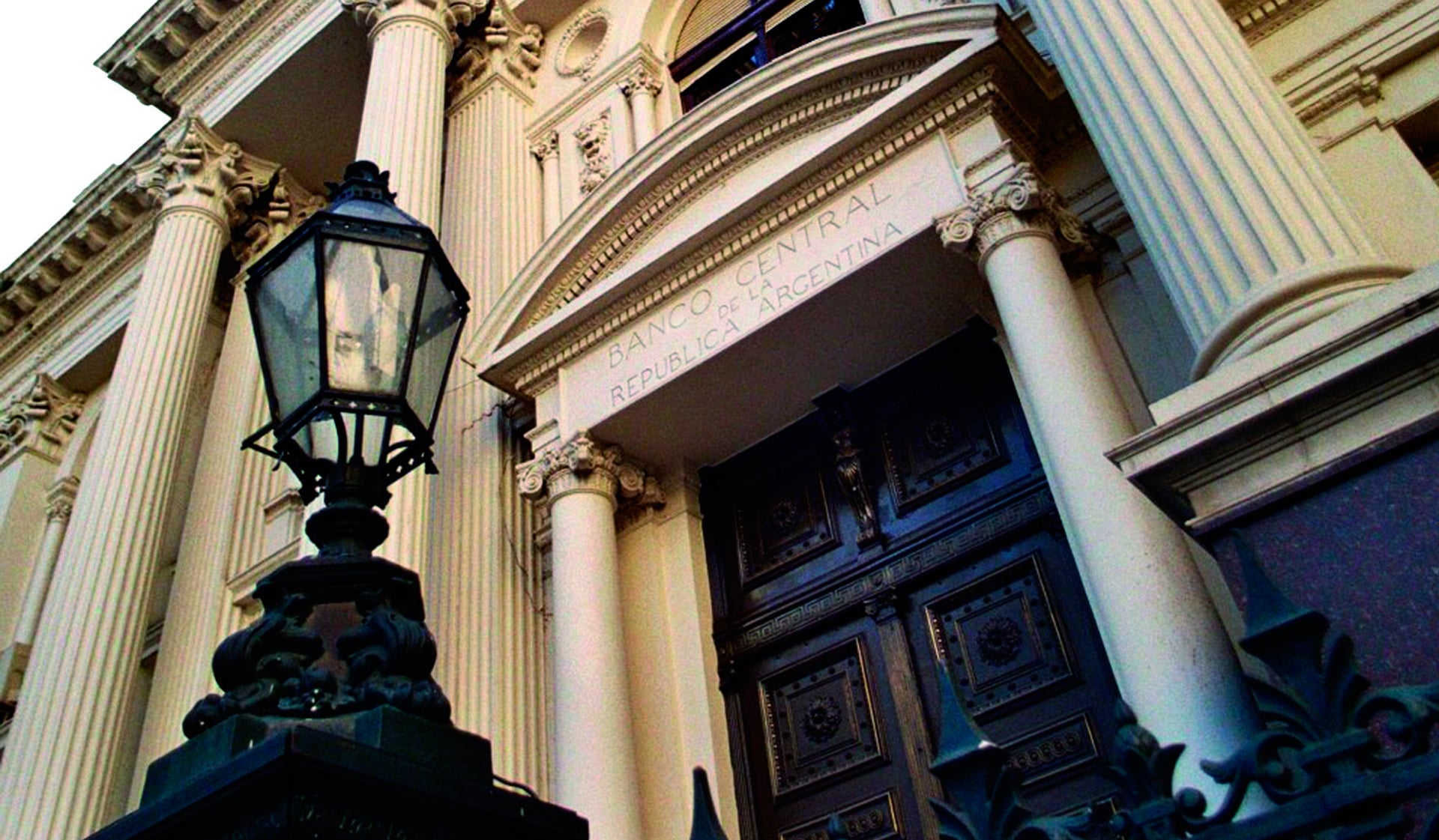
Argentina dollar reserves: what Caputo is building
“Reserves” are simply the pile of dollars (and gold) the central bank keeps in the vault. Countries use them to pay foreign debts, cover imports, and steady their currency when markets get nervous.
José Luis Daza, the deputy economy minister who runs economic policy, laid out the plan at a business event in Rosario. His message was blunt: the bank agreed to buy US$10 billion this year, is already near US$14 billion, and will buy roughly US$10 billion more between now and the vote.
The numbers back him up so far. The bank has bought about US$13.5 billion in 2026, and gross reserves stood around US$49.56 billion on 11 August, just below the US$50.06 billion peak of 5 August.
Is the peso overvalued? The “atraso cambiario” fight
A currency is “overvalued” when it buys more abroad than the local economy really justifies. In plain terms, an expensive peso makes imported goods and foreign holidays feel cheap, but it makes Argentine exports pricey and hard to sell.
In Argentina this worry has a name: “atraso cambiario,” or exchange-rate lag. Critics say Caputo is keeping the peso artificially strong, which could force a painful devaluation later.
Caputo waves the argument away. “If they are going to accuse you of exchange-rate lag at 1,400, they cannot sell you worry at 1,500,” he said in July, arguing that competitiveness comes from lower taxes and costs, not a weaker peso.
His broader pitch is a call for patience: hold the line until the recovery finally reaches ordinary wallets on the street. Whether people feel that improvement before they vote is the open question.
Which election? The 2027 vote, not the midterms
To be clear, this is not about the 2025 legislative midterms — those already happened last October. The “elections” here are the October 2027 general elections, when President Javier Milei will seek re-election alongside a fresh round of congressional seats.
That timing matters. A government with plenty of dollars in reserve can defend its currency and avoid a messy pre-vote crash, which is exactly the kind of drama that has sunk Argentine incumbents before.
Why this matters if you live in or invest in Latin America
If you earn dollars and spend pesos in Argentina, a firm peso is a mixed blessing. Your rent, restaurant bills, and flights in pesos convert into more dollars than they did a year ago, so Buenos Aires feels less of a bargain — a ARS 1,493,000 monthly rent now costs about US$1,000.
For investors, a fatter reserve cushion lowers the odds of a sudden devaluation that would wipe out peso gains overnight. It is one reason Argentine bonds and stocks have drawn fresh interest, though the same strong peso can squeeze local exporters you might be backing.
The risk in defending a strong peso
Here is the catch. Defending a currency is expensive, and the very dollars the bank is buying can be the ones it has to sell if confidence cracks.
Argentina has been here before, spending reserves to prop up the peso only to devalue anyway. If exports stall or inflation refuses to fall fast enough, the “cushion” could deflate quicker than the government hopes.
For now the strategy is holding, and the reserve numbers are real. The test is whether Caputo can keep buying dollars, hold the peso steady, and let voters feel the recovery — all before October 2027.
Frequently Asked Questions
How much will Argentina’s central bank buy in reserves?
Deputy economy minister José Luis Daza said the BCRA will buy about US$10 billion more in dollar reserves before the October 2027 elections, on top of roughly US$13.5 billion already bought in 2026.
What does “atraso cambiario” mean?
It is Spanish for exchange-rate lag — the idea that the peso is being kept too strong (overvalued), which some economists warn could force a painful devaluation later. Caputo rejects the claim.
Which election is this about?
The October 2027 general elections, when President Javier Milei seeks re-election. It is not the 2025 legislative midterms, which already took place.
How big are Argentina’s reserves now?
Gross international reserves stood at about US$49.56 billion on 11 August 2026, just below the US$50.06 billion peak of 5 August, with the official peso trading near ARS 1,490 per dollar.
Sources: Infobae; El Economista; Buenos Aires Herald; Ámbito; El Litoral; Headtopics/Infobae (Caputo, July 2026); BCRA data, 11 August 2026.
This article was produced by The Rio Times’ automated newsroom system. How we use AI · Report an error
In depth
Read More from The Rio Times