Argentina Fiscal Surplus Holds in August as Spending Grows Faster Than Revenue
Economy · Argentina
Key Facts
- —What happened Argentina’s national government posted an August surplus of 1.99 trillion pesos (about US$1.31 billion) before debt interest.
- —How big a gap Spending grew 32.9% over the year in August, slightly faster than the 32.2% rise in revenue.
- —The real story The dispute over spending shows up in the 2027 budget, which lifts spending 26% while promising a surplus.
- —The catch El Destape reported a cabinet split over spending on 28 September 2026, naming no official who said so publicly.
- —What comes next An International Monetary Fund team opened a third review of the programme in Buenos Aires on 21 September 2026.
Argentina’s fiscal surplus survived August, and the government insists the course will not change. Its own budget for 2027 opens the purse a little wider.
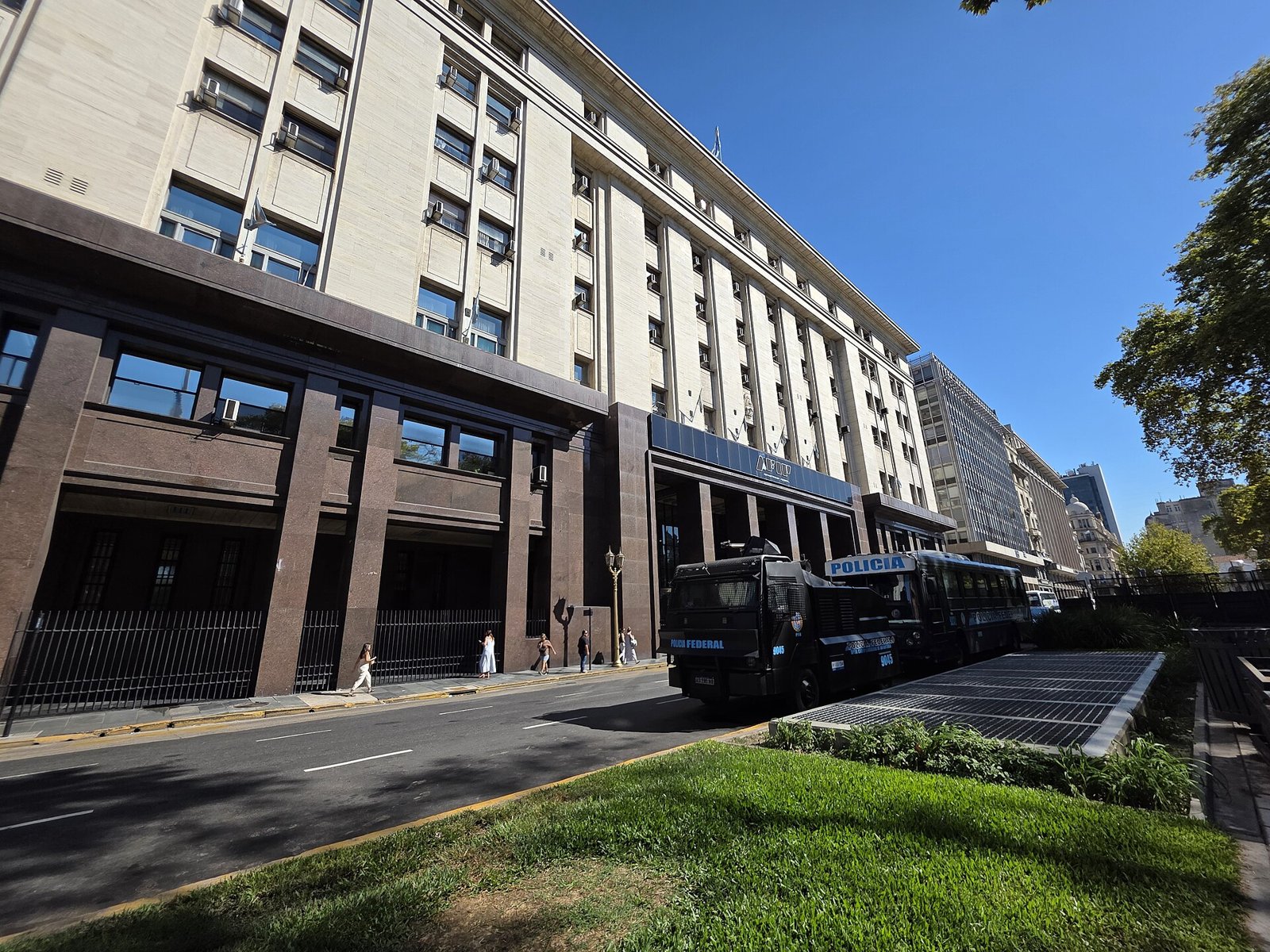
Argentina’s fiscal surplus held again in August. Keeping it is now the sharpest argument inside President Javier Milei’s government.
The national government collected 15.03 trillion pesos (about US$9.86 billion) that month. It spent 13.04 trillion pesos (about US$8.55 billion) before paying interest on the public debt.
That left a primary surplus of 1.99 trillion pesos (about US$1.31 billion). After interest, the overall surplus was 635.5 billion pesos (about US$417 million).
Those are the economy ministry’s own numbers, published by its Hacienda secretariat on 18 September 2026. Peso sums here use the central bank’s official reference rate of 1,524.5 to the US dollar on 28 September 2026.
Argentina quotes several exchange rates, and that is the official wholesale one. Revenue rose 32.2% over the year in August, while primary spending rose 32.9%.
What the government says out loud
Economy Minister Luis Caputo has not shifted a centimetre in public. He told an exporters’ chamber event in Buenos Aires on 15 September 2026 that a fourth straight annual surplus was coming.
The 2027 budget bill carries the same promise. Caputo and cabinet chief Diego Santilli both signed its message to Congress on 15 September 2026.
The bill projects a primary surplus of 15.36 trillion pesos (about US$10.1 billion) for 2027. That is 1.1% of national output, which the text describes as stable against this year.
It also raises primary spending by 26.0% in pesos. The same document assumes consumer prices will rise 18.0% over 2027, so spending outruns the inflation the bill itself forecasts.
One line is deliberately left open. The consultancy Zentrix counts about 7.68 trillion pesos (about US$5 billion) sitting in a treasury account with no fixed destination.
The executive decides where that money goes as the year runs, the newspaper Ámbito reported on 28 September 2026. It is the budget’s own shock absorber.
Where the disagreement is actually visible
On 28 September 2026 the outlet El Destape reported that the cabinet is divided. One group wants relief measures for the middle class; another, led by Milei, says the course is right.
That account rests on unnamed officials. El Destape named nobody who had said it publicly, and reported that both camps claim Caputo’s backing.
What is on the record is narrower and sharper. Patricia Bullrich is a senator for the city of Buenos Aires and leads the governing bloc in the upper house.
She spoke to Radio Rivadavia on 17 September 2026 about the budget’s changes to the disability emergency law. She said she had not been informed, and that the surprise strained relations inside the government.
Santilli waved it away two days later. He told reporters in Buenos Aires that such matters get talked over on Tuesdays, like a football team in the dressing room.
Her complaint was about how the text reached Congress, not about the fiscal anchor itself. That distance is the whole measure of the public quarrel so far.
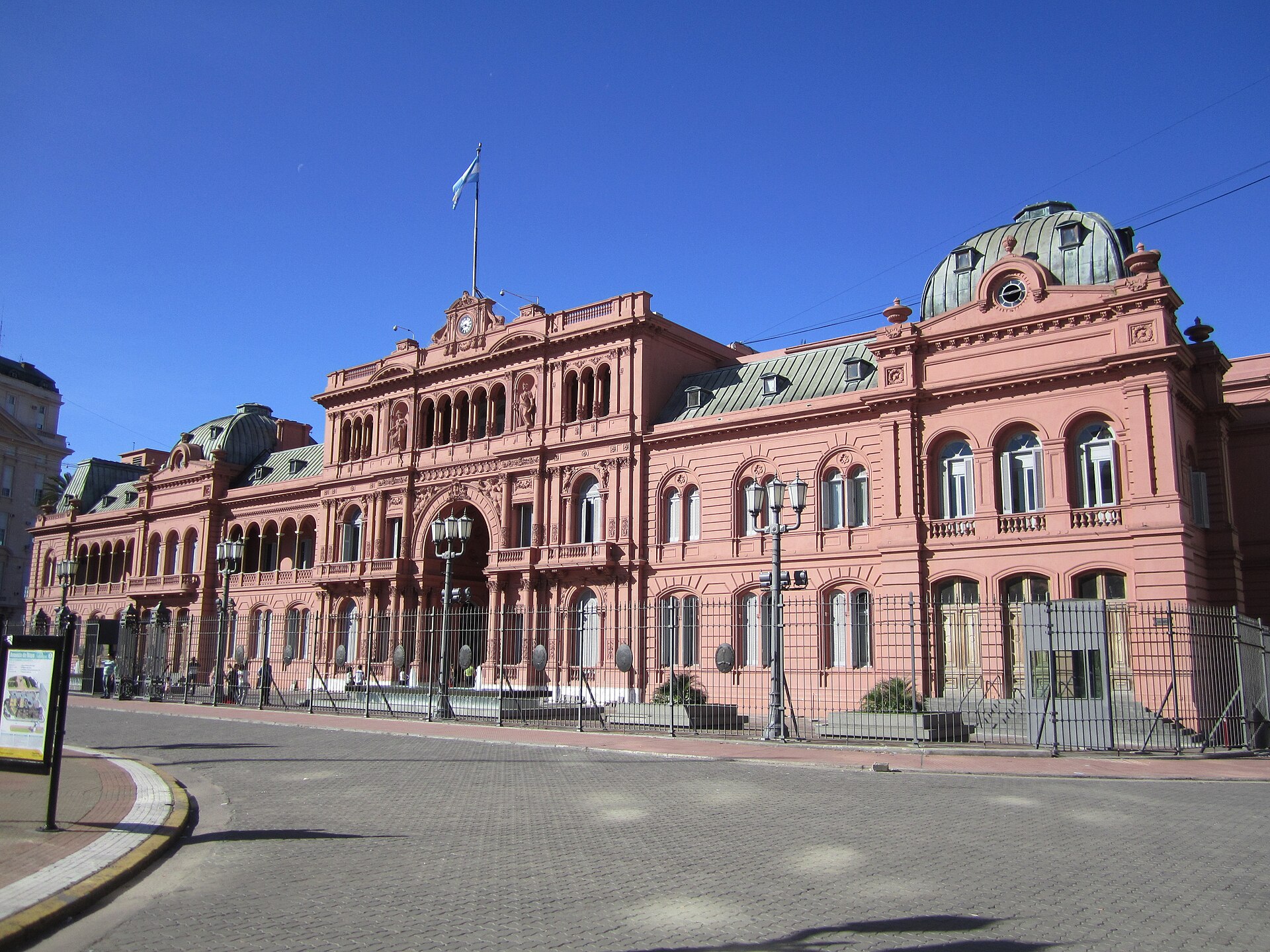
The economy behind the argument
The pressure to spend is not invented. Activity in July was 1.4% lower than in July 2025, the statistics institute INDEC reported on 24 September 2026.
Against June, stripped of seasonal effects, it fell 2.9%. Trade was down 5.1% over the year and manufacturing 4.6%.
Caputo answered on the social network X, blaming transitory shocks. He listed less gas for industry, rain and snow on building sites, and fewer hours worked during the World Cup.
Investors read the same figures. The country risk premium calculated by JP Morgan reached 642 basis points on 28 September 2026, its highest level this year.
That premium is the extra yield investors demand to hold Argentine debt rather than United States debt. Each 100 points is one percentage point of extra interest.
The consultancy PxQ, run by former deputy economy minister Emmanuel Álvarez Agis, tied the move to two things. It cited a cooler global market and fresh questions about how the treasury funds itself in 2027.
What the IMF programme requires
Argentina is inside a four-year programme with the International Monetary Fund, the Washington lender of last resort for governments. The US$20 billion facility was approved on 11 April 2025.
The Fund’s board completed the second review on 21 May 2026, releasing about US$1 billion. In the papers for that review the government wrote its target down in plain terms.
It is a primary surplus of 1.4% of national output in 2026. The Fund files that as a performance criterion, a binding condition rather than a soft aim.
A Fund mission opened the third review in Buenos Aires on 21 September 2026. About US$900 million rests on it, Ámbito reported on 20 September 2026.
The government has to show the mission how it reaches that target by December, Ámbito reported. No date has been reported for the Fund’s board to vote.
The other half of the picture
Spending is also far below where it stood three years ago. The Argentine Institute of Fiscal Analysis, led by economist Nadin Argañaraz, expects primary spending to close 2026 near 12.4% of output.
That would be 5.4 points lower than in 2023, the institute said on 13 September 2026. From January to August it ran 32% below the same months of 2023 in real terms.
Both things are true of Argentina’s fiscal surplus at once. The level of spending has fallen hard, and its direction this year has turned gently upward.
Milei leaves this week for a Paris investment showcase with 13 allied provincial governors, Infobae reported on 28 September 2026. Santilli spent September receiving governors in Buenos Aires to ask their support for the 2027 budget.
What it means for a foreign reader
Whether Argentina’s fiscal surplus survives 2027 sets the price of nearly everything else. It shapes the peso, the cost of government borrowing and the credibility of the pitch being made in Paris.
For residents, that chain ends in rents, imported goods and the value of savings held in pesos. For investors in energy and mining, it decides how much of the money promised in Paris ever lands.
Nothing in the August accounts forces a change of course. Nothing in them takes the pressure off either, and the choice still sits in the same three offices.
The September accounts are due next month, and the Fund will report on its own timetable. Until then the budget document is the clearest statement of intent anyone has signed.
More: Argentina coverage, every day from The Rio Times.
Frequently Asked Questions
What is a primary surplus, and why does Argentina talk about it so much?
A primary surplus is what a government has left over when its income beats its spending, before it pays interest on its debt. Argentina uses it as the headline test of discipline because interest payments are large and partly outside the government’s control. In August 2026 the primary surplus was 1.99 trillion pesos (about US$1.31 billion), and the surplus left after interest was 635.5 billion pesos (about US$417 million). Over the first eight months of 2026 the Hacienda secretariat put the primary surplus at about 1.1% of national output.
What does the IMF programme actually require?
Argentina signed a four-year Extended Fund Facility worth US$20 billion, approved on 11 April 2025. In the papers for the second review, completed on 21 May 2026, the government set a target of a primary surplus equal to 1.4% of national output in 2026. The Fund records that as a performance criterion, a binding condition rather than a soft aim. A Fund mission opened the third review in Buenos Aires on 21 September 2026, with about US$900 million at stake according to Ámbito.
Is the Milei government really divided over spending?
El Destape reported on 28 September 2026 that one group inside the government wants relief measures while another, led by President Javier Milei, wants the course held. The report rests on unnamed officials and names no one who has said so publicly; it also reports that both camps claim the economy minister. What is on the record is a narrower quarrel: Senator Patricia Bullrich objected on 17 September 2026 to changes to the disability emergency law written into the budget bill, and cabinet chief Diego Santilli played the disagreement down.
How does Argentina’s fiscal surplus reach an ordinary foreign resident?
Through the exchange rate and the cost of credit, mostly. A government that runs a surplus borrows less and prints less, which over time steadies the peso and lowers the interest the state pays. When investors doubt it, the country risk premium rises, as it did to 642 basis points on 28 September 2026, and the peso weakens against the dollar. That shows up in rents, in imported goods and in the value of anything a resident keeps in local currency.
Sources: Argentina’s Hacienda secretariat on the August accounts, the 2027 budget bill and its message to Congress, the IMF staff report and second review of the Argentine programme, INDEC on economic activity in July 2026, Infobae on Luis Caputo’s remarks of 15 September 2026, El Destape on the reported split inside the cabinet, Canal 26 on Patricia Bullrich’s remarks to Radio Rivadavia, Ámbito on Diego Santilli’s reply, Ámbito on the open line in the budget, Ámbito on the IMF mission and the fiscal target, El Cronista on the IARAF spending estimate, Infobae on Diego Santilli’s meetings with governors, Infobae on the thirteen governors travelling to Paris, Infobae on the country risk premium and the PxQ reading, elDiarioAR on the 642-point reading of 28 September 2026, the central bank’s official exchange rate series
In depth
Read More from The Rio Times