Brazil’s Top Judge Defends Brazil’s Courts Amid U.S. Tariff Dispute
Brazil’s highest judge, Luís Roberto Barroso, has firmly rejected former US President Donald Trump’s claim that Brazil is persecuting ex-president Jair Bolsonaro.
Trump used this accusation to justify a new 50% tariff on Brazilian goods, a move that could cost Brazil billions in lost exports and raise prices for American buyers.
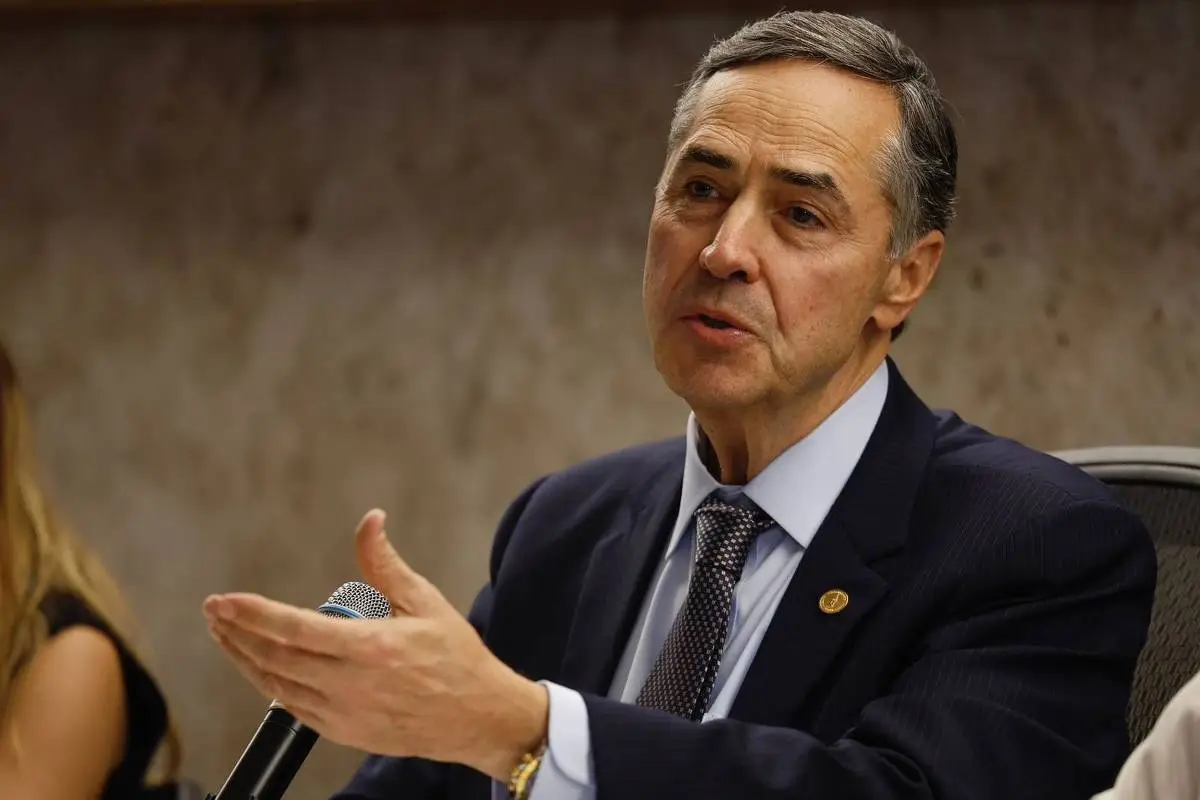
Barroso, president of Brazil’s Supreme Federal Court, responded in a public letter. He explained that Brazil’s courts follow the law and treat everyone fairly, including Bolsonaro, who faces trial for trying to overturn the 2022 election.
Barroso stressed that no one is targeted for their politics and that all court hearings are open and follow strict legal rules. The US is Brazil’s second-largest trading partner.
In the first half of 2025, Brazil shipped about $20 billion worth of goods to the US, including beef, steel, and coffee. The new tariff could push the total tax on Brazilian beef to 76%.
US-Brazil Tariff Clash Escalates
US companies warn that this will drive up prices for beef, coffee, and orange juice, and could hurt jobs in both countries. Brazil’s government says the US tariffs are unfair and not based on facts.
Official US trade data shows the US actually has a $7 billion trade surplus with Brazil. Brazil’s vice president called the tariffs “unjustified” and insisted that Brazil’s courts are independent.
Barroso’s letter also pointed out Brazil’s long struggle for democracy. He said the courts have acted to protect democracy, not attack political opponents.
He reminded everyone that Brazil has held free elections for 40 years and respects freedom of speech. This dispute is about more than just trade. It shows how political arguments can quickly hurt business and ordinary people.
The outcome will affect prices, jobs, and the future of Brazil-US relations. Barroso’s message is clear: Brazil’s courts will keep doing their job, no matter the outside pressure.
More: Brazil news in English, every day from The Rio Times.
This article was produced by The Rio Times’ automated newsroom system. How we use AI · Report an error · Editorial responsibility: Matthias Camenzind, Editor-in-Chief