IBOV 174,586.26 ▲ 0.01% IPSA 11,369.18 ▼ 0.71% IPC MEX 66,191.11 ▼ 0.15% MERVAL 3,024,971 — 0.00% COLCAP 2,504.68 ▼ 0.15% BVL PERÚ 60,449.35 ▲ 0.30% USD/BRL5.15— 0.00% USD/MXN16.96▲ 0.03% USD/CLP921.15▼ 0.05% USD/COP3,118▲ 0.78% USD/PEN3.35▲ 0.18% USD/ARS1,512▼ 0.15% USD/UYU40.18▲ 1.55% USD/PYG5,957▲ 0.99% USD/BOB11.50▲ 1.47% USD/DOP58.01▲ 0.33% USD/CRC450.21▲ 2.07% USD/GTQ7.62▲ 2.21% USD/HNL26.82▲ 0.34% USD/NIO36.62▲ 0.79% USD/VES789.35▲ 0.36% USD/PAB1.00— 0.00% USD/BZD2.00— 0.00% USD/JMD 157.28 — 0.00% USD/TTD6.73▲ 1.10% EUR/BRL6.00▲ 0.03% BRENT 88.88 ▼ 0.03% WTI 83.11 ▼ 0.11% IRON ORE 161.91 — — COPPER 6.61 ▲ 0.03% GOLD 4,461 ▲ 1.78% SILVER 65.59 ▲ 1.26% SOY 1,184 ▲ 3.20% CORN 480.50 ▲ 10.02% WHEAT 655.00 ▲ 3.93% COFFEE 317.25 ▼ 5.51% SUGAR 16.43 ▼ 1.79% ORANGE JUICE 138.55 ▼ 0.47% COTTON 85.03 ▲ 2.33% COCOA 5,719 ▲ 3.18% BEEF 223.60 ▼ 3.93% CATTLE 339.10 ▼ 3.16% LITHIUM 75.20 ▲ 1.47% PETR4 41.64 ▼ 0.05% VALE3 72.97 ▲ 0.83% ITUB4 38.60 ▼ 1.03% BBDC4 16.85 ▲ 0.36% ABEV3 14.89 ▼ 0.80% BBAS3 19.37 ▲ 0.47% B3SA3 14.26 ▼ 0.21% WEGE3 47.59 ▲ 0.49% PRIO3 59.14 ▼ 0.19% SUZB3 41.33 ▲ 2.35% RENT3 34.68 ▼ 0.09% AZZA3 15.89 ▼ 2.63% CSAN3 3.22 ▼ 1.83% RAIZ4 0.25 — 0.00% PCAR3 2.75 ▼ 0.36% GMAT3 3.65 ▼ 1.08% PSSA3 48.13 ▼ 0.54% CVCB3 1.33 ▼ 2.92% POSI3 3.36 ▲ 2.44% SLCE3 13.34 ▲ 0.30% NATU3 8.14 ▼ 0.73% IBOV 174,586.26 ▲ 0.01% IPSA 11,369.18 ▼ 0.71% IPC MEX 66,191.11 ▼ 0.15% MERVAL 3,024,971 — 0.00% COLCAP 2,504.68 ▼ 0.15% BVL PERÚ 60,449.35 ▲ 0.30% USD/BRL 5.16 ▲ 0.01% USD/MXN 17.06 ▼ 0.24% USD/CLP 913.98 ▲ 0.04% USD/COP 3,140 ▲ 0.03% USD/PEN 3.36 ▼ 0.66% USD/ARS 1,493 ▲ 0.10% USD/UYU 40.27 ▲ 1.24% USD/PYG 5,939 ▲ 1.68% USD/BOB 11.64 ▼ 0.76% USD/DOP 58.34 ▲ 1.25% USD/CRC 445.92 ▲ 0.89% USD/GTQ 7.62 ▲ 2.21% USD/HNL 26.79 ▲ 1.57% USD/NIO 36.62 ▲ 0.69% USD/VES 762.44 ▼ 0.13% USD/PAB 1.00 — 0.00% USD/BZD 2.00 — 0.00% USD/JMD 157.28 — 0.00% USD/TTD 6.70 ▲ 0.61% EUR/BRL 5.95 ▲ 1.01% BRENT 88.88 ▼ 0.03% WTI 83.11 ▼ 0.11% IRON ORE 161.91 — — COPPER 6.61 ▲ 0.03% GOLD 4,461 ▲ 1.78% SILVER 65.59 ▲ 1.26% SOY 1,184 ▲ 3.20% CORN 480.50 ▲ 10.02% WHEAT 655.00 ▲ 3.93% COFFEE 317.25 ▼ 5.51% SUGAR 16.43 ▼ 1.79% ORANGE JUICE 138.55 ▼ 0.47% COTTON 85.03 ▲ 2.33% COCOA 5,719 ▲ 3.18% BEEF 223.60 ▼ 3.93% CATTLE 339.10 ▼ 3.16% LITHIUM 75.20 ▲ 1.47% PETR4 41.64 ▼ 0.05% VALE3 72.97 ▲ 0.83% ITUB4 38.60 ▼ 1.03% BBDC4 16.85 ▲ 0.36% ABEV3 14.89 ▼ 0.80% BBAS3 19.37 ▲ 0.47% B3SA3 14.26 ▼ 0.21% WEGE3 47.59 ▲ 0.49% PRIO3 59.14 ▼ 0.19% SUZB3 41.33 ▲ 2.35% RENT3 34.68 ▼ 0.09% AZZA3 15.89 ▼ 2.63% CSAN3 3.22 ▼ 1.83% RAIZ4 0.25 — 0.00% PCAR3 2.75 ▼ 0.36% GMAT3 3.65 ▼ 1.08% PSSA3 48.13 ▼ 0.54% CVCB3 1.33 ▼ 2.92% POSI3 3.36 ▲ 2.44% SLCE3 13.34 ▲ 0.30% NATU3 8.14 ▼ 0.73%
since 2009
Thursday, August 27, 2026

Brazil Politics - Brazil

Brazil’s Investment Goals in Public Education to be Lowered by 2024

By · July 12, 2019 · 3 min read

Daily Brief

The morning intel from across Latin America. Free.

By subscribing you agree to our privacy policy. We never share your email.

RIO DE JANEIRO, BRAZIL – The Minister of Education, Abraham Weintraub, said on Thursday, July 11th, that he will seek to comply with the National Education Plan (PNE), but that he intends to reduce the goal of investing at least the equivalent of ten percent of the Gross Domestic Product (GDP) per year in public education by 2024.
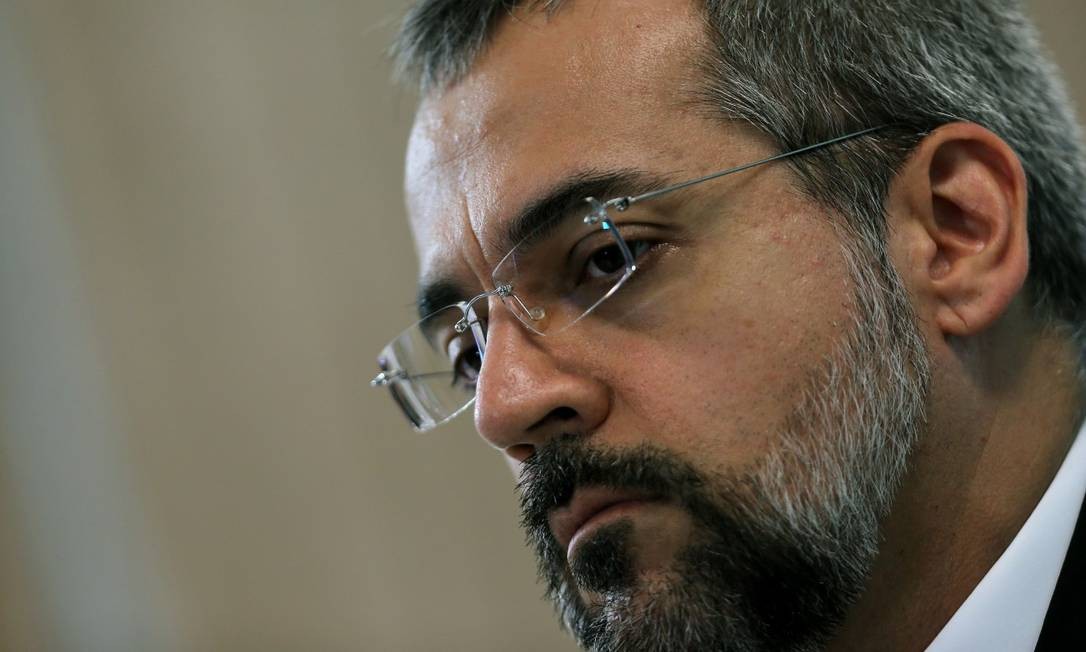
Abraham Weintraub, Minister of Education.
Abraham Weintraub, Minister of Education. (Photo internet reproduction)
One-stop reference
Company Intelligence
Every listed company in Latin America — financials, ownership and structure for 1,450+ companies across 26 exchanges, in one place.
Browse the directory →
RT
Ask Rio Times
This story and the bigger picture.
Open the full Ask Rio Times →

“Raising what is spent means that we will increase Brazil’s taxes by 10 percent. This we can change in the PNE, as I am against increasing tax,” he argued. “[The PNE] needs to be respected. However, paying money also needs to be respected,” he added.

The PNE, enacted into law in 2014, sets goals and strategies to improve education from early childhood through postgraduate and must be fully met by 2024. “We will try to meet the goals, respecting the plan,” said Weintraub. He emphasized the goal of providing universal pre-schooling and ensuring that fifty percent of children under the age of three are enrolled in daycare centers.

According to a report by the 2nd Monitoring Cycle of the National Education Plan Targets (PNE), released last year by the National Institute of Educational Studies and Research Anísio Teixeira (Inep), public investment in education fell from the equivalent of six percent of GDP in 2014 to 5.5 percent in 2015 — the latest available data. Considering public education spending alone, this investment was equivalent to five percent of GDP.

The target set by the PNE is an annual investment equivalent to at least ten percent of GDP in public education as of 2024. The plan also establishes an intermediate investment target of seven percent of the GDP in 2019. According to the report, for the 2019 goal to be reached, an increase of approximately R$ 120 billion in funds for public education will be required.

“With greater efficiency in spending, there is no need to expand to ten percent of the GDP,” said Jânio Carlos Endo Macedo. To change the percentage of investment provided for in the law, a new bill is required, which must be passed by the National Congress. The portfolio has not detailed how it will carry out this change.

FUNDEB

The Ministry of Education (MEC) presented the National Commitment to Basic Education, a document filed Thursday, July 11th, which brings together actions that are being planned by the portfolio to be implemented by the end of this mandate, from daycare to high school.
FUNDEB - Fund for the Maintenance and Development of Basic Education and the Valuation of Education Professionals.
FUNDEB – Fund for the Maintenance and Development of Basic Education and the Valuation of Education Professionals. (Photo internet reproduction)

Weintraub stressed that available funds are limited and that choices must be made. He defended the expansion of funds for basic education through the Fund for the Maintenance and Development of Basic Education and the Valuation of Education Professionals (FUNDEB).

FUNDEB is currently one of the primary sources of funding for schools across the country. It accounts for approximately 63 percent of funding for basic public education in Brazil, according to MEC.

The fund, however, will only run until 2020. The National Congress is discussing proposals to render Fundeb permanent.

Last month, MEC introduced the government’s proposal for Fundeb. The portfolio proposes to increase the federal government’s contribution to FUNDEB to fifteen percent in six years. The federal government currently provides ten percent; municipal and state governments fund the remainder.

Read More from The Rio Times

The Rio Times · Power Map
See who really holds power in Latin America
Click to open the Power Map

Rotate for Best Experience

This report is optimized for landscape viewing. Rotate your phone for the full experience.