Brazil’s Escalating Eviction Crisis: A Reflection of Deep-Rooted Inequalities
Over 1.5 million Brazilians faced evictions or forced removals between October 2022 and July 2024, a 70% increase from the previous period.
This surge traces back to the lifting of pandemic-era eviction bans and highlights broader socio-economic challenges exacerbated by COVID-19.
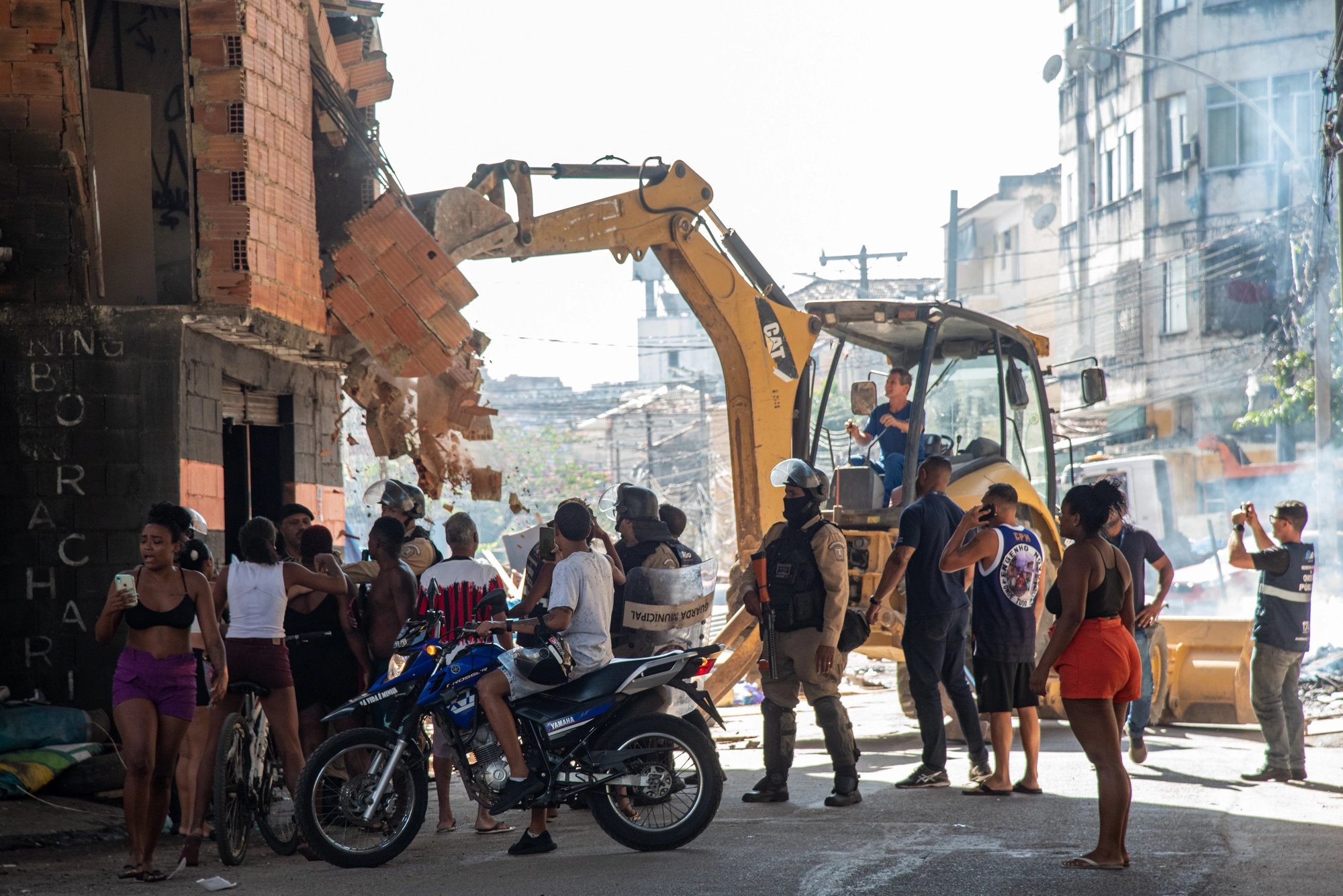
The demographics most affected are as follows: two-thirds are black or mixed-race, over half are women, and nearly three-quarters earn less than two minimum wages.
These figures highlight a housing crisis that disproportionately impacts the most vulnerable populations. They underscore systemic issues of inequality and inadequate social protection in Brazil.
Children and older people face significant impacts, with hundreds of thousands displaced. This situation highlights the urgent need for policies that protect the most vulnerable.
The increase in evictions reflects not only legal and economic shifts but also a failure to address long-standing housing inadequacies.
Regions like São Paulo and Pernambuco are among the hardest hit. Tens of thousands of people are threatened with or have been removed from their homes.
The causes range from property disputes to infrastructure projects that displace communities for the so-called public good.
However, this crisis calls for immediate action, emphasizing the need for effective land dispute mediation and a reevaluation of public projects that could worsen the housing shortage.
Proposals to strip social benefits from those forced to occupy buildings or land only add to the injustice. They punish individuals who are already in dire straits.
In summary, the sharp increase in evictions across Brazil highlights the urgent need to address underlying issues of racial, economic, and gender disparities.
Housing policies and public actions must avoid further marginalizing the vulnerable. They should focus on providing meaningful solutions to the housing crisis.
Read More from The Rio Times
This article was produced by The Rio Times’ automated AI newsroom. Editorial responsibility: Matthias Camenzind, Publisher and Editor-in-Chief. The Rio Times also runs Ask Rio Times, which answers from 100,000+ of our own articles, the daily Latin America Power Map, and prediction-market odds on elections and markets.. How we use AI · Report an error