Brazil’s Crop and Livestock Boom Signals Strong Recovery for 2025 Agribusiness
Brazil’s Ministry of Agriculture projects the country’s gross value of agricultural production (GPV) will reach R$1.41 trillion in 2025, marking an 11% increase from the previous year.
This growth follows a period of stagnation and reflects a significant recovery in both crop and livestock sectors. The Brazilian Institute of Geography and Statistics (IBGE) estimates a record harvest of 323.8 million tonnes of cereals, legumes, and oilseeds, up 10.6% from 2024.
Soybeans and cotton will set new records, with soybean output rising 13.4% to 164.4 million tonnes and cotton up 1.8% to 9 million tonnes. The area harvested will reach 81 million hectares, a 2.4% increase from last year.
Corn production is forecast to hit 124.8 million tonnes, up 8.8%, while rice output will rise to 8.08 million tonnes. Higher prices for corn and strong export prospects have encouraged farmers to expand corn acreage, although late planting in some regions could affect yields.
Family farms play a vital role in this growth, especially in coffee and cocoa. Small producers account for nearly half of Brazil’s coffee output and 60% of cocoa production.
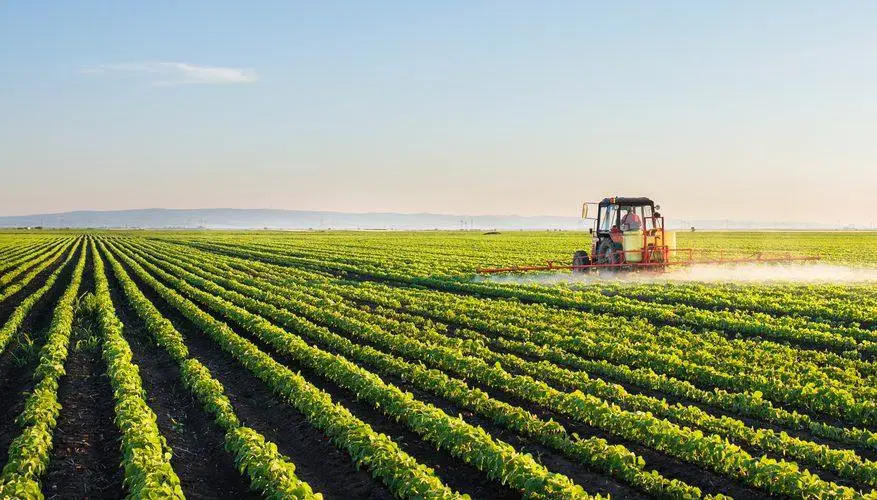
Brazil’s Agribusiness Sector
Coffee production expanded by 46.1%, with family farms employing 1.8 million people. Cocoa output grew by 25%, with 75,000 producers cultivating over 600,000 hectares.
Livestock revenues also show strong gains, rising 12.2% to R$477.1 billion. Beef, poultry, and dairy lead the sector, with cattle farming growing fastest. Milk production increased by 2.2%, and family farms supply more than 60% of Brazil’s milk.
The exchange rate remains favorable for exports, supporting higher revenues. The GPV calculation uses monthly updates based on real prices and production data from IBGE and the National Supply Company (CONAB).
This approach ensures figures reflect current market conditions. Brazil’s agribusiness sector aims for a 5% GDP rise in 2025. The sector’s resilience, supported by diverse crops and livestock, helps shield it from market shocks.
As Brazil strengthens its position as a global food supplier, its ability to balance production growth with market realities will shape both domestic and international markets.
More: Brazil news in English, every day from The Rio Times.
This article was produced by The Rio Times’ automated newsroom system. How we use AI · Report an error · Editorial responsibility: Matthias Camenzind, Editor-in-Chief