Brazil’s Congress Fights Back as Judiciary Claims Supremacy
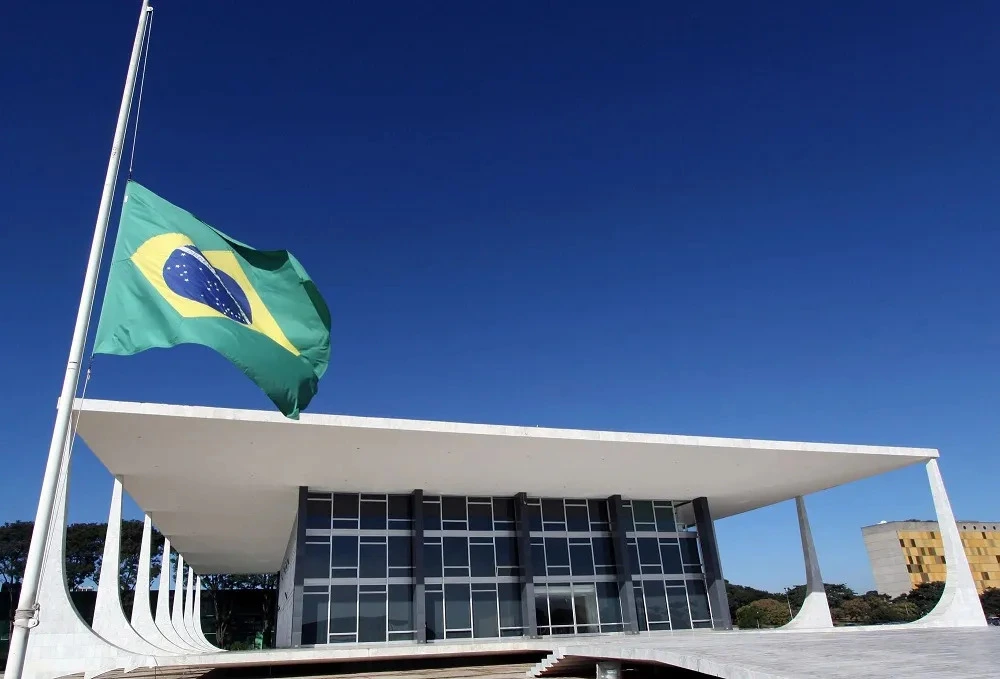
A detailed study uncovers that Brazil’s Supreme Federal Court (STF) issued over 700 rulings impacting parliamentary mandates from 2005 to April 2025, a staggering 1,856% jump from the 36 decisions between 1988 and 2004.
This surge signals a judiciary asserting unchecked dominance, prompting a desperate fight from Congress to preserve its constitutional role and safeguard Brazil’s democratic balance, while businesses eye the instability with concern.
Once cautious during Brazil’s democratic infancy, the STF transformed after the 2005 Mensalão scandal exposed systemic corruption. Emboldened by the Lava Jato investigation, the court now authorizes arrests, searches, and mandate revocations, effectively acting as a political arbiter.
Congress, feeling its authority eroded, battles to reclaim its sovereignty, fearing judicial overreach threatens economic stability. Deputy Alexandre Ramagem’s case highlights this struggle.
Accused of a 2022 coup attempt, Ramagem benefited from a May 2025 congressional vote to suspend his prosecution, invoking constitutional protections.
Yet, Minister Alexandre de Moraes and the STF’s First Chamber overruled this, allowing grave charges to proceed, sparking outrage among deputies who see the judiciary as trampling their rights.
Brazil’s Judicial-Legislative Showdown
Deputy Carla Zambelli’s plight further fuels the fire. Sentenced to 10 years in May 2025 for a 2023 cyberattack on the National Justice Council, Zambelli faces the STF’s push to strip her mandate without a congressional vote.
Deputies, asserting their exclusive right to revoke mandates, view this as a judicial power grab, undermining their democratic legitimacy.
Congress fights back fiercely, advancing a constitutional amendment to limit the STF’s single-judge decisions and proposing fixed judicial terms. Over 90 impeachment requests against justices since 2016 reflect mounting desperation.
These efforts aim to curb a judiciary perceived as acting like monarchs, but the conflict risks destabilizing markets reliant on predictable governance. The STF’s dominance partly stems from Congress’s struggles with corruption and internal disputes, inviting judicial intervention.
However, legislators argue the court exploits this weakness to amass supreme authority. This clash disrupts Brazil’s political framework, deterring investors wary of uncertainty in a key emerging market.
With the 2026 Senate elections looming, Congress seeks greater control to counter judicial overreach, as the Senate holds impeachment powers. The STF’s scrutiny of parliamentary budgets adds friction, threatening fiscal clarity.
Former President Jair Bolsonaro’s call for a stronger Senate underscores the stakes in this existential fight. Brazil’s legislature stands at a precipice, defending its survival against a judiciary asserting unchecked power.
The outcome will shape democratic governance and economic prospects. Businesses, craving stability, watch anxiously as Congress strives to restore balance, ensuring no single branch reigns supreme.
More: Brazil news in English, every day from The Rio Times.
This article was produced by The Rio Times’ automated newsroom system. How we use AI · Report an error
Read More from The Rio Times