Brazil’s Supreme Court: Ideological Coalitions Shape 2025 Decisions
(Analysis) A study from the Federal University of Minas Gerais reveals how ideological coalitions within Brazil’s Supreme Federal Court (STF) shape judicial decisions in 2025.
Shandor Torok, the researcher behind this analysis, applies a methodology originally used for the U.S. Supreme Court to dissect over 1,500 STF cases. His findings show justices forming progressive, conservative, and centrist groups based on case themes.
The STF justices’ leanings influence rulings across various domains. Conservative justices often support business interests and stricter law enforcement.
Progressive justices, meanwhile, advocate for workers, indigenous rights, and environmental protections. Centrist justices balance these views, often swayed by the specifics of each case.
In public safety cases, we see a clear split. Conservative justices like Kassio Nunes Marques and André Mendonça push for broader police powers. Conversely, progressives like Edson Fachin and Flávio Dino focus on limiting force and enhancing oversight.
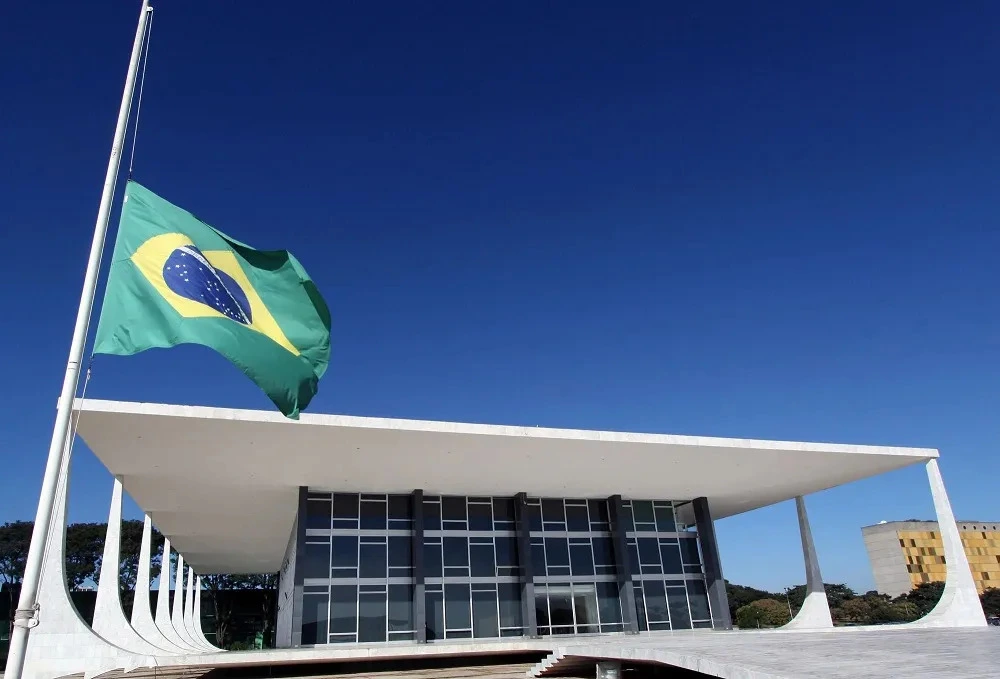
This division was stark in a ruling allowing municipal guards to carry firearms, where conservative arguments prevailed. The Court‘s approach to democracy-related crimes shows near-unanimity.
Navigating Judicial Power Amid Political and Economic Tensions
The STF has taken a hard line against anti-democratic acts, as seen in the trials following the January 8, 2023, Brasília attacks and in revoking a pardon issued by former President Jair Bolsonaro.
Economically, justices like Luiz Fux and Gilmar Mendes favor market liberalism, impacting labor and tax rulings. However, the debate on parliamentary budgetary amendments, led by Flávio Dino, reflects a push for transparency and fiscal responsibility.
The STF will also revisit the Amnesty Law, questioning its relevance to ongoing human rights issues from the dictatorship era. External factors like public opinion and political climate significantly affect judicial outcomes.
This influence was evident when the STF changed its view on second-instance imprisonment during the Lava Jato operation. Such shifts can challenge the Court’s legitimacy, prompting calls for justices to maintain a more technical, less politically influenced demeanor.
Understanding these coalitions and their implications is crucial for stakeholders in Brazil and Latin America, as STF rulings set precedents across the region.
The narrative behind these figures is one of judicial power balancing ideological divides, reflecting broader societal and economic tensions, all under the watchful eye of public scrutiny.
More: Brazil news in English, every day from The Rio Times.
This article was produced by The Rio Times’ automated newsroom system. How we use AI · Report an error · Editorial responsibility: Matthias Camenzind, Editor-in-Chief