Brazil’s Bold Plan: Taxing the Rich to Ease the Middle Class
The Brazilian government has unveiled a daring plan to reshape its tax system. President Luiz Inácio Lula da Silva aims to fulfill a key campaign promise.
He wants to exempt workers earning up to R$5,000 ($1,000) per month from income tax. This move would significantly impact millions of middle-class Brazilians.
Currently, the income tax exemption threshold stands at R$2,824 ($565) per month. Raising this limit would create a substantial gap in tax revenue.
Estimates suggest the government could lose around R$50 billion ($10 billion) annually. To address this shortfall, the administration has proposed a controversial solution.
Finance Minister Fernando Haddad has confirmed the government’s intention to tax millionaires. The plan targets individuals with annual incomes exceeding R$1 million ($200,000).
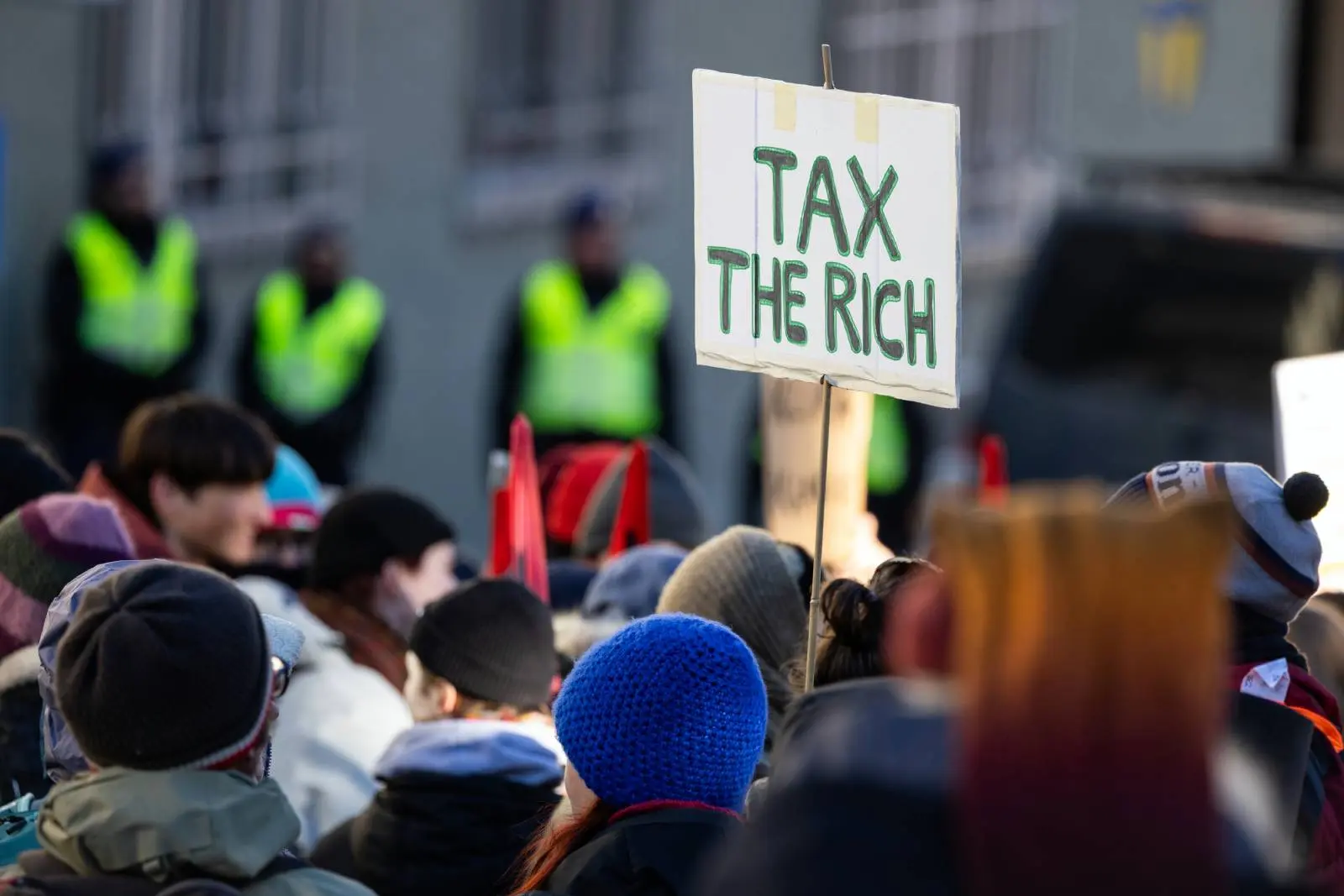
These high-earners would face a minimum tax rate between 12% and 15%. This approach aims to ensure wealthy citizens contribute their fair share.
The proposal seeks to address a long-standing issue in Brazil‘s tax system. Many high-income individuals currently pay proportionally less in taxes.
Brazil’s Tax Reform
This discrepancy often stems from exempt income sources like profits and dividends. The new plan would require wealthy taxpayers to supplement their payments to meet the minimum rate.
Haddad emphasized the government’s commitment to revenue neutrality. The reform should neither increase nor decrease overall tax collection.
This balancing act presents a significant challenge for policymakers. They must carefully calibrate the new measures to achieve their goals without disrupting the economy.
The government has presented four different scenarios to President Lula. These options outline various approaches to implementing the minimum tax on millionaires.
Details remain scarce, but the administration seems determined to push forward with the reform. They aim to align Brazil’s tax system with OECD standards and address economic inequalities.
Critics argue that the proposal could discourage investment and entrepreneurship. They worry about potential market reactions to changes in high-income taxation.
Supporters counter that the reform is necessary to create a more equitable society. They believe it will help reduce the tax burden on the working class.
The timeline for implementing these changes remains uncertain. Haddad has stated that the government prefers a thorough approach over hasty legislation.
This measured pace allows for careful consideration of all potential impacts. It also provides time for building political consensus around the proposed reforms.
As Brazil grapples with these complex issues, the world watches with interest. The outcome of this tax reform could set a precedent for other nations facing similar challenges.
It represents a bold attempt to balance economic growth with social equity. The success or failure of this initiative may shape Brazil’s economic landscape for years to come.
This article was produced by The Rio Times’ automated newsroom system. How we use AI · Report an error
Read More from The Rio Times