Brazil’s Top Court Confronts The Boundary Between Online Speech And Election Sabotage
Brazil’s Supreme Federal Court is weighing a question that many democracies are struggling with: when does a coordinated online campaign stop being protected political speech and become a crime against the constitutional order?
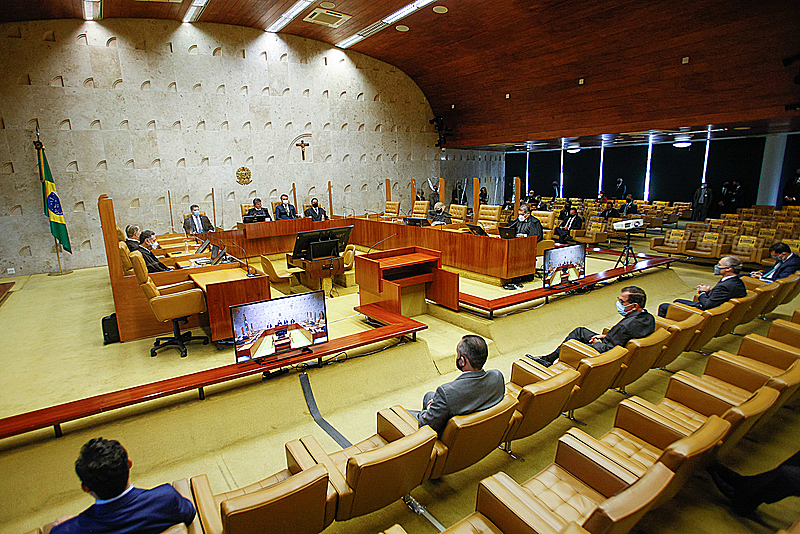
The First Panel is set to decide the fate of seven defendants accused of running a “disinformation nucleus” that worked to undermine the 2022 election and helped feed the unrest of January 8, 2023, when mobs stormed government buildings in Brasília.
The headline name today is Justice Luiz Fux. In September, he read a marathon opinion arguing that ideas—even alarming plans—are not crimes without proof of concrete participation.
He also flagged a delicate evidentiary issue: whether private WhatsApp chats should carry decisive weight in criminal judgments. Observers expect him to apply the same logic now, potentially voting to acquit the entire group.
Prosecutor-General Paulo Gonet takes the opposite view. His case ties the defendants’ online messaging to real-world violence, arguing they knowingly injected falsehoods into the public square to destabilize the country.
The seven on trial include former and reserve military officers and a federal agent—Ailton Gonçalves Moraes Barros, Ângelo Martins Denicoli, Carlos César Moretzsohn Rocha (head of Instituto Voto Legal), Giancarlo Gomes Rodrigues, Guilherme Marques de Almeida, Marcelo Araújo Bormevet, and Reginaldo Vieira de Abreu—highlighting how Brazil’s digital politics often overlap with its security institutions.
Defining the Legal Boundaries of Digital Agitation
The story behind the story is methodological: the court split the sprawling “coup plot” into themed clusters, with this nucleus focused on digital operations. The legal stakes are precise but far-reaching.
If planning plus online agitation is enough to convict, authorities gain a wider berth to curb orchestrated deception. If not, the bar for criminal liability remains high, protecting speech but potentially leaving coordinated disinformation to be tackled by slower tools—platform rules, electoral courts, and public rebuttal.
What happens next matters beyond Brazil. The ruling will set benchmarks for how courts treat private messages, conspiracy-style charges, and the link between digital narratives and street action.
Once the formal ruling is published, defense teams can file short clarifications, but the core legal lines drawn here will guide future cases on the frontier between free expression and democratic sabotage.
More: Brazil news in English, every day from The Rio Times.
This article was produced by The Rio Times’ automated newsroom system. How we use AI · Report an error
Read More from The Rio Times