Brazil Ibovespa Ends Four-Day Slide at 183,828 Points Before the Election
BRAZIL · MARKETS
Key Facts
- —The close The Ibovespa rose 0.46% to 183,828 points on Tuesday 29 September 2026, ending four straight losing sessions, Valor reported.
- —The currency The dollar fell 0.16% to R$5.2166 per US$1 on the spot market on 29 September, after trading between R$5.1968 and R$5.2416 (Valor).
- —Interest rates The January 2029 rate future fell from 13.90% to 13.79% on 29 September (Valor); the Selic policy rate stands at 13.75% (central bank).
- —The outside push The US 30-year Treasury yield reached 5.61% on 29 September, its highest level since June 2002, DF reported.
- —What comes next Brazil votes on Sunday 4 October; a presidential runoff follows on 25 October if no candidate wins over half the valid votes.
The Brazil Ibovespa turned higher on Tuesday afternoon, helped by banks and a calmer message from a senior US central banker. Investors still hedged ahead of Sunday’s general election.
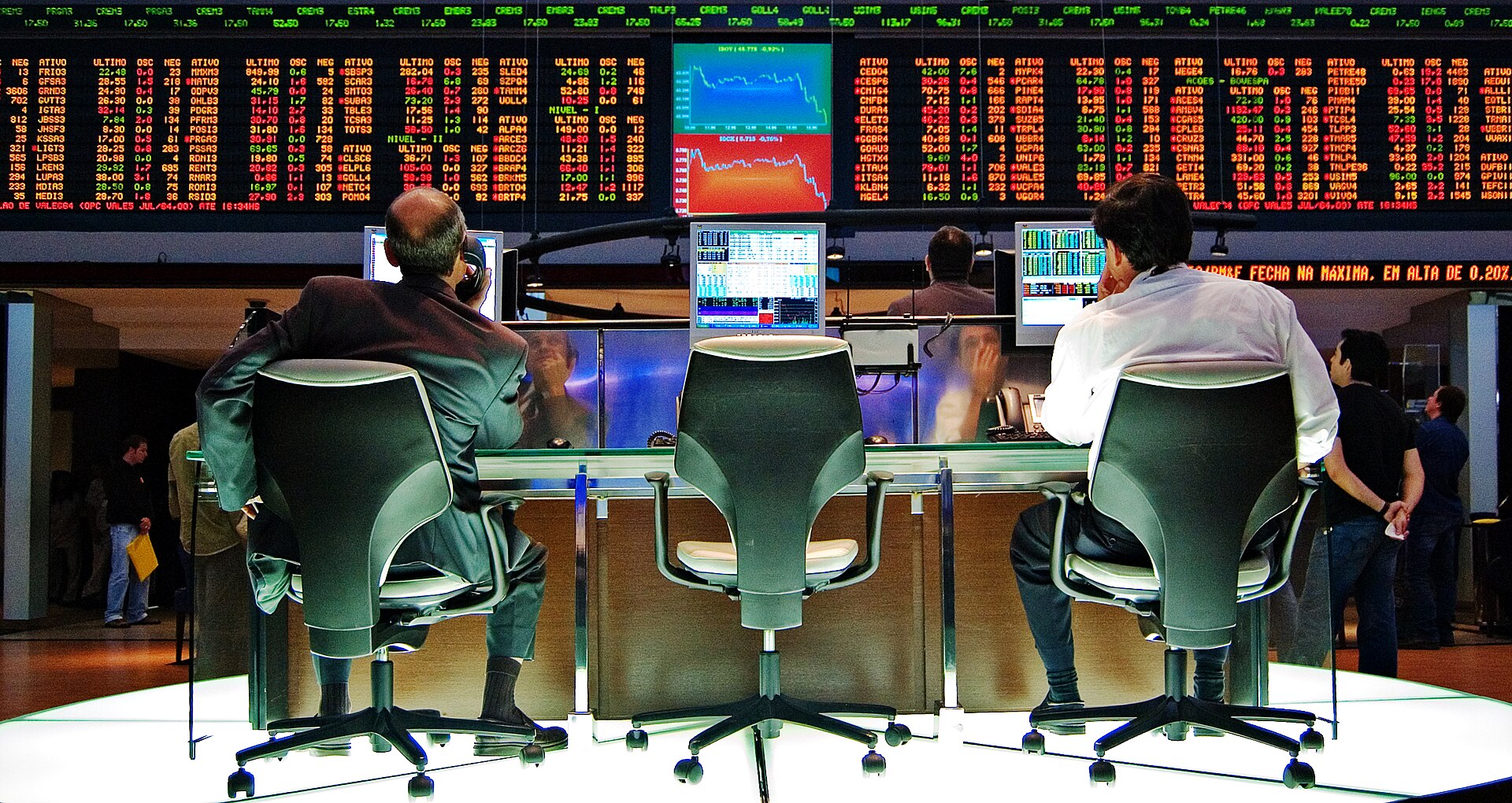
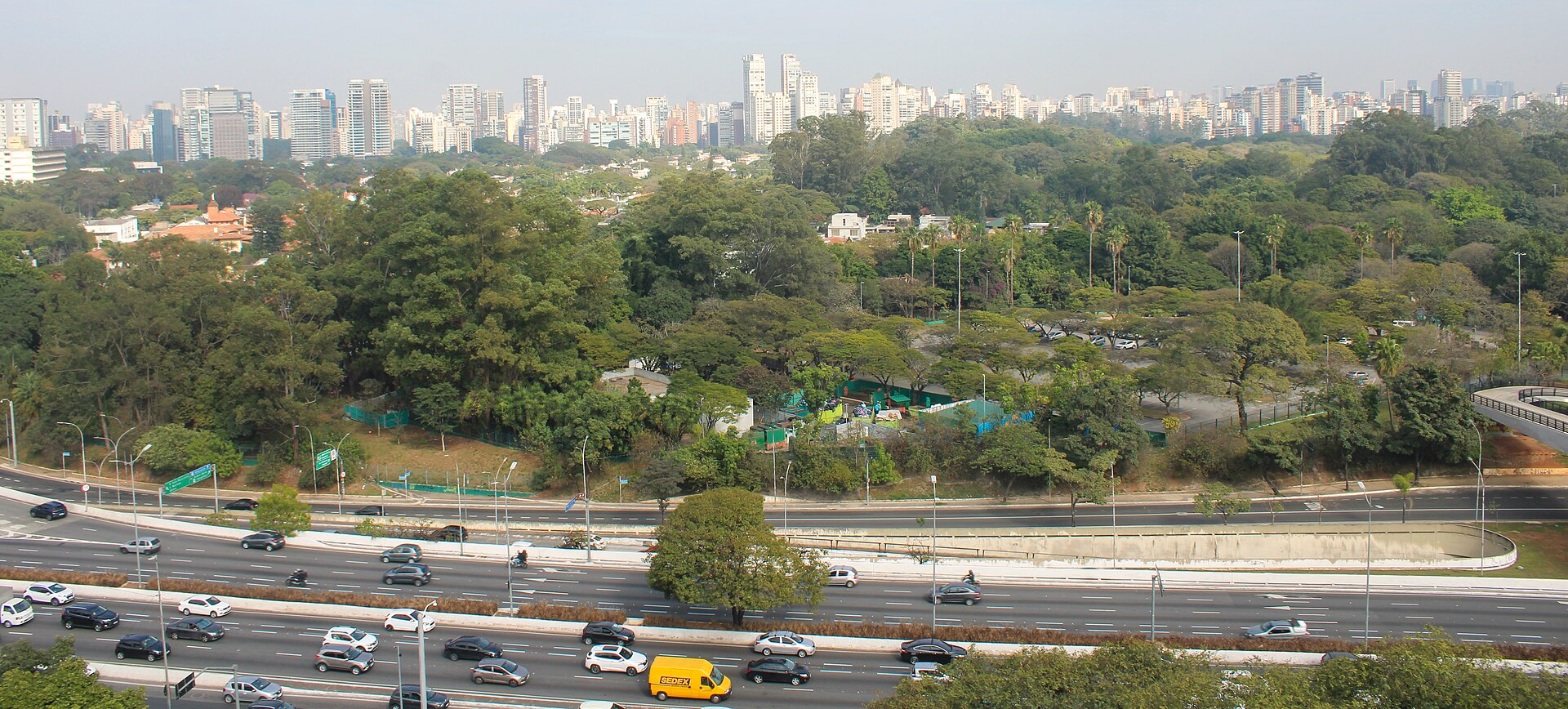
Brazil’s main stock index, the Ibovespa, closed 0.46% higher at 183,828 points on Tuesday 29 September 2026, ending a four-session losing streak. Interest-rate futures fell across the curve and the real gained slightly, five days before Brazil’s general election on 4 October.
A morning slide that turned in the afternoon
The Ibovespa spent the first half of Tuesday lower and touched 181,562 points at its low. It then turned with other emerging markets and closed near its high of 183,951, the financial daily Valor reported.
Banks led the recovery. Banco do Brasil, the state-controlled lender, rose 2.56%, and preferred shares of Petrobras, the state-controlled oil company, gained 0.78%.
Mining held the index back. Vale, the iron-ore producer, fell 2.18%, and steelmaker CSN dropped 9.85% after cutting its 2026 iron-ore output forecast.
The dollar opened lower, recovered during the morning and weakened again in the afternoon. It closed down 0.16% at R$5.2166 per US$1, Valor reported.
Why Washington moved Brazilian prices
The turn came from New York. John Williams, who heads the New York Federal Reserve Bank, saw no need for urgency after this month’s US rate rise.
Valor described the remarks as dovish, meaning less inclined to raise rates. The Federal Reserve, the US central bank, raised rates in September for the first time since 2023, according to DF.
His remarks eased short-term US yields, but long-term yields kept rising. The 30-year Treasury yield reached 5.61%, its highest since June 2002, the Chilean business daily DF reported.
DF, citing the Financial Times, tied the climb to oil-driven inflation, strong US data and US public debt above US$40 trillion. The 10-year yield stood at 5.261% at 4:20 p.m. Brasília time, Valor reported.
Live Market IntelligenceBrazil — Live Market Board
Rio Times · Live Market Intelligence
Brazil — Live Market Board
+0.46%
183,827.59
+0.46%
65,110.57
+0.26%
11,055.91
-0.73%
2,782,561
-0.59%
2,558.92
-0.79%
60,220.45
+0.32%
| Instrument | Last | Change | YoY | Prev. | High | Low | Volume |
|---|---|---|---|---|---|---|---|
| IBOV | 183,827.59 | +0.46% | +21.85% | 182,991.13 | 168,310 | 167,142 | — |
| USD/BRL | 5.16 | +0.01% | -5.13% | 5.16 | 5.18 | 5.14 | — |
| SELIC | 14.00% | — | — | — | — | — | |
| PETR4 | 41.64 | -0.05% | +35.19% | 41.66 | 41.97 | 41.15 | 41,499,400 |
| VALE3 | 72.97 | +0.83% | +30.75% | 72.37 | 73.54 | 72.66 | 17,658,000 |
| ITUB4 | 38.60 | -1.03% | +4.57% | 39.00 | 39.34 | 38.39 | 29,487,800 |
| BBDC4 | 16.85 | +0.36% | +3.50% | 16.79 | 16.90 | 16.67 | 19,416,900 |
| BBAS3 | 19.37 | +0.47% | +0.73% | 19.28 | 19.44 | 19.16 | 11,069,200 |
| B3SA3 | 14.26 | -0.21% | +12.73% | 14.29 | 14.47 | 14.11 | 33,037,800 |
| ABEV3 | 14.89 | -0.80% | +21.91% | 15.01 | 15.07 | 14.81 | 16,453,100 |
| WEGE3 | 47.59 | +0.49% | +29.99% | 47.36 | 48.08 | 47.36 | 3,364,600 |
| PRIO3 | 59.14 | -0.19% | +50.67% | 59.25 | 59.81 | 58.74 | 3,325,600 |
| SUZB3 | 41.33 | +2.35% | -23.55% | 40.38 | 41.48 | 40.35 | 3,914,900 |
| RENT3 | 34.68 | -0.09% | +0.84% | 34.71 | 34.96 | 34.35 | 7,979,100 |
| AZZA3 | 15.89 | -2.63% | -53.76% | 16.32 | 16.42 | 15.82 | 1,330,300 |
| CSNA3 | 4.30 | +0.47% | -42.65% | 4.28 | 4.41 | 4.26 | 10,076,100 |
| GGBR4 | 24.69 | +2.19% | +51.38% | 24.16 | 24.85 | 24.18 | 7,047,600 |
| ENEV3 | 24.21 | -1.38% | +70.49% | 24.55 | 24.64 | 23.99 | 9,297,000 |
How US bond yields travel south
US government bonds set the base price of money worldwide. When they pay more, investors ask more from riskier borrowers, such as governments and companies in Latin America.
By Brazil’s close, that pressure had paused for the real. Chile’s peso fared worse, closing at 973.4 per dollar, its weakest level in 13 months, DF reported.
Argentina also lagged. The Merval, the Buenos Aires stock index, fell 0.6% in pesos, the Argentine outlet El Destape reported.
Country risk, the extra yield investors demand over US bonds, stayed above 600 points. El Destape blamed weak consumption and capital flight, a day after Argentina’s Treasury refinanced all of its maturing peso debt.
Rate futures fall as investors add risk
Brazil’s DI futures, traded on the B3 exchange, show where investors expect interest rates to go. The January 2029 contract fell from 13.90% to 13.79%, and January 2031 from 14.05% to 13.98%, Valor reported.
Valor linked the fall to cheaper oil, the Williams remarks and investors adding risk before the vote. The Selic, Brazil’s benchmark interest rate, stands at 13.75%, central bank data show.
Lower futures matter beyond trading desks. They feed into what Brazilian companies pay for new loans, where Moody’s sees pressure lasting into 2027.
The election in the price
Brazil votes on Sunday 4 October for president, Congress and state governors. A presidential runoff follows on 25 October if no candidate wins more than half the valid votes.
President Luiz Inácio Lula da Silva of the Workers’ Party seeks a fourth term against Senator Flávio Bolsonaro of the Liberal Party. An AtlasIntel poll on Tuesday put Lula about three points ahead in round one, InfoMoney reported.
In a runoff, Bolsonaro led by 0.1 point, a statistical tie.
Regional polls differ: in the southern state of Rio Grande do Sul, a new survey puts Flávio Bolsonaro ahead of Lula.
Jonathan Joo Young Lee, who heads the international desk at broker Mirae Asset, told Valor that foreign investors are cautious. He cited a rise in the Bolsa Família cash-transfer programme and a ban on betting sites.
Foreign money has still come in. Foreigners added a net R$9.4 billion (about US$1.8 billion) to listed Brazilian shares in September up to the 25th, Valor reported.
Nervous, yet calmer than past elections
Brazil’s so-called fear index, the S&P/B3 Ibovespa VIX, closed at a record 32.06 points on Tuesday, Valor reported. It measures expected price swings over 30 days and only began in March 2024.
Actual swings tell a calmer story. A Quantum Finance study cited by Valor found daily Ibovespa volatility this year well below the three previous election cycles.
Trading was thin, at R$20.2 billion (about US$3.9 billion) in Ibovespa shares. Big banks are positioning through options, contracts that pay only if a price moves a set way.
Citi said it had opened such a position on the real, reading a slight edge for Flávio Bolsonaro. Goldman Sachs said it favours options that gain if the dollar falls below R$5 per US$1 within three months.
What it means for residents and investors
For people who earn or save in dollars or euros, the real moved within a band of less than 1% on Tuesday. Options prices signal wider swings around Sunday’s count.
Futures markets price four more quarter-point Fed rate rises over the next year, the Financial Times reported via DF. That keeps Latin American borrowing costs tied to each new US data release.
Citi said it wanted some exposure before a possible rally in Brazilian assets after the first round. Sunday’s count, more than Tuesday’s rebound, is what the options market is pricing.
More: Markets news, every day from The Rio Times.
Frequently Asked Questions
Did Brazilian stocks fall in election week?
The Ibovespa fell for four sessions up to Monday 28 September, then rose 0.46% to 183,828 points on Tuesday 29 September. Banks led the recovery, while mining shares fell.
Why do US Treasury yields matter for Brazil?
US government bonds set the base cost of money worldwide. When their yields rise, investors demand higher returns from Brazilian assets, which can weaken the real and raise local borrowing costs.
When is Brazil’s election and when could a runoff take place?
Brazil holds its general election on Sunday 4 October 2026. If no presidential candidate wins more than half the valid votes, a runoff between the top two takes place on 25 October.
Sources: Valor Econômico — Ibovespa close · Valor Econômico — dollar close · Valor Econômico — DI futures · Valor Econômico — Treasuries and Williams · Valor Econômico — VIX Brasil record · InfoMoney · DF (Diario Financiero) · El Destape · Banco Central do Brasil — Selic target series
This article was produced by The Rio Times’ automated newsroom system. How we use AI · Report an error
Read More from The Rio Times