Brazil Expands to 75 Markets for Farming Products Export
Over the last 10 months, Brazil has remarkably expanded its global reach in the agricultural sector.
The country now exports to 57 additional markets, as the Ministry of Agriculture and Livestock (Mapa) confirmed.
This expansion directly results from Brazil’s strategic efforts in compiling technical information and engaging in international negotiations.
Key achievements in this expansion include the successful entry of Brazilian beef and pork into the Mexican and Dominican markets, respectively.
Brazilian cotton has also found a new market in Egypt, while Chile welcomes Brazilian papaya.
These milestones reflect Brazil’s growing influence in the global agricultural landscape.
Roberto Perosa, the Secretary of Commerce and International Relations at Mapa, emphasized the positive impact of these new market opportunities.
He sees them as avenues for sustainable development, enhancing income and prosperity for both Brazil and its agricultural community.
A significant diplomatic success for Brazil was lifting China’s embargo on Brazilian beef.
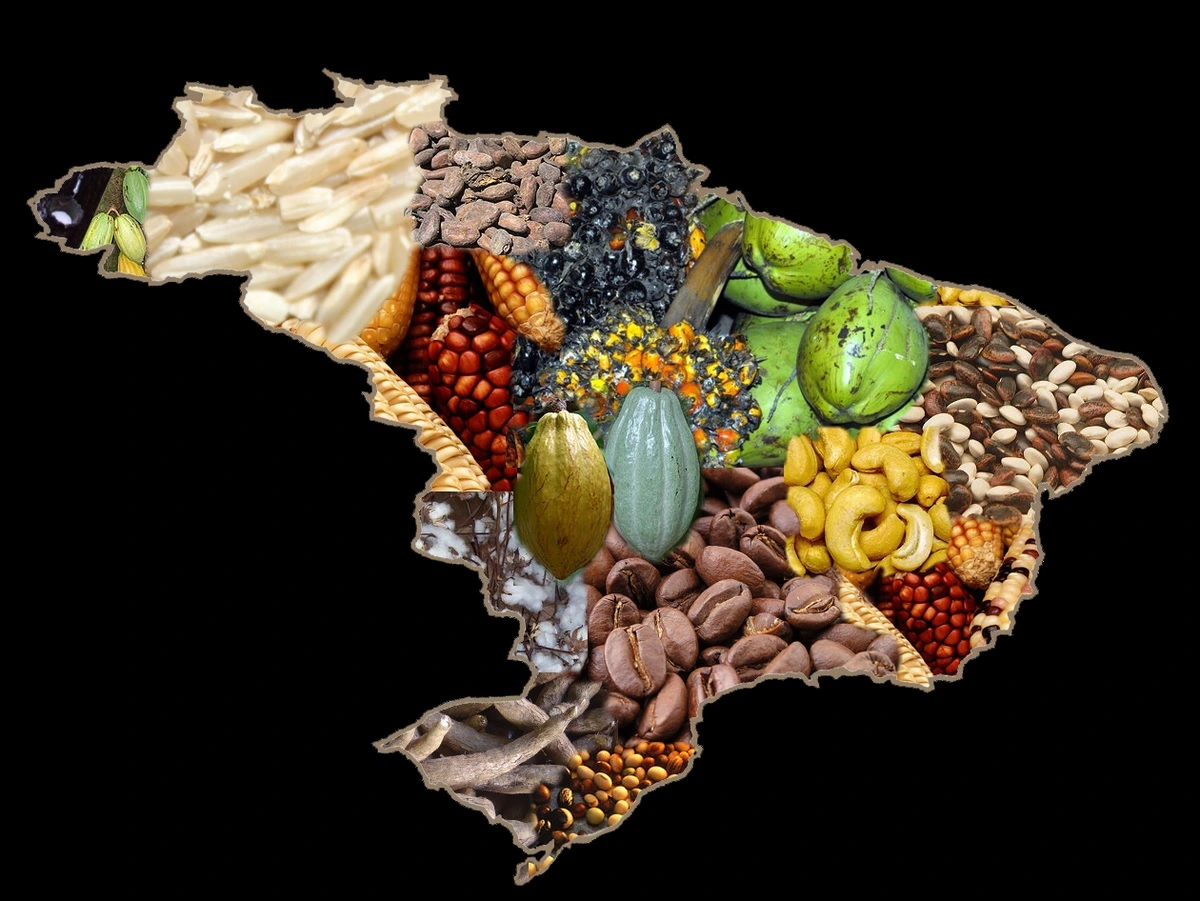
This embargo, a response to an isolated case of Bovine Spongiform Encephalopathy or “mad cow disease,” had previously hindered Brazil’s beef exports.
In another strategic achievement, Brazil secured official recognition for the quality of its cotton in the Chinese market.
Brazil is catching up to the U.S. in cotton exports. Poor weather in Texas hurts U.S. production. Brazil has had a strong cotton season.
Furthermore, the country has inked cooperation agreements with Chile and Cuba to certify Brazilian exporting establishments.
In the United Kingdom, Brazil has seen a full reinstatement of its establishment qualification system, accompanied by the removal of stringent controls on British inspections of Brazilian animal products.
These developments collectively underscore Brazil’s proactive approach to expanding its agricultural export markets, enhancing its global standing and economic resilience.
More: Brazil news in English, every day from The Rio Times.
This article was produced by The Rio Times’ automated newsroom system. How we use AI · Report an error · Editorial responsibility: Matthias Camenzind, Editor-in-Chief