Brazil Adjusts Economic Growth Forecast Amid Challenges
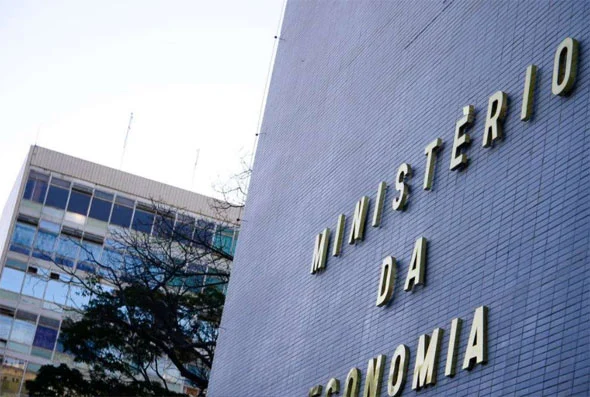
In a dynamic turn of events, Brazil’s economic resilience shines as the Ministry of Finance raises its 2024 GDP growth estimate from 2.2% to 2.5%.
This optimistic update, unveiled yesterday, stems from the Macrofiscal Bulletin by the Secretariat of Economic Policy.
Despite global economic fluctuations, Brazil holds steady with a firm 2.8% growth projection for 2025.
These stable forecasts result from strategic enhancements launched in 2023, including comprehensive tax reforms and effective debt renegotiation initiatives.
Consequently, these adjustments aim to boost productivity and operational efficiencies across Brazil’s economic sectors.
These proactive measures are crucial, theoretically guiding the country toward achieving a zero primary fiscal deficit.
Economists close to the government believe maintaining this trajectory will boost Brazil’s economic sovereignty, enhancing stability and investor confidence.
Others, both in Brazil and abroad, do not share this optimistic outlook and fear that the country’s fiscal issues may soon surface in troubling ways.
In addition, recent challenges in Rio Grande do Sul have introduced a degree of uncertainty.
Contributing 6.5% to the national GDP, this southern state faces severe setbacks from catastrophic floods.
Although significant economic downturns are expected in the next quarter, planned recovery measures should mitigate these effects in the subsequent periods.
Furthermore, the disaster has prompted an increase in the year-end Broad Consumer Price Index from 3.5% to 3.7%.
This adjustment affects prices for essential goods such as meat, rice, and poultry, impacting the average consumer’s budget.
Brazil Adjusts Economic Growth Forecast Amid Challenges
This story isn’t merely about figures; it’s about Brazil’s presumed capacity to navigate both predictable cycles and unexpected challenges.
By bolstering its economic frameworks and responding swiftly to crises, Brazil aims to show how nations can achieve growth and stability in uncertain times.
If this strategy weren’t financed through debt, skeptics might have more confidence in it.
More: Brazil news in English, every day from The Rio Times.
This article was produced by The Rio Times’ automated newsroom system. How we use AI · Report an error
Read More from The Rio Times