Bolivia Risks Default Without New Funding, Warns President Arce
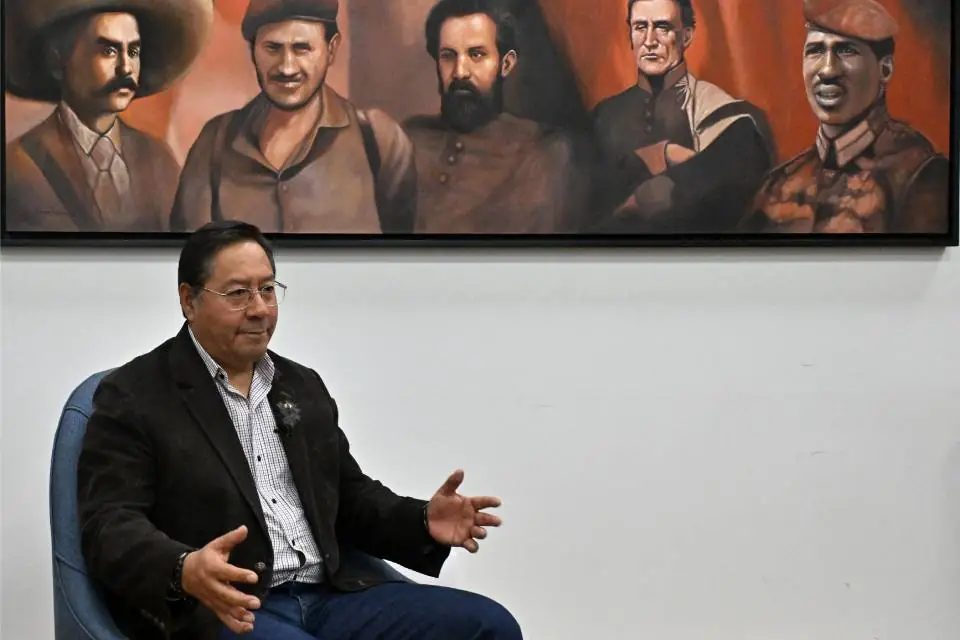
Bolivia faces a severe risk of defaulting on its foreign debt unless it secures new external financing, President Luis Arce told AFP. Official data and international reports confirm that the country’s economic crisis has deepened.
It is marked by surging inflation, depleted reserves, and political gridlock. Inflation reached 10 percent by the end of 2024, the highest in over a decade, with food prices rising nearly 24 percent year-over-year by April 2025.
The International Monetary Fund projects 2025 inflation at 15.8 percent. GDP growth has slowed sharply, with the IMF forecasting just 1.1 percent for 2025. These figures reflect a country under strain from both internal and external shocks.
Bolivia’s external debt stood at $15.3 billion in September 2024. The fiscal deficit surpassed 10 percent of GDP in 2023 and 2024, driven by falling hydrocarbon revenues, increased social spending, and higher interest payments.
The government has relied heavily on the central bank to finance these deficits, as Congress remains deadlocked and refuses to approve new loans from international institutions.
In addition, the country’s dollar reserves have nearly run dry. Importers now turn to the black market, where the dollar trades at rates 50 percent above the official exchange.
This shortage has crippled the government’s ability to import subsidized fuel, leading to widespread shortages. Long lines of vehicles waiting for fuel have become common, and authorities have deployed the military to gas stations to prevent smuggling.
Bolivia’s Crisis Deepens Amid Political Splits and Economic Strain
Political divisions further complicate the crisis. President Arce and former president Evo Morales, once allies, now lead rival factions of the ruling party.
Their feud has split Congress, blocked reforms, and stalled approval of $1.8 billion in new international loans. The opposition, sensing opportunity, has formed a Unity Bloc and nominated prominent business figures for the August 2025 general election.
Meanwhile, the population faces rising costs and economic uncertainty. Road blockades and protests, often linked to political infighting, have disrupted supply chains and contributed to higher prices.
Unemployment has fallen, but underemployment is rising, and real incomes have declined. Credit rating agencies Moody’s and Fitch downgraded Bolivia, citing “critical levels” of external liquidity and increased sovereign credit risks.
Investors now demand much higher interest rates to hold Bolivian bonds, reflecting deep skepticism about the country’s ability to meet its obligations. The government’s optimistic statements about recovery and stability contrast with the hard data.
Despite the recent discovery of a new gas field, international reserves remain critically low, and the outlook for new financing is uncertain. Without a significant policy shift and resolution of political conflicts, Bolivia may face inevitable debt restructuring.
Bolivia’s crisis demonstrates the consequences of prolonged state intervention, political fragmentation, and reliance on commodity exports.
For business and investors, the situation offers a stark warning: political stability and sound fiscal management remain essential for economic health and market confidence.
More: Bolivia news in English, every day from The Rio Times.
This article was produced by The Rio Times’ automated newsroom system. How we use AI · Report an error · Editorial responsibility: Matthias Camenzind, Editor-in-Chief