Côte d’Ivoire: Regional Bank Behind US$4.5 Billion Courts Private Firms
Côte d’Ivoire · FINANCE
Key Facts
- —The country Côte d’Ivoire (Ivory Coast) has about 32.7 million people and an economy of nearly US$100 billion in 2025, roughly three-quarters the size of Kenya’s, according to the World Bank.
- —Why it matters It is the world’s largest cocoa grower and the biggest economy among the eight countries sharing the West African CFA franc, a currency pegged to the euro.
- —Why now Its 2026–2030 national plan counts on private investors for 70.2% of a CFAF 114.8 trillion (about US$197 billion) programme, so firms need far more long-term credit.
- —What happened On Thursday 1 October 2026 in Abidjan, the regional development bank BOAD presented its loans, guarantees and equity tools to Ivorian companies at the national chamber of commerce.
- —The numbers BOAD says it has mobilised more than CFAF 2.6 trillion (about US$4.5 billion) for Côte d’Ivoire since 1973, with about 43% going directly to private firms.
- —What it means for you Foreign-owned companies registered in Côte d’Ivoire with a bankable project can approach BOAD directly or through local banks it refinances.
- —Still open BOAD has not said how much new money it will set aside for Ivorian private firms, or how quickly applications will be processed.
The West African Development Bank says it has mobilised over CFAF 2.6 trillion (about US$4.5 billion) for Côte d’Ivoire. It now wants a bigger share of its lending to reach private companies.
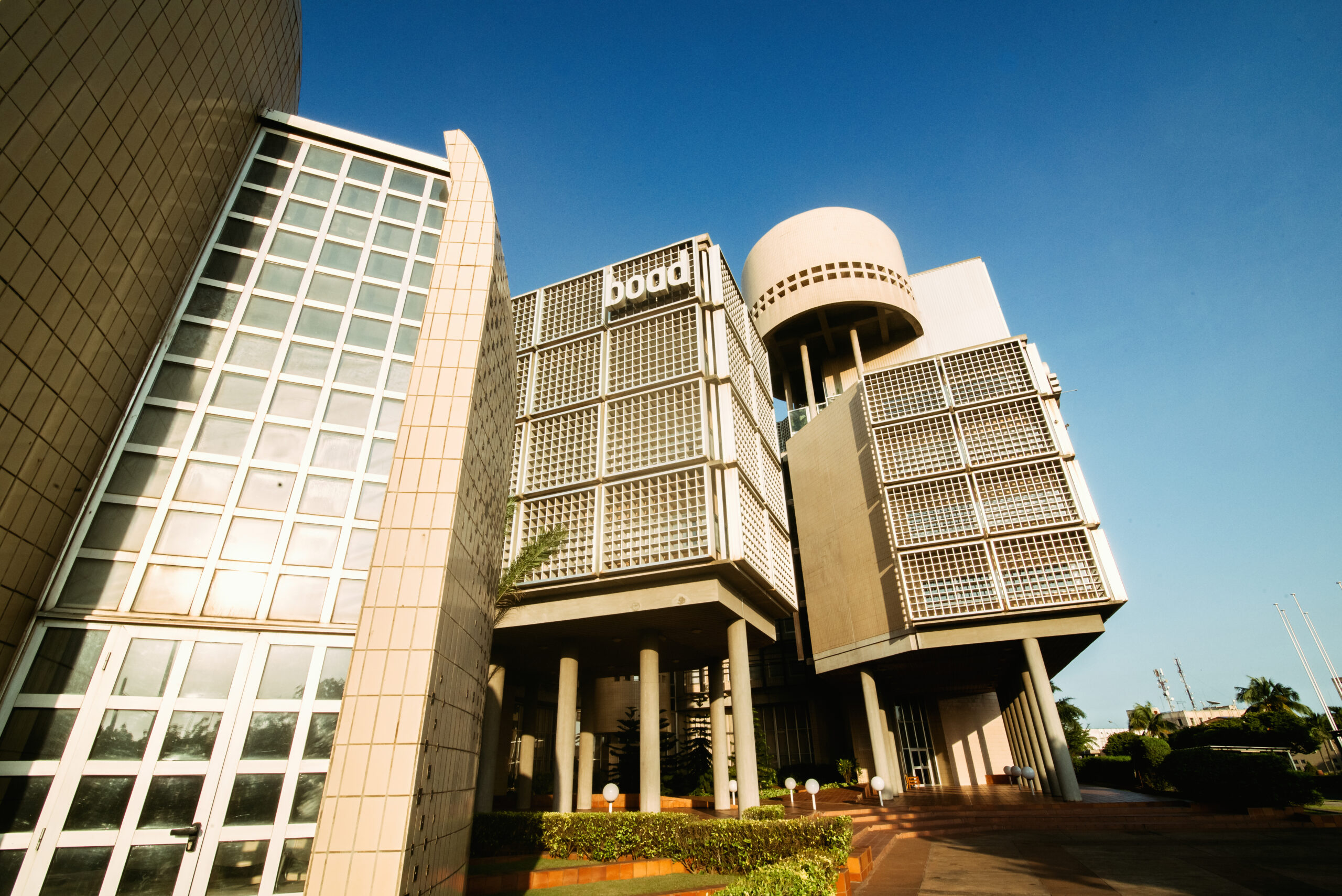
Côte d’Ivoire, the world’s largest cocoa producer, is asking private companies to finance most of its next five-year plan. On Thursday 1 October 2026 in Abidjan, BOAD, a regional development bank, told firms how to borrow from it.
BOAD is the development lender of the West African Economic and Monetary Union (UEMOA), eight countries that share the CFA franc. The franc is pegged to the euro, so currency risk for European investors is low.
A breakfast meeting with a clear message
The session was a breakfast debate hosted by the Chamber of Commerce and Industry of Côte d’Ivoire (CCI-CI), the country’s main business body. Its theme was BOAD’s financing and support for the Ivorian private sector, according to the state news agency AIP.
CCI-CI president Touré Faman said the aim was to help companies understand what lenders demand. He wanted firms to structure their projects better and present “solid and bankable” files, AIP reported.
A representative of the trade and industry minister, technical adviser Lamine Coulibaly, called BOAD money a “windfall to be seized”. He argued that without such regional finance, local firms are exposed to every kind of shock.
What the US$4.5 billion figure measures
The CFAF 2.6 trillion (about US$4.5 billion) is BOAD’s own cumulative total for Côte d’Ivoire since its creation in 1973. It is not a new package, and it is not money raised jointly with the chamber of commerce.
About 43% went directly to the private sector, said Franchy Nago, head of BOAD’s resident mission in Côte d’Ivoire. Lending has also accelerated sharply in recent years.
From 2021 to 2025, BOAD committed more than CFAF 1.1 trillion (about US$1.9 billion) to the country. It committed nearly CFAF 329 billion (about US$565 million) in 2024 and CFAF 350 billion (about US$601 million) in 2025.
In the first half of 2026, nearly CFAF 300 billion (about US$515 million) had already been approved, Nago said. These are BOAD’s own figures and have not been independently audited in public.
Dollar values in this article use the open.er-api.com rate of 2 October 2026, about CFAF 582 per US dollar.
A national plan that leans on private money
Côte d’Ivoire’s 2026–2030 National Development Plan is estimated at CFAF 114.8 trillion (about US$197 billion). The government expects 70.2% of that to come from private investment, according to the official plan monitoring office.
That share explains the courtship of private firms. The state cannot fund roads, power plants, factories and housing on that scale alone, so it needs lenders willing to back companies.
In March 2026, BOAD said it planned to mobilise over CFAF 1.3 trillion (about US$2.2 billion) for the new plan, AIP reported. Thursday’s meeting was about turning that intention into concrete loans to businesses.
What BOAD offers private companies
BOAD’s 2026–2030 strategic plan, called “Djoliba”, puts the private sector at its centre. Nago said the bank wants to rebalance its lending between governments and companies over the five years.
The bank focuses on six areas: energy and natural resources, infrastructure and digital, agriculture and agro-industry, and health and education. Financial institutions and real estate complete the list.
Its tools include direct loans, refinancing through local banks, equity stakes, guarantees and technical help to structure complex deals. Smaller firms usually reach BOAD money indirectly, through the commercial banks it refinances.
The bank’s wider position
At its 152nd board meeting in Lomé on 24 September 2026, BOAD approved CFAF 157.5 billion (about US$271 million) in new operations. Its cumulative commitments since 1973 reached CFAF 10.99 trillion (about US$18.9 billion), Financial Afrik reported.
Côte d’Ivoire’s share of that total is large, which is unsurprising. It is the union’s biggest economy and its main business hub, home to the regional stock exchange in Abidjan.
What it means for foreign investors
For foreign companies already operating in Côte d’Ivoire, BOAD is a possible source of long-term credit in a currency tied to the euro. Projects must be registered locally and meet the bank’s bankability and impact tests.
For outsiders weighing entry, the meeting signals that officials want private capital and are opening doors to it. The harder question is whether enough well-prepared projects exist to absorb the money on offer.
What to watch next
The first test is whether BOAD’s private-sector approvals in Côte d’Ivoire rise visibly in 2026 and 2027. The second is whether private investment keeps pace with the 70.2% share the national plan assumes.
BOAD did not announce a dedicated envelope for Ivorian firms on Thursday. Until it does, the meeting is best read as a sales pitch backed by a long track record.
Frequently Asked Questions
What is BOAD?
BOAD is the West African Development Bank, the regional lender of the eight countries that share the West African CFA franc. It is based in Lomé, Togo, and finances both governments and private companies.
Is the US$4.5 billion a new financing package for Côte d’Ivoire?
No. The CFAF 2.6 trillion (about US$4.5 billion) is BOAD’s cumulative total for Côte d’Ivoire since 1973, according to the bank. About 43% of it went directly to private firms.
How much private investment does Côte d’Ivoire’s plan need?
The 2026–2030 National Development Plan totals about CFAF 114.8 trillion (about US$197 billion). The government expects private investors to provide 70.2% of it.
Sources
- AIP: La CCI-CI et la BOAD s’activent pour le financement des entreprises du secteur privé (1 Oct 2026)
- AIP: La BOAD renforce la visibilité de ses instruments de financement (1 Oct 2026)
- Financial Afrik: BOAD, CCI-CI, 2 600 milliards de FCFA mobilisés (2 Oct 2026)
- Financial Afrik: BOAD 152nd board session (24 Sep 2026)
- PND 2026–2030 monitoring office (gcpnd.gouv.ci)
- AIP: BOAD plans more than CFAF 1.3 trillion for the PND (16 Mar 2026)
- World Bank: Côte d’Ivoire data
This article was produced by The Rio Times’ automated newsroom system. How we use AI · Report an error
LatAm Markets: Live Signals → — real-time movers, turnover leaders and FX across Latin America.
Read More from The Rio Times