Blocked by U.S., China Floods Brazil With Steel-70% of Imports Now Undercut Local Mills
Brazil’s machinery and steel sectors face mounting pressure from U.S. trade barriers and Chinese import surges, exposing vulnerabilities in the country’s industrial strategy.
A 10% U.S. tariff on Brazilian machinery exports threatens $3.6 billion in annual sales, eroding competitiveness against American manufacturers. Meanwhile, China’s steel-blocked from U.S. markets by tariffs-now accounts for 70% of Brazil’s steel imports, destabilizing local producers.
The machinery industry, which imports $4 billion worth of U.S. equipment annually, risks further trade deficits as Brazil’s tax regimes like Repetro and Reporto complicate pricing.
José Velloso of Abimaq notes Chinese machinery imports spiked 34% in 2023, shrinking domestic market share to 54%. “The 10% U.S. tariff undermines our export strategy,” he said. “We compete directly, not complementarily, with U.S. manufacturers.”
Steelmakers face dual threats: a 25% U.S. tariff on Brazilian exports and China’s redirected surplus. Brazil shipped 3.46 million tons of steel to the U.S. in 2024, primarily semi-finished products and specialty wire rods.
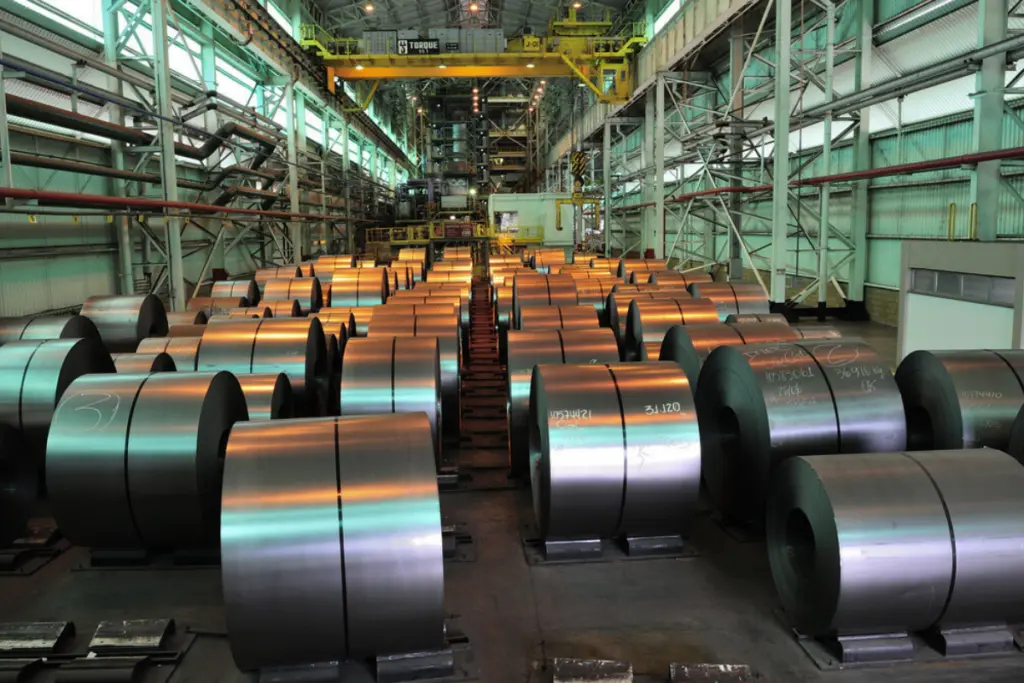
ArcelorMittal Brasil’s Jorge Oliveira warns the loss of 2018-era quotas could cost 700,000 tons in annual production and $1.5 billion in revenue.
Brazil’s Steel Industry Struggles Amid Global Dynamics
China’s 110.7 million tons of global steel exports in 2024 dwarf Brazil’s total output of 34 million tons, with 78% of Brazil’s flat steel imports now Chinese. Domestic steel consumption dropped 12% in early 2025 as cheaper Chinese alternatives flooded the market.
Despite a 25% import tariff imposed in June 2024, Brazil’s steel imports rose 21% year-over-year by March 2025. “The tariff methodology failed,” said Luis Fernando Martinez of CSN. “We need pragmatic defenses, not temporary fixes.”
The Lula administration seeks to revive quota negotiations with the U.S. while resisting retaliatory measures. For machinery, Abimaq proposes tariff escalation to boost local value-added production.
Both sectors warn investment plans-like ArcelorMittal’s $4.9 billion expansion-may stall without policy shifts. Economists project minimal GDP impact (0.01%) but highlight sectoral risks.
With U.S.-China tensions pausing at a 90-day truce, Brazil’s industries brace for prolonged uncertainty. “The real damage isn’t tariffs but market distortion,” Oliveira said. “When global giants clash, smaller economies get crushed.”
More: Brazil news in English, every day from The Rio Times.
This article was produced by The Rio Times’ automated newsroom system. How we use AI · Report an error
LatAm Markets: Live Signals → — real-time movers, turnover leaders and FX across Latin America.
Read More from The Rio Times