Soybean Giant Brazil Secures Poultry, Ethanol Markets in $50B China Trade
Brazil finalized agreements to export five new agricultural products to China during President Luiz Inácio Lula da Silva’s visit last week, expanding a trade partnership now valued at $49.7 billion annually.
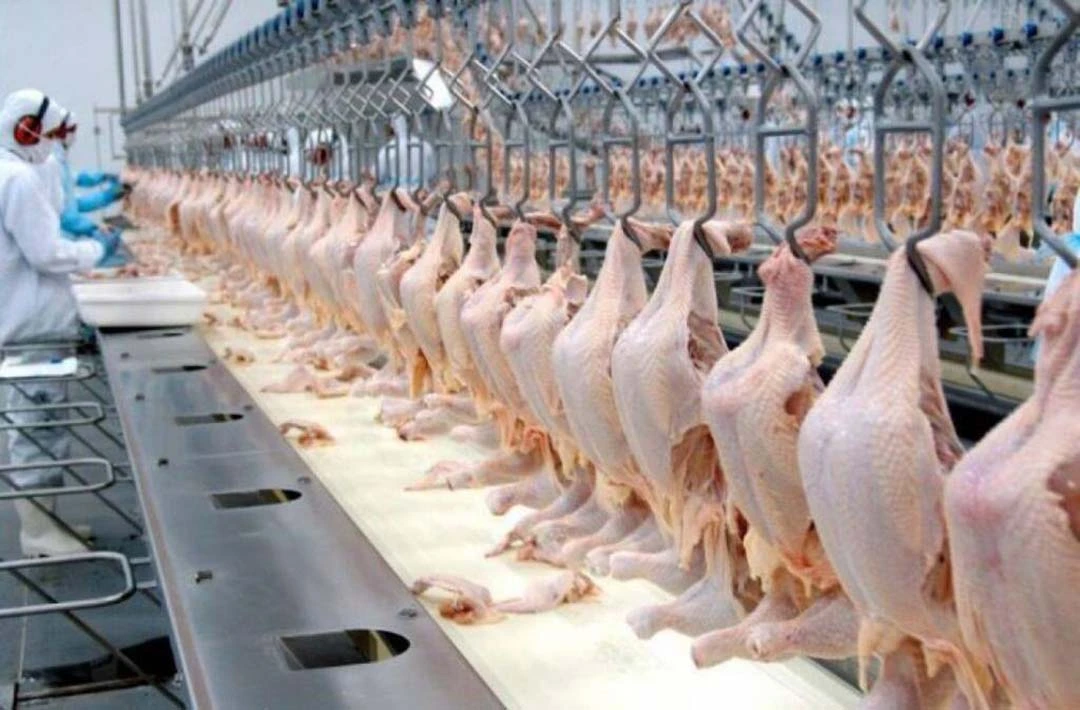
The deals include distillers’ dried grains (DDGs)-a protein-rich ethanol byproduct-alongside peanut meal, poultry offal, duck meat, and turkey meat. China’s General Administration of Customs confirmed the protocols, marking Brazil’s 362nd agribusiness export market since 2023.
DDGs, primarily used in livestock feed, position Brazil to challenge U.S. dominance in China’s $65.7 million DDG import market. The U.S. supplied 99% of China’s DDGs in 2024, but Brazil’s corn ethanol industry aims to capitalize on rising global demand.
Guilherme Nolasco of Brazil’s Corn Ethanol Union noted the deal reflects “shared interests” amid shifting geopolitics. China purchased one-third of Brazil’s agricultural exports in 2024, driven by soybeans, beef, and timber.
Soybeans alone accounted for 77% of Brazil’s $49 billion in sales to China, with shipments projected to hit 110 million tons this year. Tariffs on U.S. goods have accelerated China’s pivot to Brazilian alternatives, particularly in soy, where Brazil now supplies 67% of China’s imports.
The agreements also introduced regionalized trade restrictions for disease outbreaks, replacing blanket bans. If bovine spongiform encephalopathy (“mad cow disease”) emerges, exports would halt only within a radius of the affected area, minimizing disruptions.
Brazil-China Agritech Ties Deepen Amid GMO Talks
Technical talks continue on synchronizing approvals for genetically modified crops. Brazil’s Agriculture Ministry reported 50+ agricultural items under negotiation with China, including machinery and technology partnerships.
Over 150 Brazilian agribusiness representatives recently toured Chinese provinces to study consumer trends, while Chinese tractors and equipment gain traction on Brazilian farms.
Smallholder farmers, responsible for 70% of Brazil’s domestic food supply, face mechanization gaps. Incentives like tariff exemptions and low-interest loans aim to attract Chinese agricultural tech investments.
Meanwhile, farmland values in Brazil’s soybean-rich regions have surged, driven by Chinese demand and favorable exchange rates. As U.S.-China trade tensions escalate, Brazil’s strategic focus on diversifying exports and securing value-added markets underscores its role as a global agribusiness anchor.
The latest deals reinforce interdependence-China relies on Brazilian protein inputs, while Brazil leans on Chinese demand to sustain its agricultural expansion.
More: Brazil news in English, every day from The Rio Times.
This article was produced by The Rio Times’ automated newsroom system. How we use AI · Report an error · Editorial responsibility: Matthias Camenzind, Editor-in-Chief