
CHILE · MINING
Key Facts
- The country Chile is a South American country that mines roughly a quarter of the world’s copper, so its mine labour fights matter abroad.
- What happened BHP, the Australian mining giant, filed a civil suit against the union at its Spence copper mine in Chile on or before Thursday 15 October.
- The claim The suit seeks about 8.45 billion Chilean pesos (about US$8.58 million) for copper output lost to four shifts of stoppages in June and July.
- The trigger The union demanded a bonus of 5 million pesos (about US$5,070) for each member, a payment that no contract provides for.
- Why it matters BHP shares trade in New York, London and Sydney, and Chilean copper feeds the wiring, electric-vehicle and data-centre supply chains US buyers rely on.
- Power Index Chile ranks 3rd of 14 in The Rio Times Latin America Power Index, with 63.6 points (October 2026 edition).
- Still open The union’s formal answer to the suit and the court that will hear the case have not been made public.
BHP, the Australian mining giant, has sued the Chile mine union at its Spence copper mine for about 8.45 billion Chilean pesos (about US$8.58 million). The company says the union halted work for four shifts in June and July without legal basis, cutting copper output.
BHP shares trade in New York, London and Sydney, and Chile supplies roughly a quarter of the world’s copper. Chilean business daily Diario Financiero reported the suit on Thursday 15 October, and BHP confirmed in a statement that it had filed it.
What BHP Is Claiming
The suit is a civil claim for damages against the Chile mine union as an organisation, not against individual members. BHP seeks 8,450,685,270 pesos (about US$8.58 million at about 985 pesos to the US dollar on 16 October 2026) for production it says it lost.
Press accounts of the filing say the figure covers lost profits only. The company may add overtime, transport and lodging costs for replacement staff later, so the claim could grow.
How the Dispute Began
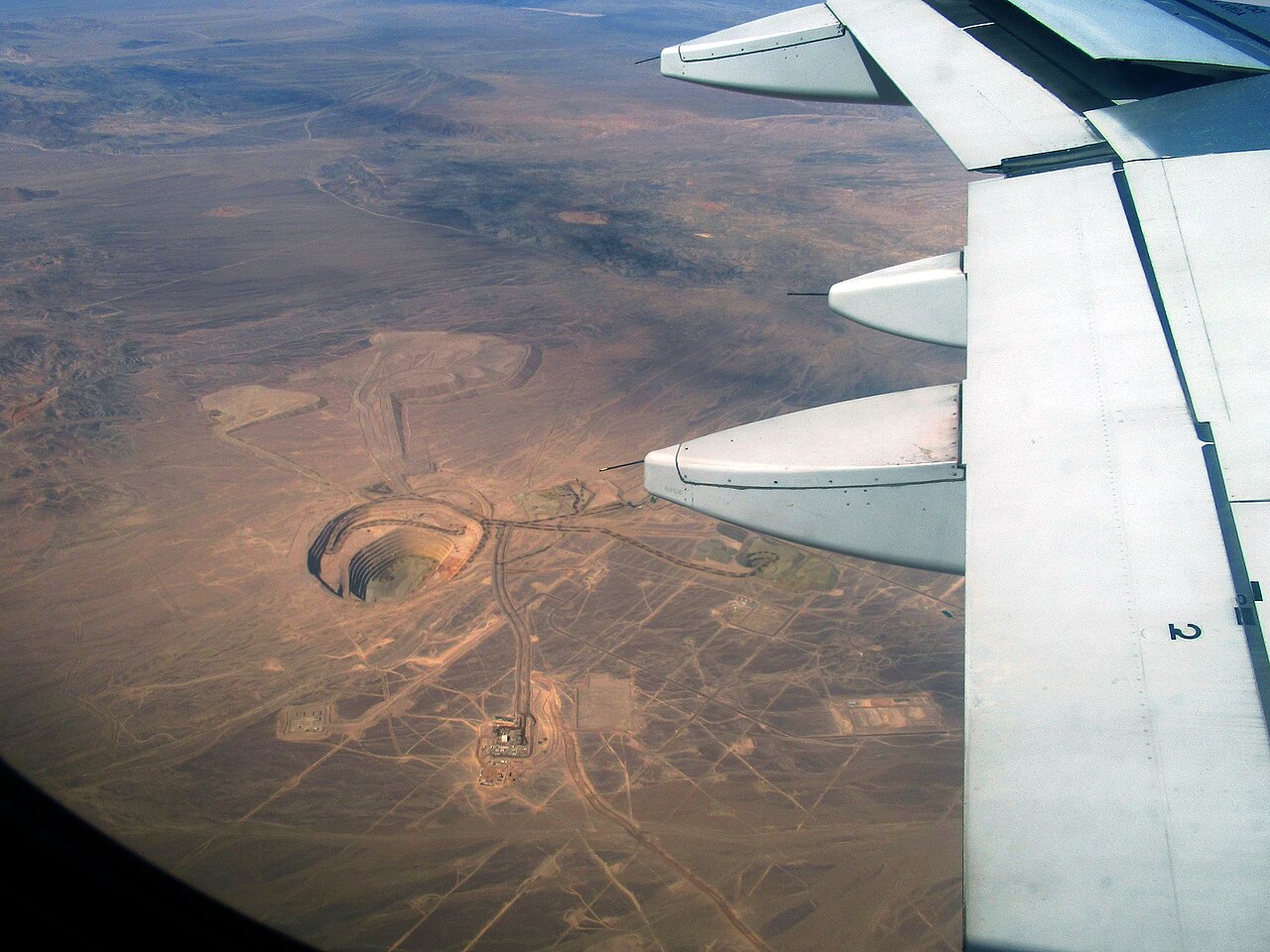
Spence is a copper mine in the Sierra Gorda area of Chile’s Antofagasta Region, wholly controlled by BHP. Reporte Minero, a Chilean mining news site, described it as BHP’s second most important operation in the country after Escondida, the world’s largest copper mine.
The stoppages came near the end of BHP’s financial year on 30 June, when production bonuses are calculated, Diario Financiero reported. The company says members had missed their productivity targets and were not entitled to the related payments.
The Bonus Demand
The company says the union asked for an extraordinary bonus of 5 million pesos (about US$5,070) for each member. It argues that the payment is not part of the collective contract in force or of the members’ individual contracts.
The company calls the stoppages illegal. In Chile, a legal strike normally takes place during formal contract talks, and the company says no such talks were under way.
The Stoppages in June and July
The company says the union stopped work on 30 June and 1 July, and again on 7 and 8 July, four shifts in all. During the first stoppage, workers reportedly left their posts but stayed on site.
BHP says it does not question the right to strike but objects to how the stoppages were carried out. It says neither the company nor the labour inspectorate received a formal strike notice.
The Union’s Side
A union leader linked the action to unresolved safety problems after serious incidents at the mine, CNN Chile reported. The union also pointed to work organisation, productivity targets and the use of subcontractors.
In a letter dated 6 July, the union said the events followed more than a year of proposals that went unanswered. Its reply to the lawsuit itself has not been published.
What It Means for You
For holders of BHP’s US-traded shares, the sum is small next to the company’s size. The case shows how far BHP will go to defend output at a mine it says has produced less than expected.
For companies that buy copper, the risk is supply rather than price, and a Chile mine union with real bargaining power can affect supply. On Wednesday 14 October, Escondida’s supervisors union approved the company’s final offer, so BHP’s two big Chilean mines both made labour news.
What Is Not Known
The court that will hear the case has not been made public, and no hearing date has been announced. The Chile mine union has not said whether it will contest the claim.
Whether a judge will accept that the stoppages were unlawful is open. The company’s lost-profit figure is its own estimate and may change if the claim is expanded.
More: Chile news in English, every day from The Rio Times.
Frequently Asked Questions
Why is BHP suing the Chile mine union?
BHP says the union at Spence stopped work for four shifts in June and July without a legal strike process. It wants about US$8.58 million for the copper output it says it lost.
Is the union’s strike legal in Chile?
The right to strike is protected in Chile, but a legal strike normally follows formal contract talks and a vote. BHP says none of that happened before the stoppages.
Will the dispute affect copper prices?
The suit concerns stoppages that ended in July. Its direct effect on copper supply now looks limited.
Who owns the Spence mine?
BHP controls Spence in full through its Chilean subsidiary, Minera Spence. The mine, where the Chile mine union is based, lies in the Sierra Gorda area of northern Chile.
Sources: Diario Financiero, 15 October 2026; CNN Chile, 15 October 2026; Reporte Minero, 15 October 2026.
This article was produced by The Rio Times’ automated newsroom system. How we use AI · Report an error · Editorial responsibility: Matthias Camenzind, Editor-in-Chief