Venezuela’s Oil Opening Speeds Up as TotalEnergies and Continental Move In
Key Facts
Venezuela is trying to rebuild its oil industry with foreign money, eight months after Nicolás Maduro was seized in a US operation. In three days, a French major signed on and Washington put a price on an American producer’s plans.
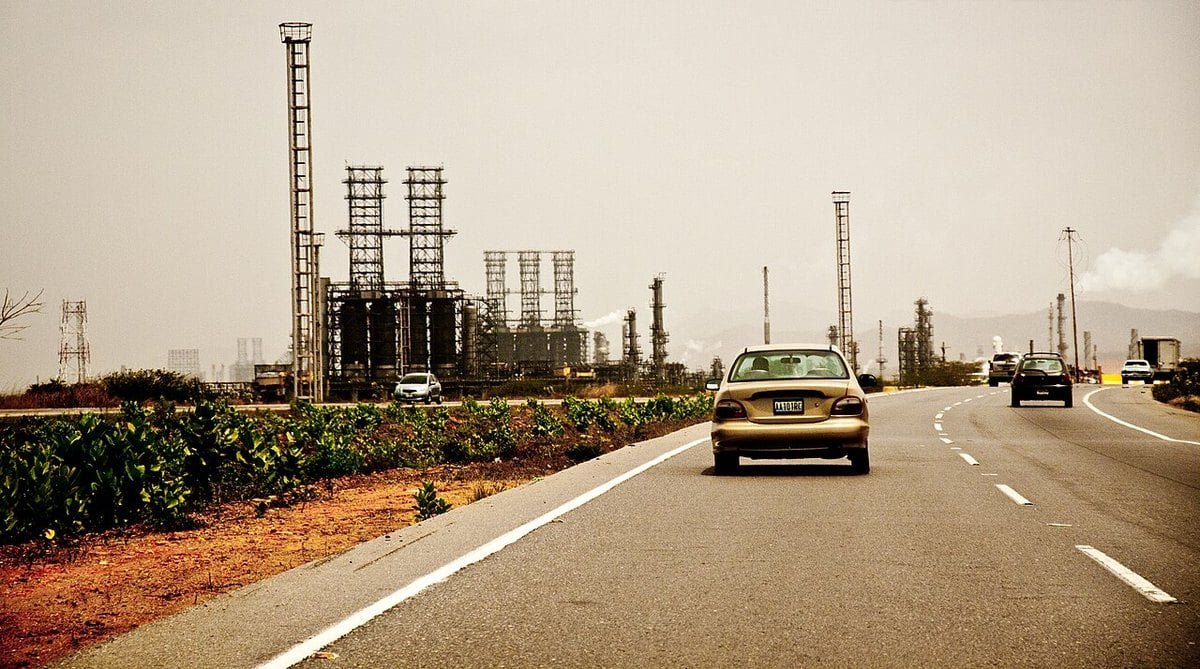
TotalEnergies, the French oil major, signed a cooperation memorandum with PDVSA, Venezuela’s state oil firm, on 19 September 2026. A day later US Energy Secretary Chris Wright said Continental Resources, an Oklahoma oil producer, would invest about US$2 billion.
Why This Matters Beyond Venezuela
Venezuela holds about 303 billion barrels of proven crude reserves, more than any other country. Yet it pumped only about 1.2 million barrels a day in August, US officials said, a third of its 1998 level.
US forces captured Nicolás Maduro, the former president, on 3 January 2026, and he is now jailed in the United States. His vice president, Delcy Rodríguez, was sworn in as acting president two days later on a Supreme Court order.
Since then Washington and Caracas have rebuilt the legal routes for foreign oil companies to return. On 29 January the National Assembly rewrote the hydrocarbons law, letting private firms operate fields directly under contract.
For oil markets, the question is whether this turns into new barrels or stays on paper. For companies, the question is whether contracts signed now will survive a future elected government.
What TotalEnergies Signed, and What It Did Not
The Rio Times reported the signing on Saturday, alongside a visit by Human Rights Watch. What has changed since then is the detail around it, not the document itself.
Héctor Obregón, PDVSA’s president, and Francisco Javier Rielo, TotalEnergies’ senior vice president for the Americas, signed at Miraflores Palace. The TotalEnergies party is a unit called TotalEnergies E&P New Ventures, according to World Oil and Daily Sabah.
No fields, investment sums or timelines were disclosed by either side, according to the same reports. Rodríguez said the new hydrocarbons law had set reliable legal conditions to attract investment.
The company left Venezuela in 2021, handing its 30.32% stake in the Petrocedeño heavy-oil project to a PDVSA affiliate. It booked a US$1.38 billion loss and said Orinoco extra-heavy oil did not fit its low-carbon strategy.
A Reluctant Returnee
Chief executive Patrick Pouyanné had sounded cool on a return for most of this year. In January he said going back to Venezuela was not high on the company’s agenda.
In February he said the old project had been “too expensive and too polluting and that is still the case”. A memorandum does not contradict that stance, because it commits the company to talks rather than spending.
The shift still matters, because Pouyanné had been among the most openly sceptical oil chiefs. Italy’s Eni and US firms including Chevron have announced separate deals in recent weeks, The National reported.
Continental’s Price Tag Comes From Washington
Continental Resources signed its own memorandum with PDVSA on 16 September for the Ayacucho 2 block in the Orinoco Belt. The block covers roughly 126,000 acres in Anzoátegui state, and Continental would hold 100% once a contract is signed.
The company has not published an investment figure, and its release spoke only of a future participation contract. The US$2 billion number came from Wright in an interview with Univision on 20 September, El Nacional and Confirmado reported.
He said the money would go to new wells and higher oil and gas output. “It is an agreement with Venezuela’s government, but one that will endure beyond future Venezuelan governments,” Wright said.
Continental was founded by Harold Hamm, a prominent donor to President Donald Trump, CNBC reported. Our earlier analysis of what Continental actually signed covers the block’s geology and legal terms.
How the Money Flows, and Who Controls It
The larger framework is an accord Trump announced on 28 August covering 17 fields with 65 billion barrels. NPR reported that the United States would control 55% of the new venture’s output through stakes and purchase rights.
Payments do not go straight to Caracas, because PDVSA and the central bank remain under US sanctions. An executive order Trump signed on 9 January holds Venezuelan oil revenue in US Treasury accounts.
The White House says those funds are Venezuelan sovereign property held in US custody, shielded from creditors’ lawsuits. Transfers out of those accounts need authorisation from the US government, according to the order.
The Council on Foreign Relations estimated that oil worth about US$8 billion flowed through the system from January to April. It said about US$3 billion had been authorised for Venezuela by April, but full figures have not been disclosed.
The Gold in London
A second pot of money is also being negotiated, this time held in a London vault. Reuters reported on 18 September that the interim government and an opposition faction were weighing a deal over 31 tonnes of gold.
The bullion, worth about US$4 billion, has been frozen at the Bank of England since a 2019 dispute over who represents Venezuela. The faction is made up of members of the opposition-led legislature elected in 2015, according to Reuters.
It wants a transparency protocol, US oversight and project-by-project approval of spending before gold moves to New York. The Rio Times covered the proposed transfer when it was first reported, and no deal has been announced since.
Rodríguez Takes the Case to New York
Venezuela’s communications ministry confirmed on 20 September that Rodríguez will represent the country at the UN General Assembly. The last Venezuelan head of state to attend was Maduro in 2018, Cooperativa and Infobae reported.
She is due to meet Trump in New York on Tuesday, the first US-Venezuelan leaders’ meeting since 2015. The Rio Times has set out what is known about that meeting.
Rodríguez has no electoral mandate, and no date has been set for a presidential election. Wright told Univision there will be elections, and said the goal was to create the conditions for them.
What It Means If You Invest in or Follow Venezuela
For investors, the signings show direction, but none of them is yet a binding production contract. Any deal still needs US licences, and Washington can revoke general licences at any time.
For companies selling services in Venezuela, payment may depend on funds released from US-held accounts. That puts US policy, not only PDVSA, between the oil field and the invoice.
For residents, new investment could take years to lift output, analysts cited by The National said. The political test is whether a future elected government accepts contracts signed under an unelected one.
What Is Not Yet Known
It is not known which fields TotalEnergies will work on, or how much it plans to spend. Continental has not confirmed the US$2 billion figure or signed its participation contract.
The US government has not published a full account of the oil revenue it holds. No agreement on the London gold has been announced, and a UK court would still need to rule.
The agenda for the Trump-Rodríguez meeting has not been released by either government. Nor is there a date for an election that would give Venezuela’s government a mandate.
Frequently Asked Questions
Did TotalEnergies sign a binding contract with Venezuela?
No, it signed a memorandum of understanding with PDVSA on 19 September. No fields, investment amounts or timelines were disclosed.
How much will Continental Resources invest in Venezuela?
US Energy Secretary Chris Wright put the figure at about US$2 billion. The company itself has not published an investment amount.
Who controls Venezuela’s oil revenue?
Under a January executive order, the proceeds are held in US Treasury accounts as Venezuelan sovereign property. Transfers out need US government authorisation.
Is the London gold moving to the United States?
Reuters reported that talks on moving about 31 tonnes to New York were under way on 18 September. No deal has been announced, and a UK court would need to rule.
Sources: World Oil, TotalEnergies memorandum with PDVSA, Daily Sabah, signatories and Miraflores signing, The National, TotalEnergies deal and other investors, Business Wire, TotalEnergies exits Petrocedeño in 2021, CNBC Africa, Pouyanné on Venezuela, El Nacional, Wright on Continental’s US$2 billion, Confirmado, Wright’s Univision interview, Oklahoma Energy Today, Continental’s Ayacucho 2 memorandum, White House, executive order on Venezuelan oil revenue, Council on Foreign Relations, where the oil money went, NPR, the 65-billion-barrel accord, Reuters via NewsBreak, the London gold talks, Faegre Drinker, US general licences for Venezuela, Cooperativa, Rodríguez to attend the UN General Assembly
This article was produced by The Rio Times’ automated newsroom system. How we use AI · Report an error
Read More from The Rio Times