
ARGENTINA · MARKETS
Key Facts
- The country Argentina is South America’s second-largest economy and a borrower under an International Monetary Fund (IMF) loan programme, led by libertarian President Javier Milei.
- What happened On Thursday 15 October, Argentina’s central bank bought US$182 million, and its gross reserves closed at US$50.040 billion, up US$318 million on the day.
- The numbers The bank has bought about US$15.5 billion in dollars in 2026, including roughly US$915 million in October, its 13th straight day of purchases.
- Why it matters Argentina reserves back the peso and foreign debt, so they shape the risk on Argentine bonds and New York-listed shares.
- The peso The wholesale peso closed unchanged at 1,513 to the US dollar, well below the top of the central bank’s exchange-rate band.
- Power Index Argentina ranks 4th of 14 in The Rio Times Latin America Power Index, with 61.2 points (October 2026 edition).
- Still open How much of the dollar inflow is lasting, and what the IMF decides on the third review of Argentina’s loan programme.
Argentina reserves closed above US$50 billion on Thursday 15 October, after the central bank bought another US$182 million on the official market. The purchase extended a run of 13 straight buying days, the financial news site Ámbito reported.
For US holders of Argentine bonds and New York-listed shares, Argentina reserves show a central bank stacking up dollars while markets stay nervous. Infobae, a Buenos Aires daily, called it the highest level of reserves in a month.
What the Central Bank Bought on Thursday
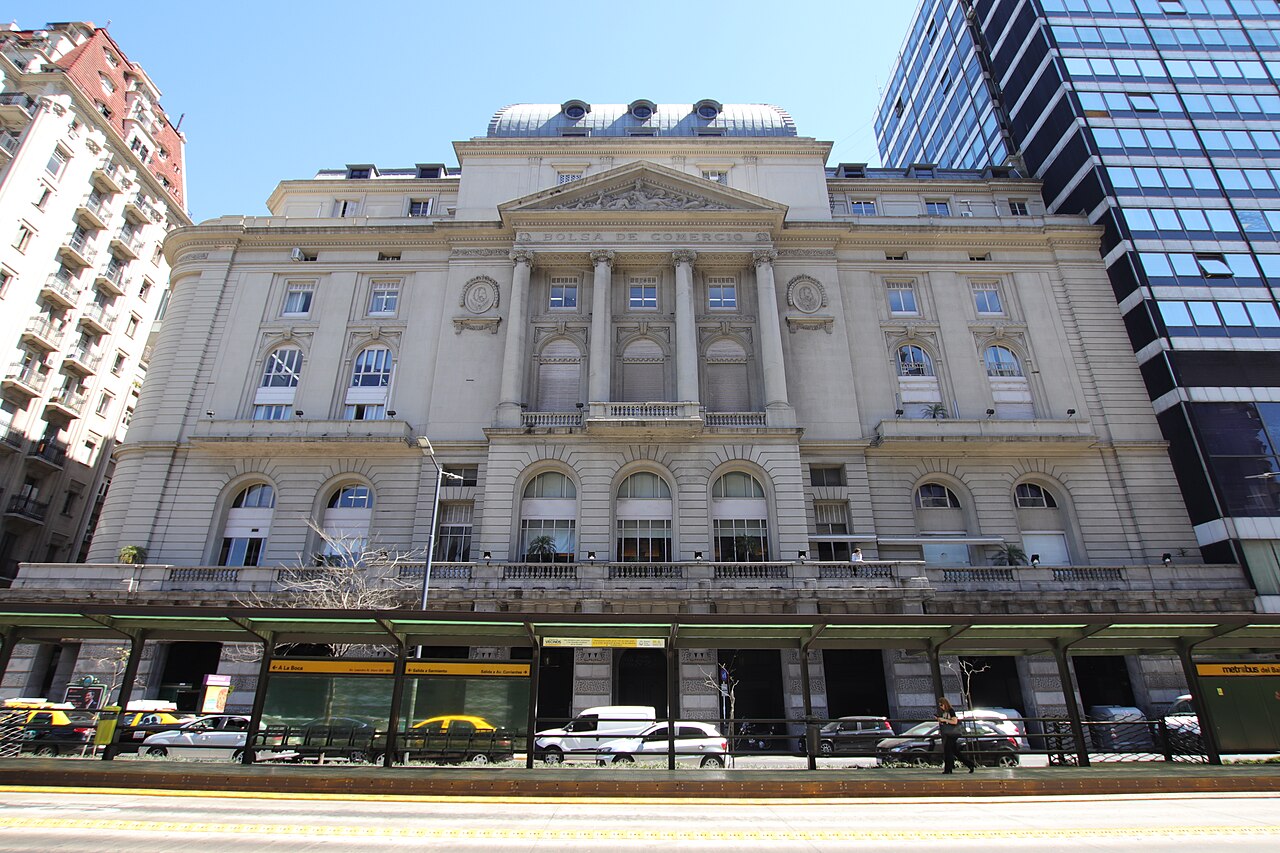
The Central Bank of the Argentine Republic, known as the BCRA and led by Santiago Bausili, bought US$182 million on Thursday. That was its second-largest daily purchase of October, Ámbito reported.
Gross reserves rose US$318 million to US$50.040 billion on Thursday, Infobae and Ámbito reported. Gold prices rose 0.6% and added about US$140 million, so valuation helped as well as buying.
The bank had held US$49.845 billion on Tuesday 13 October, its own data series shows. Argentina reserves then slipped on Wednesday, their first fall in nine sessions, before Thursday’s rebound, Ámbito reported.
The bank absorbed about 36% of the US$510.7 million traded in the spot market, a large share. The site said this could reflect one-off dollar sales such as corporate bond proceeds, though it confirmed no specific deal.
How Much Argentina Has Bought This Year
Since January the central bank has bought about US$15.5 billion, with roughly US$915 million of that in October, according to La Nación and Infobae. The October total already exceeds what it bought in either August or September, Infobae reported.
The October pace of about US$91 million a day is more than four times the US$22 million a day of September, Ámbito reported. Infobae said September’s total of US$473 million was the smallest monthly purchase of 2026.
Our report on the Treasury’s thin dollar balance shows the other side of the picture. The central bank holds Argentina reserves, while the Treasury pays the foreign debt from its own dollar account.
Why Argentine Reserves Matter to Investors
Reserves are the foreign currency, gold and other assets the central bank holds to defend the peso and support payments on foreign debt. Economy Minister Luis Caputo’s delegation is holding meetings with IMF officials on the third review of the loan programme, Infobae reported.
Markets were less calm on Thursday, La Nación reported. Country risk, the extra yield investors demand on Argentine dollar bonds, stayed above 600 points as investors sold riskier assets after a US inflation reading.
Argentine shares listed in New York were mixed that day, La Nación reported. Globant, a software company, rose 6.3% while YPF, the oil company, fell 2.2%.
Our earlier report on the IMF chief’s early-repayment remark covers the political side of the IMF talks. On Wednesday an IMF fiscal official praised Argentina’s budget cuts while urging fewer tax exemptions, Infobae reported.
The Peso Held Steady
The wholesale peso closed unchanged at 1,513 to the US dollar, Infobae and La Nación reported. The central bank’s exchange-rate band caps the rate at 1,935.12 to the dollar, well above that level.
The informal “blue” dollar closed at 1,545 to the dollar, only about 2% above the official wholesale rate. The financial dollar known as MEP closed at 1,532.15 to the dollar, Ámbito reported.
What It Means for You
Investors in Argentine assets now see Argentina reserves with a bigger cushion of dollars than on 5 October, when reserves were US$48.798 billion. Country risk, the extra yield on Argentine dollar bonds, rose to 622 points on Thursday.
Travellers and expats who spend dollars in Argentina face a steady official exchange rate for now. The small gap between the official and informal rates also makes it simpler to know what a dollar buys.
What Is Not Known
No specific deal behind Thursday’s large purchase has been confirmed. The financial news site Ámbito said one-off corporate dollar sales could explain it.
The outcome of the IMF’s third review of Argentina’s loan programme, which is under way, is not yet known. It is also unclear whether the central bank will keep buying at the October pace.
More: Argentina news in English, every day from The Rio Times.
Frequently Asked Questions
How large are Argentina reserves?
Gross reserves closed at US$50.040 billion on Thursday 15 October, up US$318 million on the day. Infobae called it the highest level in a month.
How many dollars has Argentina’s central bank bought in 2026?
It has bought about US$15.5 billion since January, including roughly US$915 million in October. On Thursday 15 October alone it bought US$182 million.
What are gross reserves?
Gross reserves are all the foreign currency, gold and other assets a central bank holds, before subtracting what it owes. Net reserves, which deduct short-term liabilities, are a smaller figure.
Why do Argentina reserves matter to US investors?
Argentina reserves back the peso and foreign debt payments, so they affect the risk on dollar bonds and shares listed in New York. Country risk stayed above 600 points even as reserves rose.
Is the Argentine peso stable?
The wholesale peso closed unchanged at 1,513 to the US dollar on Thursday 15 October. That is well below the 1,935.12 ceiling of the exchange-rate band.
Sources: Ámbito, Las reservas del BCRA volvieron a superar los u$s50.000 millones apoyadas en otra fuerte compra, 15 October 2026; Infobae, El Banco Central volvió a realizar una fuerte compra de dólares y las reservas superaron los USD 50.000 millones, 15 October 2026; La Nación, El riesgo país salta hasta los 640 puntos y se acerca a su valor más alto del año, 15 October 2026; Central Bank of Argentina (BCRA), international reserves series, 16 October 2026; Infobae, El FMI elogió el ajuste fiscal de Argentina al tiempo que reclamó reducir exenciones impositivas, 14 October 2026.
This article was produced by The Rio Times’ automated newsroom system. How we use AI · Report an error · Editorial responsibility: Matthias Camenzind, Editor-in-Chief
In depth