Argentina’s Metal Workers Use Just 39% of Factory Capacity
Argentina · Industry
Key Facts
- —What happened Argentina’s metal-working sector used just 39.2 percent of its factory capacity in July 2026, the lowest rate in years.
- —How big a jump Production fell 4.4 percent year on year and is down 5.5 percent for the first seven months of 2026.
- —The real story Low utilization pushes unit costs above breakeven, squeezing profit margins and forcing persistent job cuts.
- —The catch Figures come from media coverage of ADIMRA’s report; no primary PDF or company/plant data appears.
- —Who it touches Small and medium firms in Buenos Aires province, plus buyers in construction, farming equipment, and oil and gas.
- —What comes next The August 2026 ADIMRA report will show if the slide is slowing; utilization above 45 percent would signal recovery.
A new industry report shows that Argentina’s metal-working sector is running at under 40 percent of capacity, with production and jobs still falling.
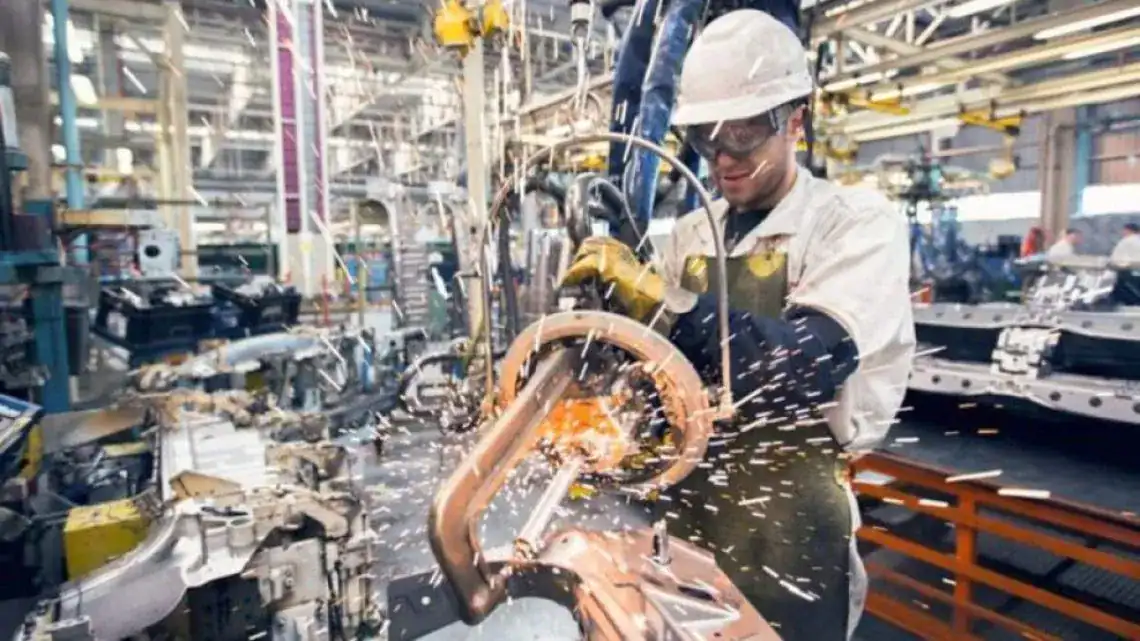
Argentina’s metal-working industry is using only 39.2 percent of its factory capacity. That is the lowest utilization rate in years and a clear sign that demand has not recovered.
What the numbers say
ADIMRA’s July 2026 report is blunt. Production fell 4.4 percent compared to July 2025.
The accumulated drop for the first seven months of 2026 is 5.5 percent.
The utilization rate is a separate measure. It tells you what share of factory machines are actually in use.
At 39.2 percent, the sector is running at less than two-fifths of its potential.
That is six percentage points below July 2025. It means the slide is not just in output volume, but in how much of the installed machinery is being used at all.
Employment is also shrinking. The sector cut 2.2 percent of its jobs year on year.
On a monthly basis, jobs fell a further 0.2 percent.
The report comes from ADIMRA, the metals industry association. Its economic studies department prepared the monthly bulletin, published on 17 August 2026.
Infobae and Pagina/12 both covered the data. No primary PDF of the report was located.
No company names, plant closures, or specific job loss totals appear in the available data. The figures are sector-wide averages.
Who is feeling the pain
Metal-working in Argentina covers a wide range of goods. It includes auto parts, machinery, tools, and structural steel.
When capacity utilization drops, many different suppliers lose orders.
Small and medium firms are often the worst hit. They have less cash to survive long periods of idle machines.
Bigger firms can sometimes shift to export markets, but many smaller ones depend on domestic demand alone.
The sectors that buy metal goods are also struggling. Construction, farming equipment, and the oil and gas industry all buy from metal workers.
If those buyers pull back, the metal shops feel it quickly.
Job losses at 2.2 percent year on year are not catastrophic, but they are persistent. Monthly decline of 0.2 percent suggests the trend has not turned around.
For a worker in Buenos Aires province, the industrial heartland, this means fewer hours or layoffs. For an investor, it shows weak demand for durable goods in Argentina’s economy.
Why capacity utilization matters
Capacity utilization is a simple idea. Imagine a factory with 100 machines.
If only 39 of them run on average, utilization is 39 percent.
Low utilization forces firms to spread their fixed costs like rent and maintenance over fewer units of output. That pushes up unit costs and squeezes profit margins.
At 39.2 percent, the sector is operating well below the typical breakeven point for most factories. That explains why employment is falling even as output declines at a slower pace.
For investors, a low utilization rate usually means no new investment in capacity. It also suggests that any uptick in demand would hit supply constraints quickly only if rates were much higher, which they are not.
Context within Latin America
Argentina’s problems are not isolated. But the metal sector’s figures are worse than in some neighbors.
Brazil’s industrial capacity utilization is higher, although it also faces a 25 percent US tariff on some goods since 22 July 2026.
Chile and Peru focus more on mining, not manufacturing. So their metal sectors are smaller and tied to copper or gold prices.
Argentina’s metal sector is broader but weaker.
Mexico has a large manufacturing base that exports heavily to the US. Argentina lacks that export engine for metal goods.
So its domestic market volatility hits harder.
The real exchange rate matters too. Argentina’s peso trades at about 1487.5 per US dollar (close of 18 August 2026).
That is weak, which helps exports but raises costs for imported inputs.
Still, the report shows no export boom. Production is down, not up.
Weak global demand and high local costs are likely drags.
What to watch next
The next ADIMRA report for August 2026 should show whether the slide is slowing. If utilization stays below 40 percent, expect more job cuts.
Watch the price of steel and other inputs. Iron ore is at 161.91 according to the latest available quote.
If that falls, it might ease cost pressure for metal workers.
Argentina’s government has not announced new industrial support programs. Without a policy response, the sector’s recovery will depend on broader economic growth.
For anyone living in Latin America, this is a sign. When Argentina’s metal sector is weak, it drags on regional supply chains.
Parts made here are used across Brazil and Chile.
Investors should track the monthly utilization number. A rise above 45 percent would be the first real sign of recovery.
Until then, the sector is bleeding.
The full report is not publicly archived online in a primary form. The figures cited here come from coverage by Infobae and Pagina/12, which both referenced the ADIMRA bulletin.
More: Argentina news in English, every day from The Rio Times.
Frequently Asked Questions
What does capacity utilization mean in plain terms?
It measures the share of a factory’s machines that are actually running. If utilization is 39.2 percent, only about four in ten machines are in use on average.
Who publishes the report on Argentina’s metal industry?
ADIMRA, the metals industry association, publishes it monthly. The July 2026 report came out on 17 August 2026, from its economic studies department.
How much did production fall in July 2026?
Production dropped 4.4 percent compared to July 2025. Over the first seven months of 2026, output is down 5.5 percent.
Is the job loss only in metal-working?
The 2.2 percent year-on-year employment drop is sector-specific. It covers metal-working jobs only, not the whole Argentine economy.
Connected Coverage
Brazil Pitches Its Defense Industry to Argentina
Argentina Industry and Construction Surge to End 8-Month Slump
Brazil’s Debt Hits 91.4% of GDP — Third Highest in South America
Sources: infobae.com; noticiastornquist.com.ar; pagina12.com.ar; radioansenuza.com.ar; rosariofinanzas.ar
This article was produced by The Rio Times’ automated newsroom system. How we use AI · Report an error · Editorial responsibility: Matthias Camenzind, Editor-in-Chief