Bolivia’s 12-Ministry Cabinet Shakeup Hits Key Foreign Post
Politics: La Paz
Key Facts
—Reshuffle. President Rodrigo Paz cut his cabinet from 14 to 12 ministries on 3 August, replacing the foreign minister and the minister of the presidency.
—UN break. Samuel Doria Medina’s Unidad Nacional, Paz’s main ally, confirmed a definitive break with the government on 1 August, citing slow governance and weak anti-corruption action.
—New foreign minister. Héctor Huanca, previously a consular-affairs vice minister, was named to lead the Foreign Ministry.
—Central Bank move. The Banco Central de Bolivia said it will buy and sell US dollars through direct operations and auctions to ease a foreign-exchange shortage.
—FX pressure. The parallel-market rate has climbed past Bs 12 per US dollar, and banks recently met about 88% of estimated dollar demand.
The Bolivia cabinet reshuffle ordered by President Rodrigo Paz followed a formal break with his Unidad Nacional ally and coincided with a Central Bank plan to buy and sell US dollars to ease the country’s foreign-exchange squeeze.
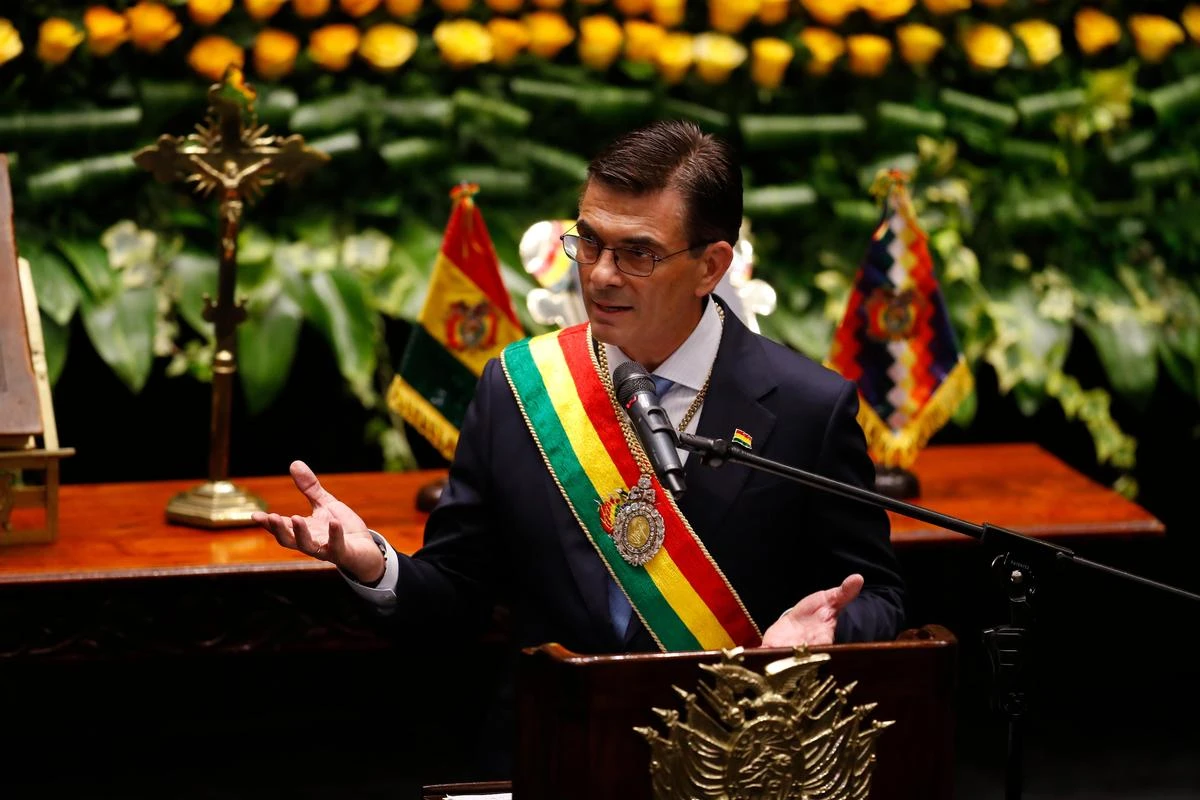
Paz Trims His Cabinet After the Unidad Nacional Split
President Rodrigo Paz announced on 3 August a restructuring of the executive branch, cutting the number of ministries from 14 to 12 and naming new officials. He described the changes as the start of “a new phase” of his administration following the social and political conflicts that shook the country between May and June.
Among the most visible moves, Paz replaced his foreign minister and the minister of the presidency, and eliminated two portfolios. Héctor Huanca, until then a vice minister handling consular affairs, was appointed to lead the Foreign Ministry, according to Bolivian outlets covering the announcement.
It is Paz’s second major reworking of his team since he took office in November 2025. He had already signaled changes in May, when weeks of protests over fuel-subsidy cuts and economic measures pressured his government.
What the Break With Unidad Nacional Means
The cabinet changes came days after Unidad Nacional (UN), led by businessman Samuel Doria Medina, confirmed what its leaders called a definitive break with Paz’s government. Doria Medina announced the rupture on 1 August, framing it as a decision of “ethics and principles.”
UN leaders said their break reflected frustration with the slow pace of the executive and what they described as a weak response to corruption allegations. Doria Medina had proposed an “anti-corruption czar,” an initiative the president rejected, according to Bolivian media.
For foreign readers, the split matters because UN had been Paz’s principal partner in a fragmented Congress. Losing that alliance narrows the president’s legislative room to maneuver as he pushes an economic-adjustment agenda that has already drawn street protests.
The Central Bank Steps Into the Dollar Market
Separately, the Banco Central de Bolivia (BCB) announced it will buy and sell US dollars to curb what it called “undesired fluctuations” in the exchange market and to rebuild international reserves. The bank set out two mechanisms: direct operations with financial institutions and public auctions.
Under the direct-operations method, the BCB’s international-operations unit will notify banks by 8:30 a.m. on the day of each transaction of the amount of dollars it intends to buy or sell, the applicable exchange rate, and the window to submit bids, according to the regulation published at the end of July.
The move is significant because Bolivia has for years defended a fixed official exchange rate, while a parallel market absorbed the strain of a deepening dollar shortage. A more active central-bank presence signals an attempt to influence pricing directly.
Why Bolivia Faces a Dollar Shortage
Bolivia’s foreign-exchange squeeze stems from a multi-year decline in natural-gas revenue, dwindling international reserves and falling export income. Those pressures pushed dollars into an informal market, where the currency has traded far above the official rate.
According to local economic coverage, the parallel-market rate climbed from about Bs 9.73 per US dollar on 29 June to more than Bs 12 in little over a month. Some estimates put the informal premium well above the official quote.
Banks recently captured close to US$645.9 million and covered roughly 88% of estimated dollar demand, but the market still showed a shortfall of about US$89 million, keeping upward pressure on the price, local outlets reported.
Reactions and Political Stakes
Paz has cast the reshuffle as preparation for “the stage of transformations that begins,” while opposition figures and former allies have questioned the government’s speed and direction. The presidency has framed the economic measures as necessary adjustments.
The government inherited an economy strained by subsidy costs and scarce hard currency. Analysts cited in Bolivian media say the combination of a shrinking coalition and an intervention in the currency market raises the stakes for Paz’s next moves.
Supporters argue the streamlined cabinet and the central-bank action show the administration is responding. Critics counter that the steps arrive after months of turmoil, including the protests and road blockades that marked earlier in the year.
What Comes Next
Attention now turns to how the BCB’s dollar operations affect the gap between the official and parallel rates, and whether the interventions can be sustained given the reserve position. Markets will watch the size and frequency of the auctions.
Politically, Paz must govern with a narrower base after the UN break. How he builds new congressional support, and whether the reshuffled cabinet can steady the economy, will shape the months ahead.
More: Bolivia news in English, every day from The Rio Times.
Frequently Asked Questions
Why did Bolivia’s President Paz reshuffle his cabinet?
President Rodrigo Paz announced on 3 August that he was reducing his cabinet from 14 to 12 ministries and naming new officials, days after his main ally, Unidad Nacional, broke with the government. He described it as the start of a new phase.
What did the Central Bank of Bolivia announce?
The Banco Central de Bolivia said it will buy and sell US dollars through direct operations and auctions to ease undesired swings in the exchange market and rebuild reserves, amid a persistent foreign-exchange shortage.
Why is there a dollar shortage in Bolivia?
Officials and analysts link the shortage to falling gas revenue, declining international reserves and weaker exports, which fed an informal market where the dollar has traded well above the official rate.
Sources
Connected Coverage
More on Bolivian politics and the country’s economy from The Rio Times.
Sources: El Observador; Exito Noticias; El País Bolivia; Infobae.
This article was produced by The Rio Times’ automated newsroom system. How we use AI · Report an error
In depth
Read More from The Rio Times