Why Burford’s New YPF Claim Keeps Argentina’s Biggest Legal Risk Alive
Key Facts
Argentina’s 2012 seizure of oil company YPF produced its largest court judgment ever, which a US court voided in March. The litigation funder behind the case has now refiled it at the World Bank’s arbitration centre, starting from zero.
Burford Capital, a London- and New York-listed firm that finances lawsuits, filed the claim against Argentina in mid-September 2026. It went to ICSID, the World Bank’s investment arbitration centre, and covers the same expropriation as the New York case.
Why This Matters
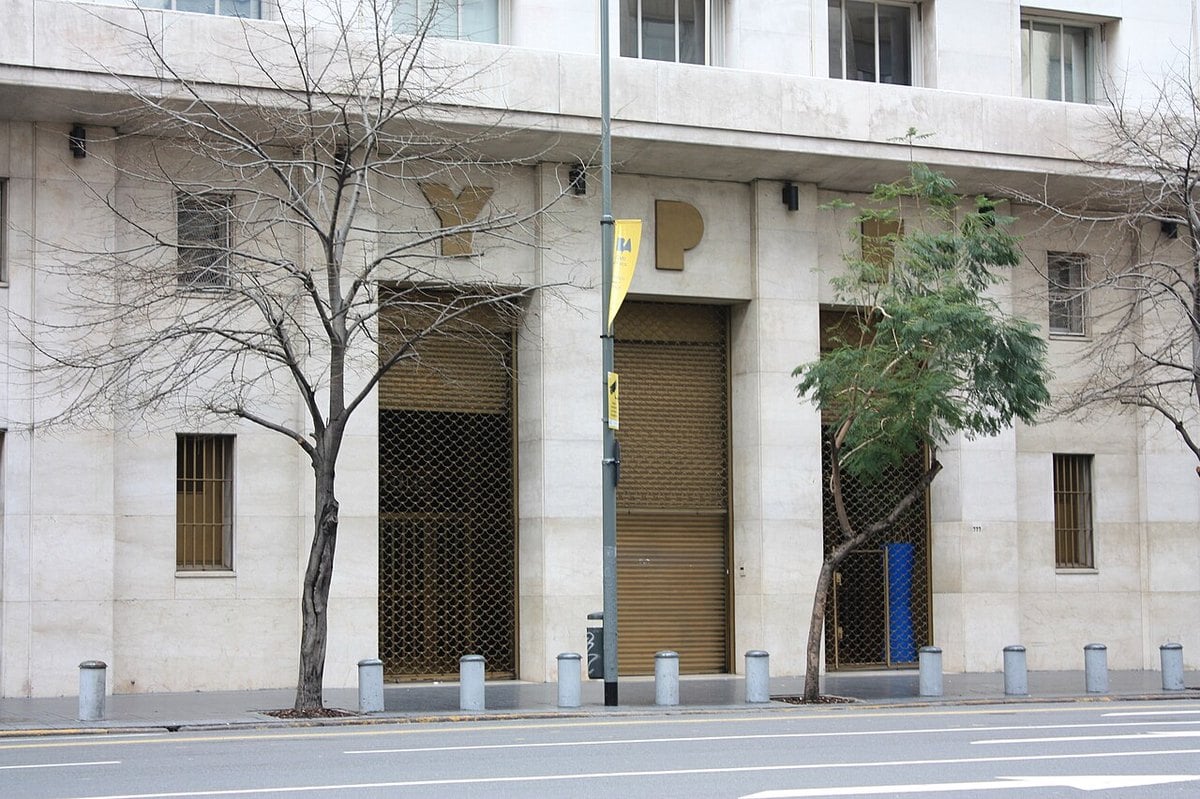
YPF is Argentina’s largest oil company, founded in 1922 and listed in New York as well as Buenos Aires. It is the lead developer of Vaca Muerta, a vast shale field that is crucial to the company’s future.
In 2012, under President Cristina Fernández de Kirchner, Argentina passed a law taking 51% of YPF from Spain’s Repsol. Repsol was compensated with about US$5 billion in government bonds, under a deal finalised in February 2014.
Minority shareholders were not bought out, and their claim became a US$16.1 billion New York judgment in September 2023. Judge Loretta Preska, a federal trial judge in Manhattan, awarded US$14.4 billion to Petersen and US$1.7 billion to Eton Park.
On 30 June 2025 she ordered Argentina to hand over its 51% stake in YPF to satisfy the judgment. The federal appeals court in New York paused that order on 15 July 2025, before overturning the judgment itself in March.
Argentina has faced 65 investor-state claims, according to ISDS América Latina, a research tracker. For over 20 years it was the world’s most-sued country in such disputes, until Venezuela overtook it in 2025.
Of its resolved cases, 86% ended with an award or settlement that benefited the investor, the tracker says. Argentina has paid or agreed to pay about US$10 billion across those cases, which is why investors watch this one.
Live Company IntelligenceYPF Sociedad Anonima — the full investor dossier
What the New York Court Did in March
On 27 March 2026 the Second Circuit, the federal appeals court in New York, reversed the judgment. The panel split two to one, and the judgment had been the largest ever entered against Argentina.
The court held that Argentine law did not permit a private contract suit against the state as a shareholder. That is a jurisdictional finding rather than a ruling on the merits of the expropriation.
In other words, the court did not say the claim was wrong. It said New York was not where it belonged.
What Has Now Been Filed
The new claim is brought for the Petersen companies, the vehicles that held a minority stake in YPF. They are domiciled in Spain, are bankrupt, and are run by a court-appointed receiver there.
That domicile is the point. It opens the investment treaty between Argentina and Spain, signed in 1991 and in force since 1992.
ICSID, founded in 1966 and based in Washington, is one of the five institutions of the World Bank Group. It handles most of the world’s investor-state disputes, in which companies sue governments under treaties.
Burford funds the claim and takes a share of any recovery, which is how it came to control the case. The filing has been registered, and a tribunal must now be constituted within ninety days.
No claim amount has been made public. The parties stress that the arbitration starts afresh.
The Number That Does Not Transfer
Expect to see US$16.1 billion attached to this case. It should not be.
That figure belonged to a judgment that no longer exists, calculated under New York procedure. An arbitration tribunal would assess damages on its own basis, under the treaty and international law.
Anyone publishing a number for the new claim today is reporting an old one. The honest position is that the amount is unknown, and nobody involved has stated it.
How Burford Came to Own the Claim
The minority shareholders argued that YPF’s bylaws required a tender offer, which never came. The Petersen group held about 25% of YPF, the Buenos Aires Herald reported.
Petersen’s stake had been acquired with financing tied to YPF’s own dividends. When the dividends stopped after the expropriation, the vehicles failed and went into Spanish insolvency.
Burford bought the right to pursue the claim from the receiver in 2015, for a reported fraction of its value. Burford, founded in 2009, is listed on both the London and New York stock exchanges.
One Claimant Is Missing
The New York case had a second claimant, Eton Park, accounting for roughly a tenth of the total. No arbitration claim has been filed for Eton Park.
The likeliest reason is the treaty. Eton Park is American, and the relevant US treaty terms differ.
That is an inference rather than a stated reason, and none has been given publicly. It does mean the arbitration is narrower than the case it replaces.
How Long This Takes
Investment arbitration is slow, and cases at this body average roughly four and a half years. The first step is constituting the tribunal, which has a ninety-day window.
A procedural calendar follows, then written phases, then hearings. So the practical horizon for any award is the 2030s, not this administration.
President Javier Milei, a libertarian economist, has governed Argentina since December 2023. Argentina’s treasury office said it will defend its position with the same firmness as before.
The Appeal That Has Not Closed
Burford can still ask the US Supreme Court to hear the case, with a deadline at the end of September. Whether it does so has not been announced.
Running both tracks is possible. It would be consistent with how the case has been handled so far.
The Supreme Court takes a small fraction of the petitions it receives, so the odds are long. But an outstanding petition changes the negotiating picture while the arbitration is being set up.
What It Means If You Hold Argentine Assets
Nothing changes on the bond market today, because there is no judgment to enforce and no attachment risk. The March reversal removed a contingent liability that had been priced into Argentine risk for years.
This filing restores part of it, but on a much longer horizon and without a stated figure. For anyone weighing Argentine sovereign exposure, the relevant question is the treaty risk, not the number.
For Burford’s own shareholders, the value of the claim now depends on a slower and less predictable process. The country remains an active respondent in investment arbitration, and that is the durable fact here.
What Is Not Yet Known
The amount claimed has not been disclosed, and neither has the composition of the tribunal. Whether Burford petitions the Supreme Court before the deadline has not been announced.
Argentina’s jurisdictional objections have not been filed, and they are likely to be substantial. Whether any settlement talks exist is the open question, and neither side has commented on it.
Frequently Asked Questions
Why does this matter?
The claim once produced a US$16.1 billion judgment, the largest ever against Argentina. Its return keeps a major legal risk hanging over the country, though on a much longer timeline.
What happened to the New York judgment?
A US appeals court reversed it on 27 March 2026. It held that Argentine law did not permit the claim to be brought against the state as a shareholder.
How much is the new claim worth?
No amount has been made public. The arbitration starts fresh, and the figure from the vacated New York judgment does not carry over.
How long will it take?
A tribunal must be constituted within ninety days. Cases at this body average about four and a half years.
Sources: Infobae, the filing at the World Bank tribunal, BAE Negocios, on the new front against Argentina, Burford Capital, its statement on the appeal decision, Lawfare, the 2023 judgment and its split, World Oil, the June 2025 turnover order, Buenos Aires Herald, timeline since the turnover order, ISDS América Latina, Argentina’s arbitration record, UNCTAD, Argentina’s investment treaties, ICSID, about the centre, Wikipedia, ICSID, Wikipedia, YPF and the 2012 expropriation, Wikipedia, Burford Capital, Wikipedia, Javier Milei
This article was produced by The Rio Times’ automated newsroom system. How we use AI · Report an error · Editorial responsibility: Matthias Camenzind, Editor-in-Chief
In depth
LatAm Markets: Live Signals → — real-time movers, turnover leaders and FX across Latin America.