Halliburton Secures Well-Construction Contract for Suriname’s GranMorgu Project
Suriname
Key Facts
—The Contract. Halliburton won a multi-year integrated drilling and completions contract for the GranMorgu deepwater development, operated by TotalEnergies.
—Project Scale. GranMorgu is a US$10.5 billion project targeting approximately 750 million barrels of recoverable oil, with first oil expected in 2028.
—Economic Impact. The project is projected to generate US$26 billion in royalties, taxes, and dividends for Suriname over its lifetime, potentially tripling the national GDP.
—Local Content. Halliburton has committed to prioritising local talent and suppliers, with TotalEnergies forecasting over 6,000 direct and indirect jobs from the development.
—Strategic Alliance. The deal forms part of the first global alliance between Halliburton, TotalEnergies, and rig operator Noble, creating a coordinated offshore services ecosystem.
Halliburton has secured the landmark GranMorgu drilling contract for TotalEnergies’ deepwater project offshore Suriname, anchoring the US oilfield services giant at the heart of the country’s first major oil development and signalling a new phase of investment opportunity in the South American Atlantic basin.
The Deal That Places Halliburton at Suriname’s Core
Halliburton announced on 13 July 2026 that it had won the integrated well-construction contract for the GranMorgu development in Block 58, approximately 150 kilometres off the coast of Suriname. The award covers a long-term programme of drilling and completions services for production and injection wells, embedding the Houston-headquartered company as a core technical partner for the project’s entire operational lifespan.
The contract follows the Final Investment Decision taken by operator TotalEnergies and partner APA Corporation in October 2024. Halliburton will deploy what it describes as a fully integrated, digital and automation execution model, uniting planning, engineering, and operations to reduce total cost of ownership across the well-construction lifecycle.
Crucially, the deal forms part of the first global alliance between Halliburton, TotalEnergies, and offshore drilling contractor Noble. This tripartite structure creates a coordinated ecosystem spanning operator, rig capabilities, and well services, a model that could be replicated across other deepwater frontiers if it proves successful in Suriname.
GranMorgu: A US$10.5 Billion Bet on the Atlantic Basin
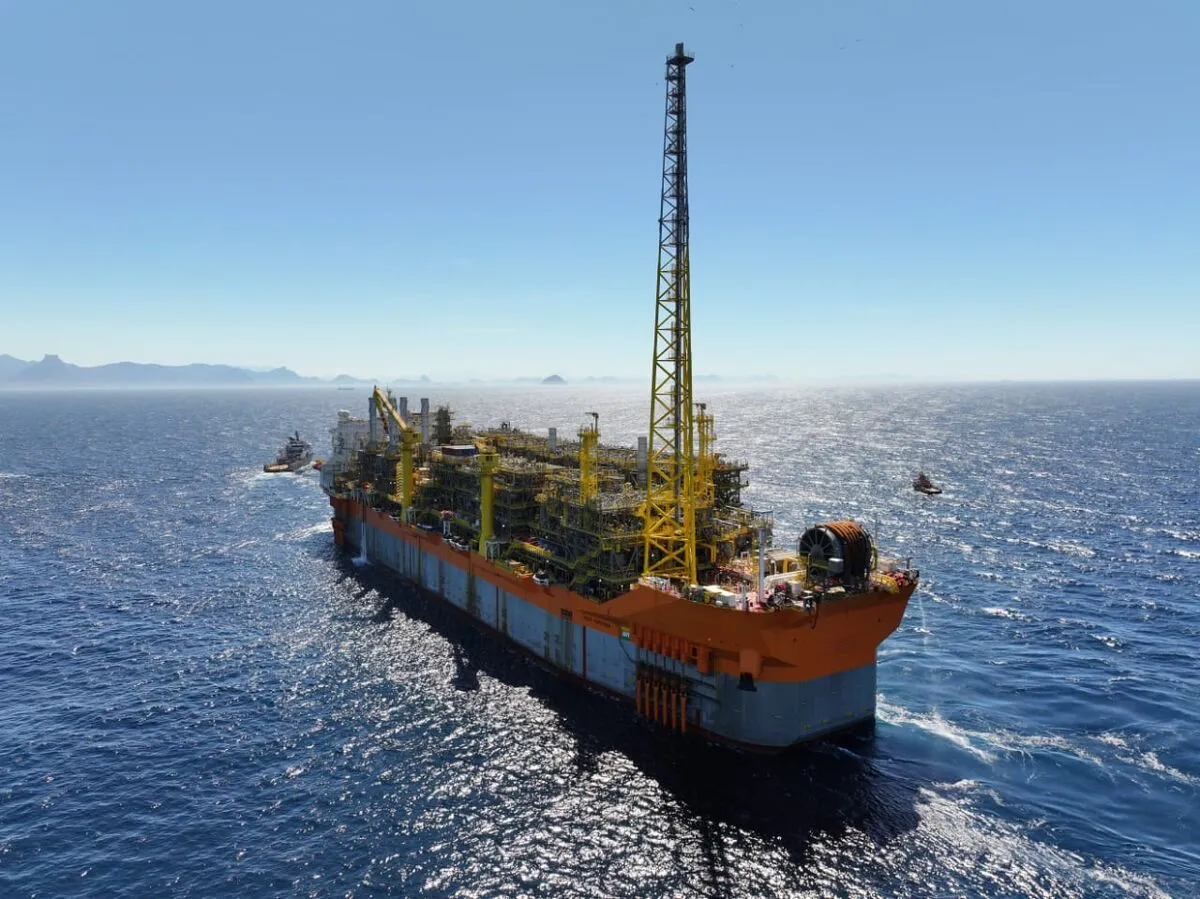
GranMorgu will develop the Sapakara and Krabdagu oil discoveries, which hold recoverable reserves estimated at around 750 million barrels. The development concept relies on subsea wells tied back to a Floating Production, Storage and Offloading vessel with a nameplate capacity of approximately 220,000 barrels of oil per day.
Total project investment stands at roughly US$10.5 billion, with first oil targeted for 2028. TotalEnergies holds a 40 percent operating stake, APA Corporation holds 40 percent, and Suriname’s national oil company Staatsolie exercised its right to a 20 percent interest, transforming itself from a solely onshore producer into a deepwater equity partner.
TotalEnergies has framed GranMorgu as a low-emission, low-cost project, with projected Scope 1 and 2 emissions intensity below 16 kilogrammes of CO2 equivalent per barrel. The FPSO is designed as all-electric and will retain associated gas from lifting operations, aligning the development with corporate decarbonisation narratives that are increasingly important to institutional investors and project finance lenders.
The Fiscal Stakes for Suriname and Its National Oil Company
For a country of roughly 600,000 people with a GDP in the US$3 billion to US$4 billion range, GranMorgu represents an economic transformation of historic proportions. Projections indicate that royalties, taxes, and dividends from the development could total US$26 billion over the project’s life, with the potential to triple Suriname’s GDP and finance long-deferred investments in infrastructure, education, and healthcare.
Staatsolie’s decision to take up its 20 percent stake required the largest project financing in Suriname’s history. In May 2025, the company closed a US$1.6 billion syndicated mini-perm loan led by African Export-Import Bank, Bladex, and Deutsche Bank, with 18 lenders participating, part of an estimated US$2.4 billion total funding requirement that may also include bonds and internal cash.
Analysts caution that while GranMorgu will make a significant contribution to Suriname’s economy, it is not a guaranteed silver bullet. The country faces familiar resource-curse risks, and the quality of fiscal management, transparency, and reinvestment of oil revenues will determine whether the windfall delivers broad-based development or concentrates wealth among a narrow elite.
Halliburton’s Broader Suriname Strategy and Earnings Context
The GranMorgu drilling contract does not stand alone in Halliburton’s Suriname portfolio. In April 2026, the company signed a Strategic Collaboration Agreement with PETRONAS Suriname and rig operator Valaris to support development of PETRONAS’s offshore assets, linking basin expertise, drilling fleet capacity, and digital well-construction technology across the full project lifecycle.
These Suriname contracts arrive at a useful moment for Halliburton, which has pursued new offshore work amid softer earnings in other segments. A multi-year, high-value integrated contract in a basin with substantial follow-on potential provides long-duration revenue visibility and showcases the company’s automation capabilities against rivals Schlumberger and Baker Hughes.
For outside investors, the clustering of Halliburton contracts across multiple operators in Suriname signals that the basin is moving beyond exploration into a development phase that will require sustained services spending for years. The company’s embedded position in operator alliances with TotalEnergies, Noble, Valaris, and PETRONAS creates a competitive moat that will be difficult for rivals to breach quickly.
Geopolitics and the Regional Energy Picture
GranMorgu extends the Guyana development model westward along the South American Atlantic margin, but with a different cast of corporate actors. Where ExxonMobil dominates Guyana’s Stabroek Block, TotalEnergies leads in Suriname, bringing a European major’s emphasis on low-emission design and a different approach to state participation through Staatsolie’s 20 percent equity stake.
Once operational, GranMorgu will add up to 220,000 barrels per day of new crude into Atlantic Basin markets, strengthening regional energy security and positioning Suriname as a reliable exporter to North America, Europe, and Asia. This additional supply contributes to a broader shift in global marginal production away from traditional OPEC producers toward new Atlantic deepwater sources.
The financing architecture also carries geopolitical weight. The involvement of Deutsche Bank, Afreximbank, and Latin American multilateral Bladex in Staatsolie’s record loan reflects a diversified lender base that reduces reliance on any single capital market and embeds international financial stakeholders in Suriname’s long-term stability.
What Investors and Expats Should Watch Next
The immediate milestone is the progression of FPSO construction, which reached 27 percent completion by late 2024, with first steel cut in July 2025. Delays to the 2028 first-oil target would ripple through revenue forecasts for Staatsolie, Halliburton, and the government’s fiscal planning, making construction updates a key indicator for anyone with exposure to Suriname’s economic trajectory.
Beyond GranMorgu, the exploration pipeline remains active. Shell and QatarEnergy plan to drill the Araku Deep-1 well in Block 65, while Chevron and PETRONAS conduct seismic and appraisal work in other blocks, with Rystad Energy estimating at least 10 offshore wells across Suriname between 2025 and 2026.
Success in these campaigns would further validate the basin and increase demand for the integrated services model that Halliburton has now established.
For expatriate professionals and service companies, Paramaribo is set to become the administrative and logistics hub for an expanding offshore industry. The test will be whether Halliburton’s local content commitments translate into genuine skills transfer and supply-chain development, or whether the project remains heavily reliant on expatriate labour and imported equipment, a dynamic that will shape both social licence and long-term operational costs.
Frequently Asked Questions
What exactly did Halliburton win in the GranMorgu drilling contract?
Halliburton secured a multi-year integrated drilling and completions contract for the GranMorgu deepwater development offshore Suriname, operated by TotalEnergies. The scope covers production and injection wells using a digital and automation execution model, and the deal forms part of a global alliance between Halliburton, TotalEnergies, and rig contractor Noble.
How much revenue will GranMorgu generate for Suriname?
Projections indicate that royalties, taxes, and dividends from GranMorgu could total US$26 billion over the project’s lifetime. Once operational, the development is expected to contribute US$1 billion to US$1.5 billion annually to Suriname’s GDP, with the potential to triple the size of the national economy.
When will oil production start at GranMorgu?
First oil from the GranMorgu development is targeted for 2028, with several sources specifying mid-2028. The project reached roughly 13 percent overall progress by late 2024, with FPSO construction at 27 percent and first steel cut in July 2025, keeping the timeline on track as of the latest public updates.
Connected Coverage
A New Study Explains Why Guyana Strikes Oil and Suriname Struggles
LatAm Markets: Live Signals → — real-time movers, turnover leaders and FX across Latin America.
Read More from The Rio Times