Costa Rica’s Rincon de la Vieja Turns Two Rivers Milky Gray

Environment
Key Facts
—The change. Two rivers by Rincon de la Vieja volcano turned milky gray over the weekend.
—The cause. Small eruptions and heavy rain washed volcanic material into the Azul and Pénjamo.
—The activity. Scientists logged 23 small steam-driven eruptions in a single week.
—The plume. The strongest, on July 6, sent a steam-and-gas plume about 200 metres up.
—The alert. No specific emergency alert had been issued for the two rivers.
A striking natural sight has appeared in Costa Rica’s northwest, where Rincon de la Vieja volcano has turned two nearby rivers a milky gray after days of small eruptions.
The colour change was reported on Saturday evening. It followed intense rain around the volcano, which sits in the Guanacaste highlands popular with visitors.
For a traveller or resident, it is a reminder of the setting. Costa Rica’s beauty comes from a living volcanic chain that occasionally shows its power.
What is happening at Rincon de la Vieja
The affected waterways are two. The Azul and Pénjamo rivers, on the volcano’s northern side, took on the milky-gray tint over the weekend.
The mechanism is simple. Eruptions throw out sediment and ash, which heavy rain then washes down the slopes and into the rivers below.
The activity has been steady. Scientists recorded twenty-three small steam-driven eruptions between Monday and Friday, with more over the weekend.
One stood out. The strongest, on July 6, sent a plume of steam and gas about two hundred metres above the crater, with no ashfall in nearby towns.
Why Rincon de la Vieja behaves this way
The eruptions are a specific type. They are phreatic, or steam-driven, blasts that happen when water inside the volcano is heated rapidly.
They can strike with little warning. A brief moderate eruption early Sunday released steam and gas for about a minute before subsiding.
The rains keep the risk alive. As long as heavy downpours continue, more volcanic material can be carried from the upper slopes into the waterways.
Authorities have stayed measured. No specific emergency alert had been issued for the two rivers, though the volcano remains active and unpredictable.
For an outside reader, the practical note is caution. Visitors to the area should heed park guidance and avoid discoloured rivers until conditions settle.
This is not a first this year. Back in May, volcanologists warned that eruptions were already muddying rivers in the nearby Upala area on the volcano’s flanks.
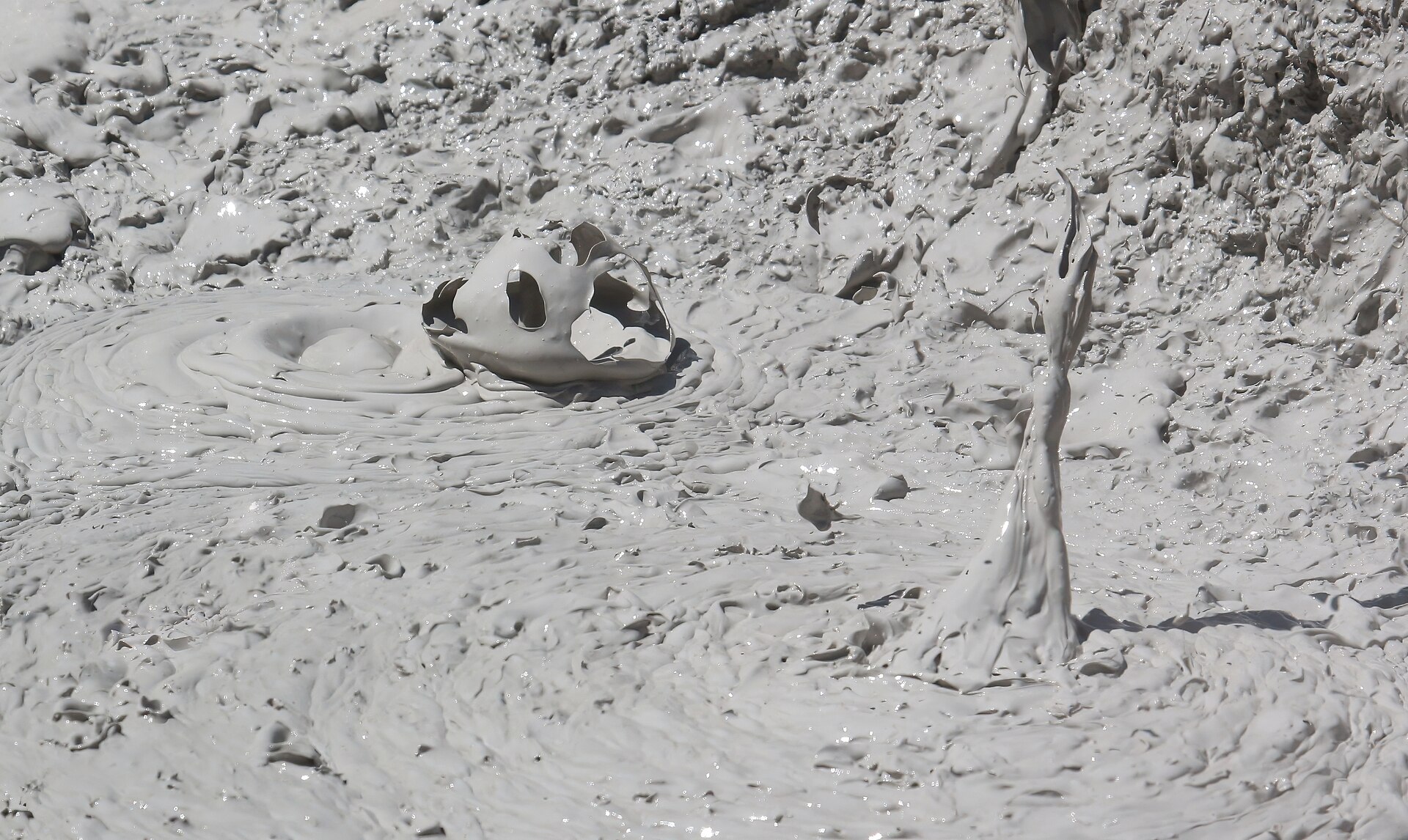
The setting is prime tourist country. The volcano gives its name to a national park in Guanacaste, prized for waterfalls, bubbling mud pots and steam vents.
The wider region is volcanic. The peak sits in a chain that runs across northern Costa Rica, a landscape that draws hikers and nature travellers year-round.
The weather is the wild card. A tropical wave crossing the country was expected to bring more heavy rain, keeping saturated slopes primed to shed material.
The takeaway is perspective, not panic. Discoloured rivers are a normal by-product of an active volcano, striking to see but rarely a threat to nearby towns.
The park itself can still draw crowds. When the volcano is calm, its trails to craters, mud pots and waterfalls remain among Guanacaste’s most popular walks.
Monitoring is constant. National scientists track the volcano closely, logging each eruption and issuing guidance when the activity picks up or eases.
The affected rivers run north. The Azul and Pénjamo drain the volcano’s northern flank toward lowland farming communities, where residents watch the water closely.
More: Costa Rica news in English, every day from The Rio Times.
Live Company IntelligenceAzul S.A. — the full investor dossier
Valuation & profitability
Price & risk
$0.7452-wk high
$3,400.00
Revenue trend · 6y
Ownership
Dividend
Frequently Asked Questions
What caused the Azul and Pénjamo rivers to turn milky gray?
Small eruptions and heavy rain caused the change. Eruptions threw out sediment and ash, which heavy rain then washed down the slopes and into the rivers.
How many eruptions did scientists record in a single week?
Scientists recorded twenty-three small steam-driven eruptions between Monday and Friday. More eruptions occurred over the weekend.
What did the strongest eruption on July 6 produce?
The strongest eruption on July 6 sent a plume of steam and gas about 200 metres up. This was the standout event during the period of steady activity.
This article was produced by The Rio Times’ automated newsroom system. How we use AI · Report an error · Editorial responsibility: Matthias Camenzind, Editor-in-Chief
Expat Guide to Costa Rica
What The Rio Times publishes for foreigners who live in or move to Costa Rica.
Start here
- Fer De Lance Snake Facts and Safety Tips
- Best Places to Live in Costa Rica for Expats 2026
- Costa Rica Income Tax Bill Would Charge Residents 15% on Five Kinds of Foreign Investment Income
- Costa Rica Permanent Residency and Citizenship: How the Rules Work
City guides
Coming up in Costa Rica
- Humbe Plays Parque Viva in Costa Rica on 18 October 18 Oct
- The Rasmus play San José on 20 October 20 Oct
- Rosario Flores brings Gira 2026 to San José 24 Oct
- Reggae giants Cultura Profética play Belén 25 Oct 25 Oct
Understand Costa Rica