China’s Zijin Took 9.2% of the Miner Building Ethiopia’s Kurmuk

ETHIOPIA · CRITICAL MINERALS
Key Facts
—The stake: Zijin Gold International subscribed for 12.8 million newly issued Allied Gold shares at C$32.55, about US$295 million. That is 9.2% of the Canadian company on an undiluted basis, from treasury rather than from existing holders.
—When it closed: The subscription was signed on 29 July 2026 and the placement closed on 10 August.
—What it replaced: Zijin’s full takeover of Allied Gold, worth about US$4 billion, lapsed on 29 July at its outside date. Allied cited “broader external factors”.
—The assets: Allied Gold holds 80% of Sadiola and 65% of Korali-Sud in Mali, 89.9% of Bonikro and 85% of Agbaou in Côte d’Ivoire, and 93% of Kurmuk in Ethiopia. States and local shareholders hold the rest.
—Kurmuk: Allied guides Kurmuk to produce 240,000 to 270,000 ounces in 2027. Management said on 6 August that the mine was in commissioning and that production was expected in September. No first pour had been announced as of 24 August.
—The Emirati thread: The Abu Dhabi Investment Authority re-entered the top-ten register of Zijin’s Shanghai-listed parent in the first quarter of 2026 with 141 million shares worth about US$680 million.
—The structure: Zijin Gold International is listed in Hong Kong and was spun out in September 2025; Zijin Mining Group retains about 85%.
The Zijin Allied Gold deal gives the Chinese miner roughly 9.2% of Allied Gold Corporation for about US$295 million. It closed on 10 August 2026. The two sides fell back on it after Chinese regulatory approval failed to arrive. A US$4 billion takeover had lapsed twelve days earlier.
The deal that failed, and the one that replaced it
Zijin Gold International had agreed to buy Allied Gold outright in a transaction valued at roughly US$4 billion, or C$5.5 billion. That agreement reached its outside date on 29 July 2026 and lapsed.
Allied Gold publicly blamed “broader external factors”. Its chairman and chief executive, Peter Marrone, told the Globe and Mail on 29 July that Chinese regulatory approval was the obstacle.
On the same day the takeover died, the two sides signed a subscription agreement instead. Zijin subscribed for 12.8 million newly issued shares at C$32.55 in a non-brokered private placement. That is roughly US$295 million, and it closed on 10 August. Per Allied Gold’s announcementThe money funds operational work and the completion of Kurmuk. It also supports Sadiola expansion, higher output in Côte d’Ivoire, and exploration.
Read one way, this looks like a template. Beijing may block a full takeover of an overseas miner. A minority stake still secures capital and builds ties. That reading is ours, not the companies’.
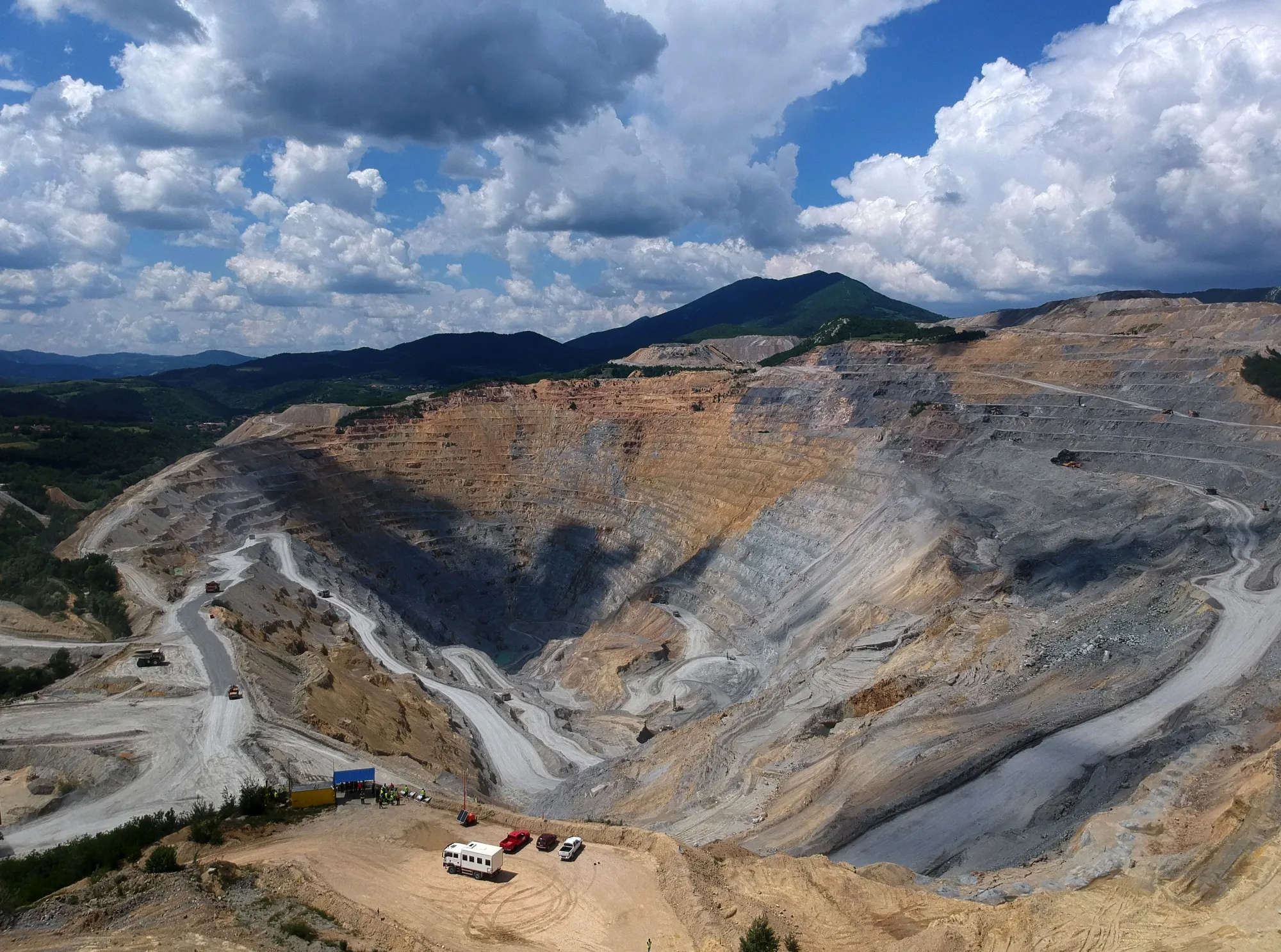
What Zijin Allied Gold actually buys
Allied Gold’s core is in West Africa. It holds 80% of Sadiola and 65% of Korali-Sud in Mali.
It also owns 89.9% of Bonikro and 85% of Agbaou in Côte d’Ivoire. The Malian and Ivorian states and local shareholders hold the balance.
The growth asset is elsewhere. Kurmuk sits in Ethiopia’s Benishangul-Gumuz region and is guided to produce 240,000 to 270,000 ounces of gold in 2027. It is held through Kurmuk Gold Mine PLC, in which Allied reports 93%. Ethiopia takes 7% once the mine reaches commercial production, on top of a 5% royalty. Wheaton Precious Metals holds a stream over 6.7% of payable gold.
Allied guided start-up for August with first gold a few weeks later. On its results call on 6 August, management said Kurmuk was in commissioning that month and expected production in September. As of 24 August no first pour had been announced. Allied had guided 100,000 to 270,000 ounces from Kurmuk this year back in February. On 5 August it said it would update that only once operations begin.
For Ethiopia this is not a marginal project. The Ministry of Mines reported gold as the country’s largest single export earner in the 2025/26 fiscal year. It earned US$5.65 billion from 44 tonnes. Kurmuk has a design capacity of about 290,000 ounces a year in its first five years. It is the largest gold project under development in the country.
The Emirati money behind the Chinese buyer
The chain that makes this a great-power story runs through Abu Dhabi. Zijin Gold International’s parent, Zijin Mining Group, is listed in Shanghai. The Abu Dhabi Investment Authority re-entered its top-ten shareholder register in the first quarter of 2026.
The position was 141 million A-shares worth about 4.63 billion yuan, or roughly US$680 million, its largest single A-share holding. It follows two quarters in which the fund was absent from the list.
Emirati interest in Allied Gold itself is not new either. In February 2025 the Emirati firm Ambrosia agreed to take 50% of Allied Gold ML Corp, the Mali holding company. Ambrosia is chaired by Ahmed Amer Al Amry. The price was US$145 million in cash plus US$230 million deferred.
That was one leg of a package worth about US$500 million. The other was a C$156.5 million private placement for roughly 12% of Allied Gold Corporation itself. Allied cancelled the placement on 14 April 2025, saying conditions were not secured. In June, it said it would not sell any part of Sadiola.
The border, and what can honestly be said about it
Allied Gold’s report puts the Sudanese border five kilometres west of the mine. It also lies 65 kilometres north-northwest of Asosa. Middle East Eye reports the site is about 20 kilometres from the Sudanese town of the same name. That town was taken by the Rapid Support Forces and allied fighters at the end of March 2026. On the day this deal was announced, Middle East Eye reported mass graves found there.
Two separate bodies of evidence describe Ethiopian territory near that border. Reuters reported in February 2026 that a camp had been built at Menge, about 32 kilometres from the border. It cited fifteen sources, a leaked Ethiopian security memo and satellite imagery. The memo said 4,300 Rapid Support Forces fighters were training there in early January. Reuters said it could not independently establish who was at the camp.
Yale’s Humanitarian Research Lab reported on 8 April 2026 that it had concluded “with high confidence” that military assistance activity was happening. This activity was consistent with support for the Rapid Support Forces at an Ethiopian army base in Asosa. It described clear visual evidence that the force was basing attacks on Sudan’s Blue Nile State from inside Ethiopian territory.
The United Arab Emirates foreign ministry told Reuters in February 2026 that it was not a party to the conflict. Ethiopia denies involvement in the Sudan war and has called the allegations baseless. Its spokesperson, army and foreign ministry did not respond to requests for comment from Reuters or Middle East Eye. Allied Gold gave no on-the-record response when asked about safeguards, and Zijin did not reply. Ethiopia’s mines minister publicly welcomed the investment.
Why an outside investor should care
Strip out the geography and this is still a read on Chinese outbound mining strategy. Full control is harder to obtain, and a minority stake is what cleared.
Chinese capital, an Emirati sovereign fund, and a Canadian miner are tied to a gold concession. It sits on the edge of Sudan’s war, changing the picture entirely.
Nothing on the record connects the mine’s money to any armed group, and the mine was not producing when the deal closed. The legitimate story is proximity and corporate silence, not financing.
The dates to watch are Kurmuk’s first pour and 11 December 2026, when the four-month hold on Zijin’s shares expires. Nothing restrains Zijin from buying more: there is no standstill, and it holds top-up rights until its stake falls below 5%. It has no board seat and no offtake right. Marrone told the Globe and Mail on 6 August he was open to further transactions.
More: Ethiopia news in English, every day from The Rio Times.
Frequently Asked Questions
What is the Zijin Allied Gold deal?
Zijin Gold International subscribed for 12.8 million newly issued Allied Gold shares at C$32.55, roughly US$295 million. That gives it about 9.2% on an undiluted basis. The placement closed on 10 August 2026.
Why did the full takeover fail?
The roughly US$4 billion agreement lapsed at its outside date on 29 July 2026. Allied cited “broader external factors”. Its chief executive told the Globe and Mail on 29 July that Chinese regulatory approval was the obstacle.
Where is the Kurmuk mine?
In Ethiopia’s Benishangul-Gumuz region. Allied Gold’s technical report places the Sudanese border about five kilometres west of the site. Allied guides it to produce 240,000 to 270,000 ounces in 2027.
Has Kurmuk started producing?
Not as far as any public announcement shows. Management said on 6 August the mine was in commissioning and expected production in September. No first pour had been announced as of 24 August.
What is the Emirati connection?
The Abu Dhabi Investment Authority re-entered the top-ten shareholder register of Zijin’s Shanghai-listed parent in the first quarter of 2026. It held 141 million shares worth about US$680 million.
Connected Coverage
This story belongs to our continuing coverage of Africa: The New Scramble. See also our reporting on uranium found in Congolese cobalt shipped to China and on Guinea’s ban on raw gold exports.
This article was produced by The Rio Times’ automated newsroom system. How we use AI · Report an error · Editorial responsibility: Matthias Camenzind, Editor-in-Chief