Xi’s Gamble: 125% Tit-for-Tat Tariffs Leave China Cornered in U.S. Standoff
The escalating tariff exchange between the US and China has reached new heights, with Beijing announcing a sharp increase in duties on American imports.
Starting April 12, China will raise tariffs from 84% to 125%, following Washington’s decision to impose a staggering 145% tariff on Chinese goods.
While this tit-for-tat exchange grabs headlines, global markets have grown numb to the drama, reacting with muted volatility compared to earlier rounds of economic brinkmanship.
China finds itself in a precarious position. Its economy depends heavily on exports to the US, which totaled $525 billion in 2024—four times the value of American exports to China.
With such an imbalance, Beijing has far more to lose in this economic standoff. The Chinese government cannot afford to reduce production without risking mass unemployment, political unrest, and potential challenges to President Xi Jinping’s authority.
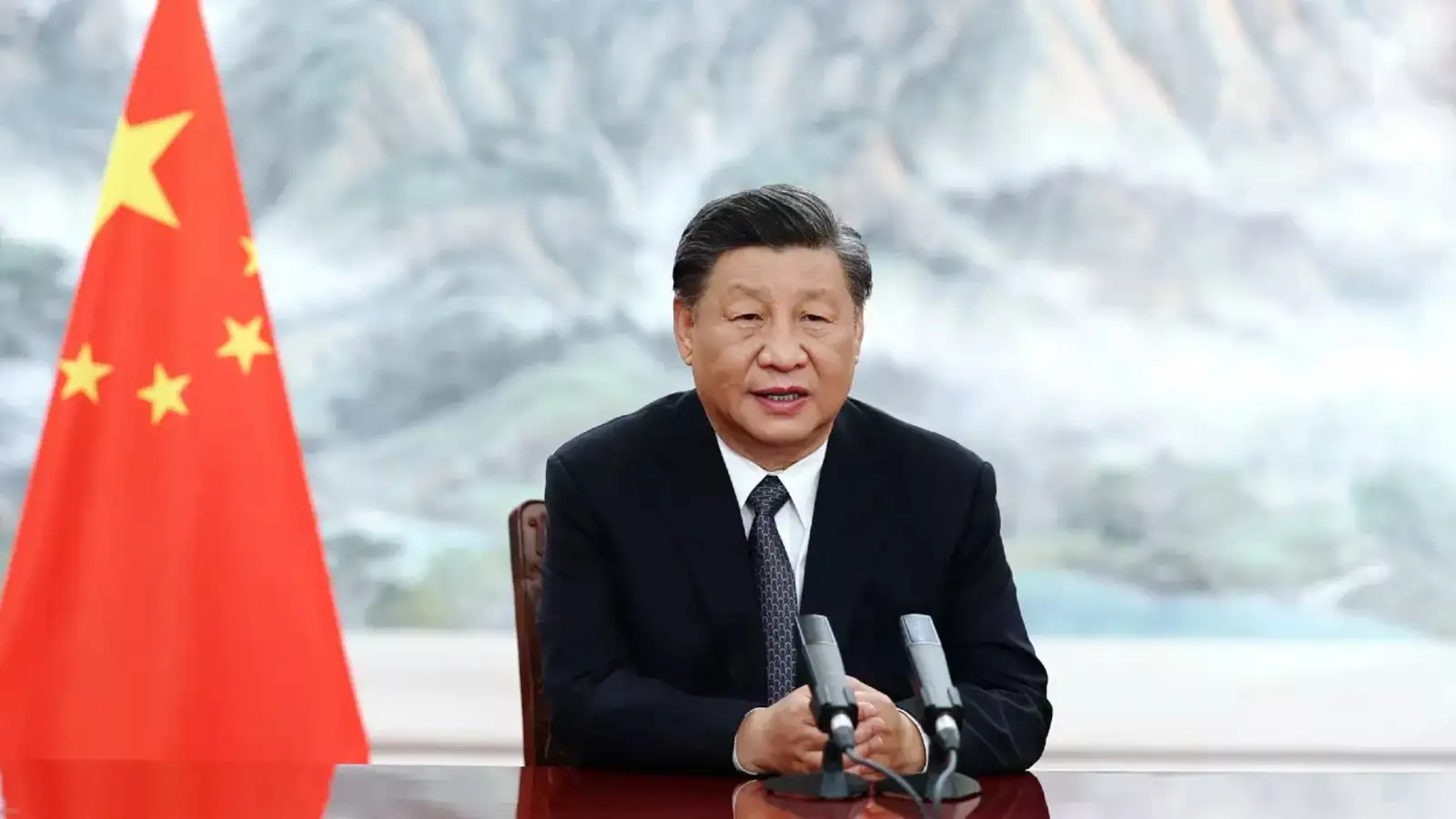
Yet, without access to the US market, China faces the prospect of flooding global markets with surplus goods, which could depress prices and further strain its economy.
US-China Trade War
Markets reflect this uneven playing field. While Japan’s Nikkei dropped nearly 3% and South Korea’s Kospi declined modestly, Chinese indices showed small gains as semiconductor stocks rallied on government support measures.
Meanwhile, US markets saw minor dips, and the dollar weakened significantly against major currencies—a move some analysts suggest may align with President Trump’s strategy to make American exports more competitive globally.
Despite Beijing’s retaliatory measures, the US holds a stronger hand in this economic duel. Its economy is less reliant on trade with China and boasts a diversified consumer-driven foundation.
For Washington, higher tariffs are a calculated risk aimed at curbing China’s economic ambitions. For Beijing, however, the stakes are existential. Losing access to its largest trading partner could destabilize its economy and undermine its leadership.
The question of who holds the upper hand seems clear: the US wields greater leverage in this high-stakes tariff crossfire. For China, this is not just about economics—it is a gamble with its political future on the line.
This article was produced by The Rio Times’ automated newsroom system. How we use AI · Report an error
Read More from The Rio Times