Trump Places Stephen Miran on Fed Board, Signaling Shift in Rate Debate
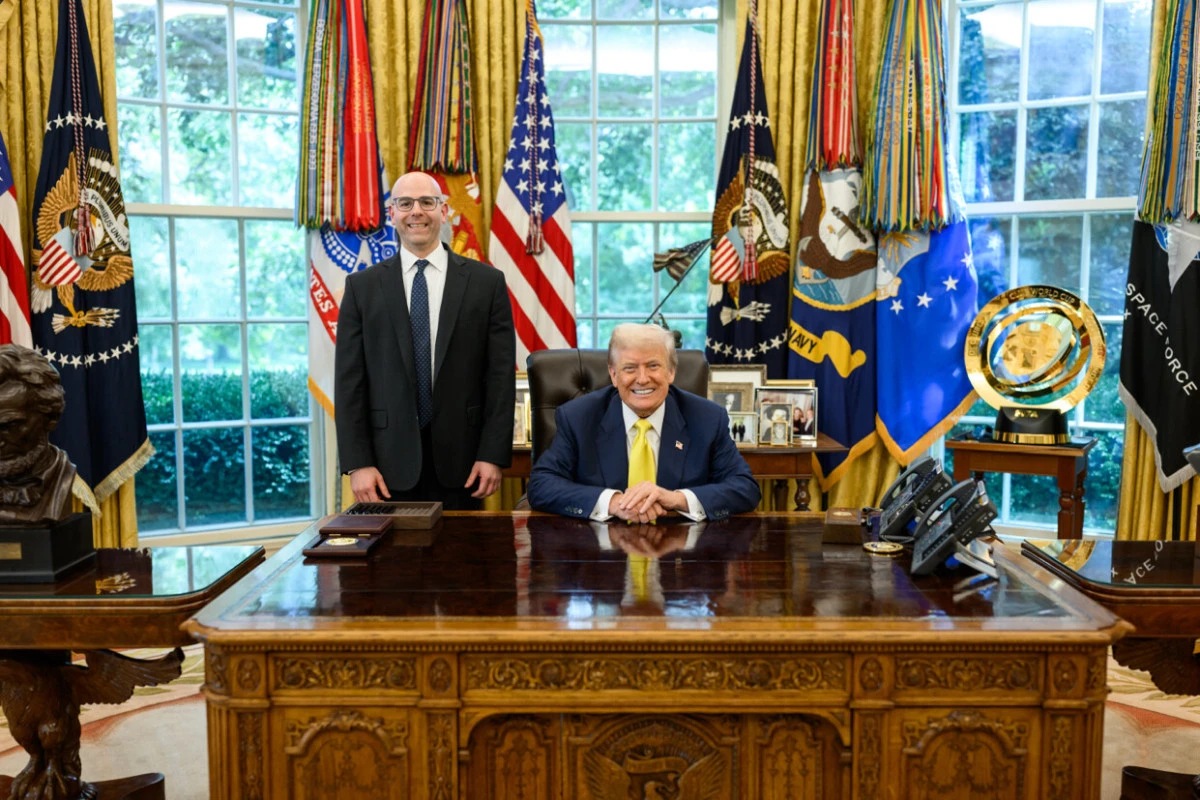
President Donald Trump announced on August 7, 2025, that Stephen Miran, chair of the White House Council of Economic Advisers, will fill the vacant seat on the Federal Reserve Board of Governors.
The Federal Reserve confirmed Adriana Kugler resigned earlier this month and her departure became effective on August 8. If confirmed by the Senate, Miran will serve until January 31, 2026.
Miran is a Harvard-trained economist who previously served at the U.S. Treasury in 2020 and 2021. Before joining the administration as Council chair in March 2025, he worked in financial markets and policy research.
His appointment brings a known critic of recent Federal Reserve policy into a decisive position at a time of debate over the direction of interest rates.
The Federal Reserve held its key rate steady at 4.25 to 4.50 percent on July 30. Two governors, Christopher Waller and Michelle Bowman, dissented and called for a quarter-point cut.
According to the Federal Reserve’s official records, this marked the first dual dissent at the Board level since 1993. Treasury Secretary Scott Bessent stated publicly that he expects Miran’s confirmation before the Fed’s September meeting, when markets anticipate a rate cut.
Miran criticized the Fed’s decision to lower rates by half a point in September 2024. He argued the move was poorly communicated and politically motivated.
That cut, confirmed by the Fed’s published policy statement, came weeks before the presidential election. In interviews this month, Miran praised Governor Waller’s independent stance and said inflation fears linked to tariffs were exaggerated.
The central question now concerns tariffs and their effect on consumer prices. Trump’s policies include significant duties on imports. Miran argues these tariffs carry limited inflation risk.
Bessent offered a rule of thumb: a 10 percent tariff raises consumer prices by about 2 percent once, since most of the cost is absorbed by foreign producers and currency shifts.
He noted that 20 percent tariffs on Chinese goods in Trump’s first term increased prices by less than 1 percent. These figures come directly from Treasury statements.
Kugler, a Biden appointee, cited no political reason for leaving the Fed and said she will return to Georgetown University. She had served as a permanent voter on the Federal Open Market Committee, which sets U.S. rates.
Miran will now take her seat, giving him a vote on upcoming policy decisions. The appointment matters because even a temporary governor can tilt the debate inside the central bank.
The Fed faces pressure to support growth while monitoring inflation and tariff effects. Trump must also select the next Fed chair when Jerome Powell’s term ends in May 2026. Waller’s name now stands out among possible candidates.
This article was produced by The Rio Times’ automated newsroom system. How we use AI · Report an error · Editorial responsibility: Matthias Camenzind, Editor-in-Chief