WEG Approves Another Interest-on-Equity Payout
BRAZIL · MARKETS
Key Facts
-
—
What happened WEG’s board approved R$449.84 million (US$87.3 million) in interest on equity on September 15, 2026. -
—
Per-share value R$0.107212121 gross (US$0.021), or about R$0.08845 (US$0.017) net after the 17.5% withholding tax. -
—
Key dates Record date September 18; shares trade “ex” from September 21; payment falls on March 10, 2027. -
—
Rising trend The third straight quarterly increase, up from R$438.1 million (US$85.1 million) in June and R$420 million (US$81.6 million) in March. -
—
The catch Shareholders must wait nearly six months for the cash, since payment is not due until March 2027. -
—
Analyst view Bradesco BBI kept a buy rating and raised its target to R$62 (US$12.04), implying about 22% upside.
WEG approved a fresh interest-on-equity payment Tuesday, its third quarterly increase in a row.
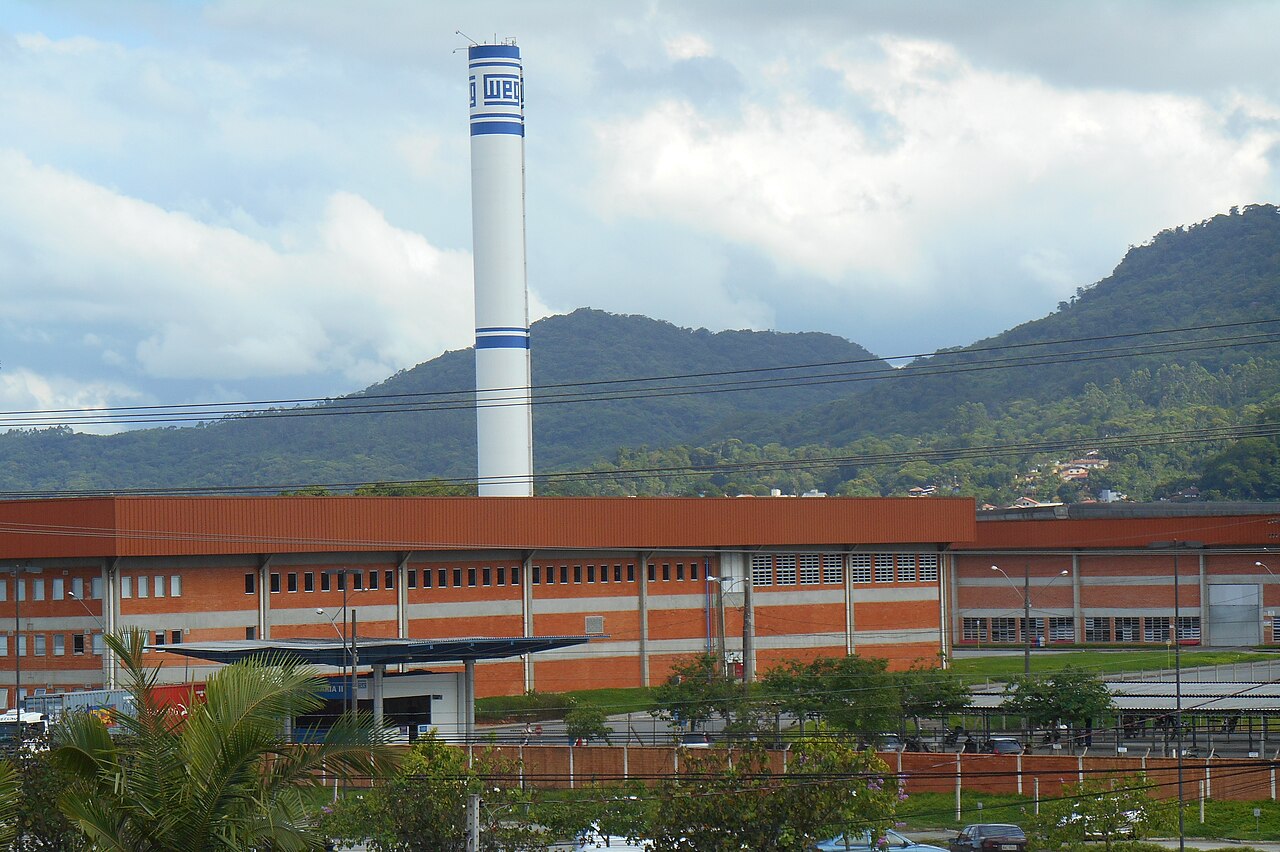
WEG’s board approved R$449.84 million (US$87.3 million) in interest on equity on Tuesday. The payment works out to R$0.107212121 a share before taxes, or about R$0.08845 (US$0.017) net.
What Interest on Equity Means
Interest on equity, known in Brazil as JCP, is a cash payment similar to a dividend. Brazilian companies favor it because it can be deducted from taxable income, unlike ordinary dividends.
Payments carry a 17.5% withholding tax, which is why gross and net values differ. Under WEG’s bylaws, the amount counts toward the company’s mandatory annual dividend.
Most Brazilian companies split their annual dividend obligation between interest on equity and outright dividends. Doing so lowers the paying company’s income tax bill while investors face a smaller, fixed withholding rate instead.
Dividend Rules in Brazil
Brazilian corporate law requires listed companies to distribute a minimum share of annual profit to shareholders. Companies can meet that requirement through ordinary dividends, interest on equity, or a mix of both.
Key Dates for Shareholders
The record date is September 18, meaning investors must hold shares by then to qualify. Shares begin trading without the payment attached, or “ex,” starting September 21.
The actual cash will not reach shareholders until March 10, 2027, nearly six months away. That delay matches the payment schedule WEG set for its two previous quarterly installments.
A Rising Quarterly Trend
This marks WEG’s third consecutive quarterly increase in interest-on-equity payments. The company paid about R$420 million (US$81.6 million) in March and R$438.1 million (US$85.1 million) in June.
September’s R$449.84 million (US$87.3 million) payout extends that steady upward climb. Combined with December’s distribution, WEG has now announced about R$3.2 billion (US$621.4 million) toward its multiyear plan.
The Three-Year Payout Plan
WEG’s board unveiled a three-year, R$5.2 billion (US$1.01 billion) shareholder return plan in November 2025. The plan is funded from the company’s accumulated profit reserves.
That first payment included a R$1.43 billion (US$277.7 million) complementary dividend and R$467 million (US$90.7 million) in interest on equity. Both were paid on December 12, 2025, shortly after shareholders ratified the plan.
Shareholders formally ratified the three-year plan at a general meeting on December 19, 2025. Since then, WEG has paid out a rising amount every quarter under that same framework.
Why WEG Keeps Paying Out
The steady increases point to strong and consistent cash generation at the industrial equipment maker. Each quarterly announcement has also come with a note that the amount counts toward mandatory dividends under Brazilian corporate law.
Analysts see the rising payments as a sign of confidence in future earnings. None of WEG’s recent announcements included special one-time bonuses beyond the routine quarterly schedule.
The pattern also signals discipline: WEG has stuck to predictable, scheduled payments rather than one-off surprises. That consistency has become part of the investment case analysts cite for the stock.
What Analysts Think
Bradesco BBI kept a buy rating on WEG shares after the announcement. The bank raised its price target to R$62 (US$12.04), citing strong liquid cash and international exposure.
That target implies roughly 22% upside from current levels, according to the bank’s note. WEG makes electric motors, transformers, generators, and industrial automation equipment worldwide.
Behind the Buy Rating
Bradesco BBI’s calculations use 4.195 billion shares outstanding, after excluding 1.488 million treasury shares. The bank had previously set its price target at R$60 before raising it this week.
Analysts pointed to WEG’s net cash position and its exposure to markets outside Brazil. Bradesco also cited slowing domestic activity, high interest rates, and a stable exchange rate in its broader sector outlook.
International Growth Alongside Payouts
WEG has kept investing abroad even as it raises shareholder payouts at home. The company has expanded manufacturing capacity in Turkey in recent years, adding to plants that produce motors and gearboxes.
That international footprint is part of why analysts view WEG’s earnings as more resilient than purely domestic peers. The company sells electric motors, generators, transformers, and automation systems in dozens of countries.
Looking Ahead
Investors will next watch WEG’s third-quarter results for signs the payout streak can continue. A fourth straight increase would reinforce the confidence Bradesco BBI expressed in its note this week.
The next interest-on-equity announcement would typically arrive around mid-December, based on the pattern set this year. Shareholders will be watching whether the amount rises again.
About WEG
WEG is based in Jaraguá do Sul, in the southern state of Santa Catarina. Its stock trades on B3 under the ticker WEGE3, one of Brazil’s most closely watched industrial names.
The dollar closed at R$5.15 on Tuesday, the rate used for conversions in this article. All figures reflect disclosures reported through September 15, 2026.
This article was produced by The Rio Times’ automated newsroom system. How we use AI · Report an error
Read More from The Rio Times