Argentina’s Vice-President Calls for an End to Farm Export Taxes
Key Facts
- —What happened Argentina’s VP Villarruel urged scrapping farm export taxes, breaking publicly from Milei.
- —How big a jump At Expo Venado in Santa Fe, she said she’s ‘extremely worried’ for Argentines struggling to make ends meet.
- —The real story Her call to end ‘retenciones’ on grain and beef exports challenges government revenue (US$…).
- —The catch There is no bill to end the taxes, and Villarruel offered no plan or timeline, making it personal, not policy.
- —Who it touches Santa Fe farmers face the taxes directly, slowing reforms, affecting regional trade (US$…).
- —What comes next The Casa Rosada has not responded publicly, leaving open whether Milei backs or quietly disagrees with his vice-president’s call.
Argentina’s vice-president voices worry about families who cannot make ends meet and calls for scrapping export taxes, opening a rare public rift inside the government.
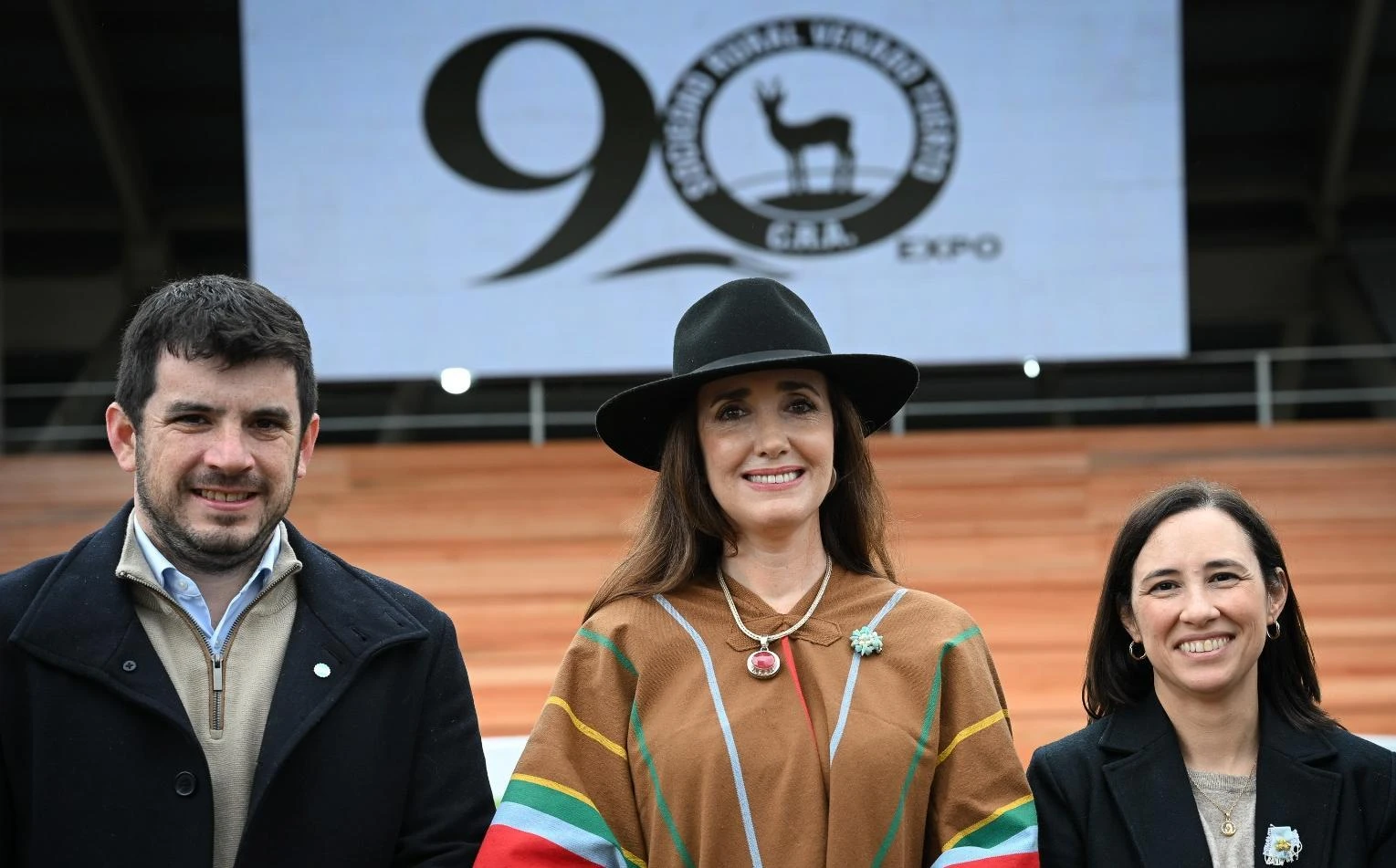
Victoria Villarruel, Argentina’s vice-president, spoke out on Friday 15 August 2026 at the opening of the 90th Expo Venado in Venado Tuerto, Santa Fe. She marked clear public distance from the government of President Javier Milei, expressing deep concern over ordinary Argentines and demanding an end to export taxes. Her words, reported by several outlets, add a new layer of tension inside the ruling coalition.
A rare public criticism from the vice-president’s chair
Villarruel used the stage of a major farming fair to voice worries that contrast with the government’s usual optimism. She did not name President Javier Milei or any minister directly, but her tone was unmistakable.
Her words were picked up by several news outlets, which noted the unusual nature of the speech. The vice-president has often stayed quiet on social matters, so speaking out here carries weight.
“I am extremely worried about Argentines who today have no work or who cannot make ends meet,” she told the audience, as reported by Infobae and other media. The remark was also phrased slightly differently in some reports: “I am worried about Argentines who have no work or do not reach the end of the month.”
She linked this worry to the economy’s core issue: inflation and falling real wages hurt families even as some indicators improve. Her choice of words suggests she feels the government is not doing enough.
The event itself, the 90th edition of Expo Venado, is a key date for the agricultural sector in Santa Fe, a province where farmers have long complained about tax burdens and state interference.
Why export taxes matter for the farming sector
Villarruel called for removing “retenciones,” which are taxes charged on exports, mostly from grain and beef. These taxes are a key revenue source for the state but are deeply unpopular among producers, who say they eat into profits and discourage investment.
She said “the future of our countryside and our industry must be without export taxes.” That sentence, reported by Filo.news and La Gaceta, became the headline of her speech and a direct challenge to the government’s fiscal strategy.
For a country that depends on agriculture, such taxes affect prices and income for producers. Removing them could lift output and boost rural economies, but it would cut state revenue at a time when Argentina is trying to balance its budget.
The vice-president did not offer a plan or a timeline. She just stated a final goal, which lets her appear pro-producer without committing to a specific policy or negotiating with the Treasury.
No bill behind the call, and no answer from the palace
When reporters asked if there is a bill in Congress to end these taxes, Villarruel answered directly: “there is no bill on the subject.” This is an important detail for any investor or observer.
It means her demand remains a personal position, not a government plan. Nobody in the legislature has yet put forward a draft law to act on her words, so the call has no immediate legislative weight.
The Casa Rosada, the presidential office, has not issued a public response to her speech. There is no record of a direct reaction, so the government’s stance is unknown — and we cannot speculate on one.
This silence could be deliberate, to avoid a public clash. But it also leaves a question hanging over the administration: does Milei back his vice-president’s call, or does he disagree quietly?
Internal government sentiment, as reported by Infobae, had been that the administration “competes against itself,” meaning it focuses on its own agenda and does not react to every opposition move. That approach now faces a test from within.
What this means for investors and residents
For people living in Argentina, this is a sign that even top officials feel the pinch on everyday life. The vice-president’s reference to “end of month” struggles — a common Argentine expression for making ends meet — speaks to real hardship affecting many families.
For investors, the gap between the official line and a vice-president’s words matters. It shows policy direction is not unified, and any change in export taxes is not imminent, given the lack of a bill.
Markets did not move on this news specifically, but they watch political shows from Buenos Aires closely. A divided government usually means slower reforms and more uncertainty, which can affect investment decisions in sectors like agriculture and energy.
If the government ever decides to cut retenciones, it will need a budget plan to replace the lost income. Until then, words stay words, and the tax stays in place — a point investors should keep in mind, as no immediate shift is on the horizon.
What this means for Latin America
For readers in Latin America, this episode is a reminder that Argentina’s political dynamics can have regional ripple effects. Argentina is a major food exporter, so any change in its export tax policy could affect global grain prices and regional trade flows.
The rift also shows that even in a government that has been in power for over a year, internal cohesion is not guaranteed. That matters for neighbors who trade with Argentina, like Brazil and Chile, and for investors with exposure to the region.
Villarruel’s remarks could embolden other officials to voice dissent, which might slow down the government’s legislative agenda. For the region, a less predictable Argentina is a factor to watch in the coming months.
Finally, the lack of a formal break — but the clear public distance — is a classic Argentine political move: a way to position yourself without triggering a full crisis. For those watching from outside, it’s a sign to read carefully, as the situation could evolve quickly.
Sources: infobae.com; rosario3.com; lagaceta.com.ar; filo.news; cronista.com
Frequently Asked Questions
Did Villarruel break with Milei’s government?
No. She did not formally break or leave her post. She made a public statement of distance with criticisms about social conditions and export taxes.
What are retenciones?
Retenciones are taxes that Argentina charges on exports, mainly on grain and beef. They are a source of state income but are unpopular with producers.
Is there a law to end export taxes?
No. As of 15 August 2026, there is no bill in Congress to remove them, according to Villarruel’s own statement.
How did the government react?
There is no recorded direct response from the Casa Rosada to the vice-president’s speech so far.
This article was produced by The Rio Times’ automated newsroom system. How we use AI · Report an error · Editorial responsibility: Matthias Camenzind, Editor-in-Chief
In depth