Uruguay’s Central Bank Raises Interest Rates to Tackle Inflation Pressures
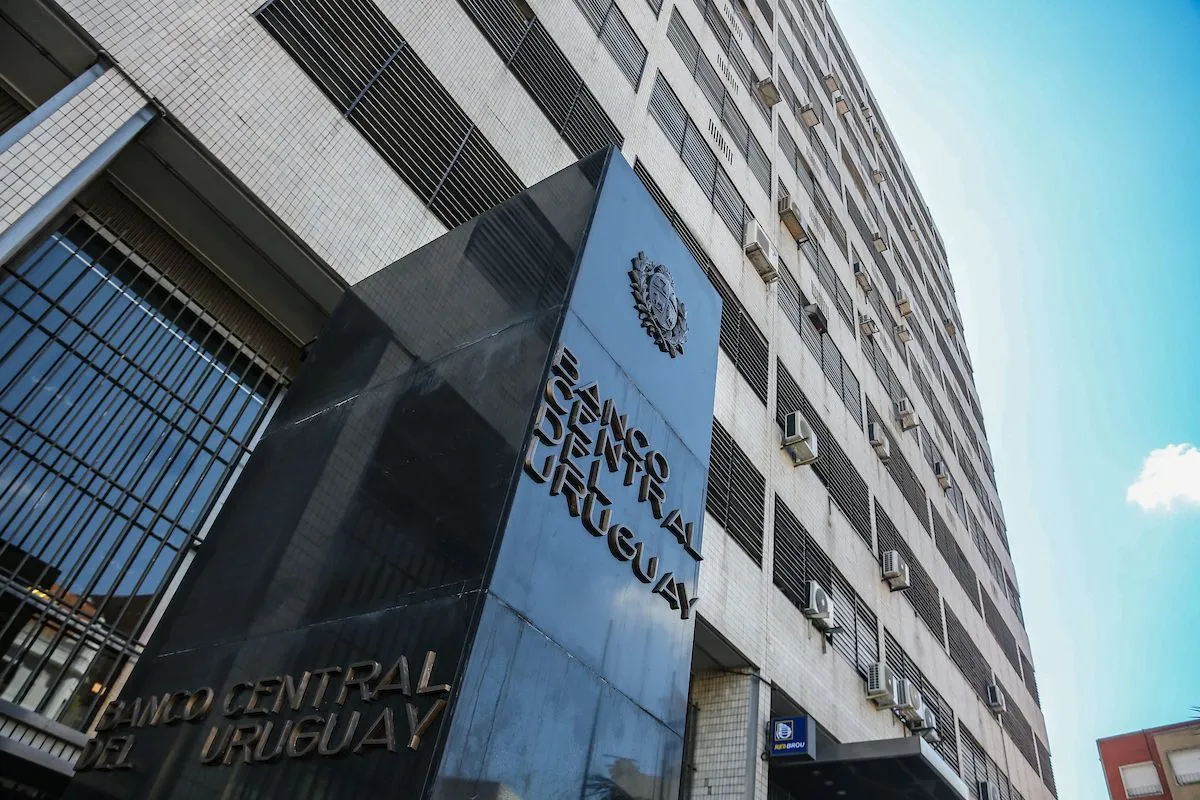
The Central Bank of Uruguay raised its Monetary Policy Rate (TPM) to 9.25% from 9.00%, marking its third consecutive increase. This decision aims to steer inflation toward the official target of 4.5% annually, as inflation expectations remain near the upper limit of the tolerance range.
Annual inflation reached 5.67% in March, maintaining 22 months within the target range of 3% to 6%. However, concerns persist about inflation expectations over the next two years, prompting the bank’s Monetary Policy Committee to unanimously adopt a contractionary stance.
Guillermo Tolosa, recently appointed president of the Central Bank, reiterated the institution’s commitment to stabilizing inflation during President Yamandú Orsi’s administration from 2025 to 2030.
Global factors, including heightened uncertainty from U.S. trade policies and falling commodity prices, have influenced Uruguay’s economic outlook.
While lower commodity prices could support disinflation efforts, their long-term impact remains uncertain. Domestically, Uruguay’s economy grew by 3.1% in 2024 but faces a projected slowdown to 2.5% in 2025 due to external pressures.
The peso’s appreciation against the dollar has helped moderate import costs but strained export competitiveness. Key sectors such as food and education contributed significantly to recent price increases, highlighting seasonal and structural challenges.
Uruguay’s inflation-targeting framework relies on interest rate adjustments to influence borrowing costs and spending behavior. By raising rates, the Central Bank signals its determination to maintain price stability amid global and domestic uncertainties.
The move reflects a cautious approach to balancing growth and inflation control while safeguarding economic resilience in a volatile environment.
More: Latin America news in English, every day from The Rio Times.
This article was produced by The Rio Times’ automated newsroom system. How we use AI · Report an error · Editorial responsibility: Matthias Camenzind, Editor-in-Chief