Unsinkable Aircraft Carrier in the Indian Ocean: Why Britain’s Diego Garcia Deal Matters
Britain has handed over the crown jewels of its Indian Ocean empire. In a dramatic ceremony on Thursday, Prime Minister Keir Starmer signed away British sovereignty of the Chagos Islands to Mauritius.
At the same time, he secured a 99-year lease on Diego Garcia, the horseshoe-shaped island that hosts America’s most crucial military outpost east of Suez.
The deal nearly collapsed hours before signing when a British court granted an emergency injunction following legal action by Bertrice Pompe, a Chagossian-born British national.
Judge Martin Chamberlain swiftly reversed the decision, declaring Britain’s strategic interests would face “substantial prejudice” from any delay. Diego Garcia sits at the beating heart of American military power in the Indo-Pacific.
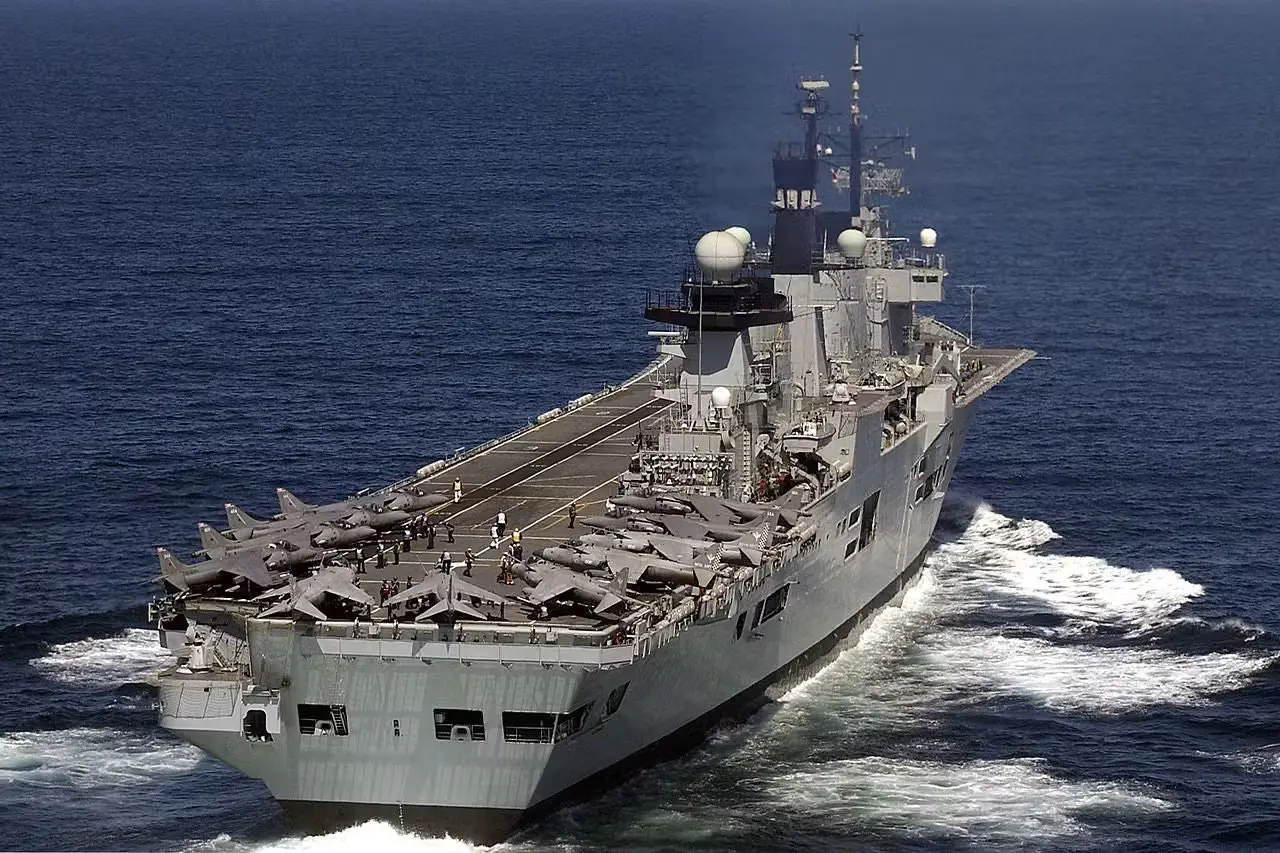
This 17-square-mile tropical atoll serves as America’s unsinkable aircraft carrier, positioned perfectly to project force across the Middle East, Africa, and Asia. B-52 bombers launched from its 12,000-foot runway struck Taliban positions after 9/11 and hammered Houthi targets in Yemen earlier this year.
“This isn’t just some remote island,” explains former US Naval Intelligence officer James Kraska. “Diego Garcia is the linchpin of Western security architecture across two-thirds of the globe. Lose Diego Garcia, and you effectively surrender the Indian Ocean to China.”
The base’s strategic value cannot be overstated. Located 1,796 kilometers southwest of India and 4,723 kilometers northwest of Australia, it provides the only secure deep-water port between the Persian Gulf and Singapore capable of servicing nuclear submarines and aircraft carriers.
Its isolation makes it virtually immune to surprise attack while offering unmatched operational reach. China has watched the negotiations with keen interest.
UK-Mauritius Deal Over Diego Garcia Sparks Strategic Alarm
Beijing has poured billions into Mauritius through its Belt and Road Initiative, constructing ports, highways, and digital infrastructure across the island nation. Chinese warships now regularly patrol these waters, challenging America’s decades-long naval supremacy.
“This deal hands Beijing a strategic victory,” warns Conservative opposition leader Priti Patel. “Labour has surrendered British sovereignty and opened the door to Chinese influence just 1,000 miles from our most vital military installation.”
The £3 billion agreement follows decades of legal battles over the archipelago. Between 1968 and 1973, approximately 2,000 Chagossians were forcibly removed from their homes to make way for the American base.
Their descendants continue fighting for the right to return. When the United Nations Court ruled Britain‘s occupation illegal in 2019, the diplomatic clock began ticking.
The Biden administration pressured Britain to resolve the sovereignty dispute while preserving the base’s operational capabilities. Trump’s return to the White House accelerated negotiations, with the president personally blessing the deal in February.
Military analysts note the timing coincides with China’s rapid naval expansion. The People’s Liberation Army Navy now operates more warships than America, with three aircraft carriers and a growing submarine fleet.
Diego Garcia represents America’s strongest counterweight to China’s ambitions in the Indian Ocean. “This isn’t just about military hardware,” explains geopolitical strategist Brahma Chellaney.
“Diego Garcia guards the sea lanes carrying 80% of Asia’s oil supplies. Whoever controls these waters controls the economic lifeline of the entire Asia-Pacific region.”
As British flags lowered over the Chagos Islands today, the stakes could not be higher. The future of Western security in the Indo-Pacific now rests on a 99-year lease of a tiny horseshoe-shaped island that most people couldn’t find on a map.
More: Egypt news in English, every day from The Rio Times.
This article was produced by The Rio Times’ automated newsroom system. How we use AI · Report an error · Editorial responsibility: Matthias Camenzind, Editor-in-Chief
Part of our ongoing coverage
Africa: The New Scramble — the great-power contest over the continent.