U.S. Links Colombia and Ecuador to Fentanyl Trade
The U.S. anti-narcotics chief Todd Robinson says Colombia and Ecuador play roles in fentanyl production and trade.
He made this claim at a UN event on synthetic drugs. The comment follows an agreement between the presidents of Colombia and Mexico.
They decided to address drug issues through preventive measures. Washington is evaluating this new approach, says Robinson.
Recent UN data shows a spike in illegal coca farms in Colombia. Colombian President Gustavo Petro has a new plan.
He aims to cut cocaine production by 40% in three years. Additionally, he wants to shift 50,000 coca-farming families to legal work.
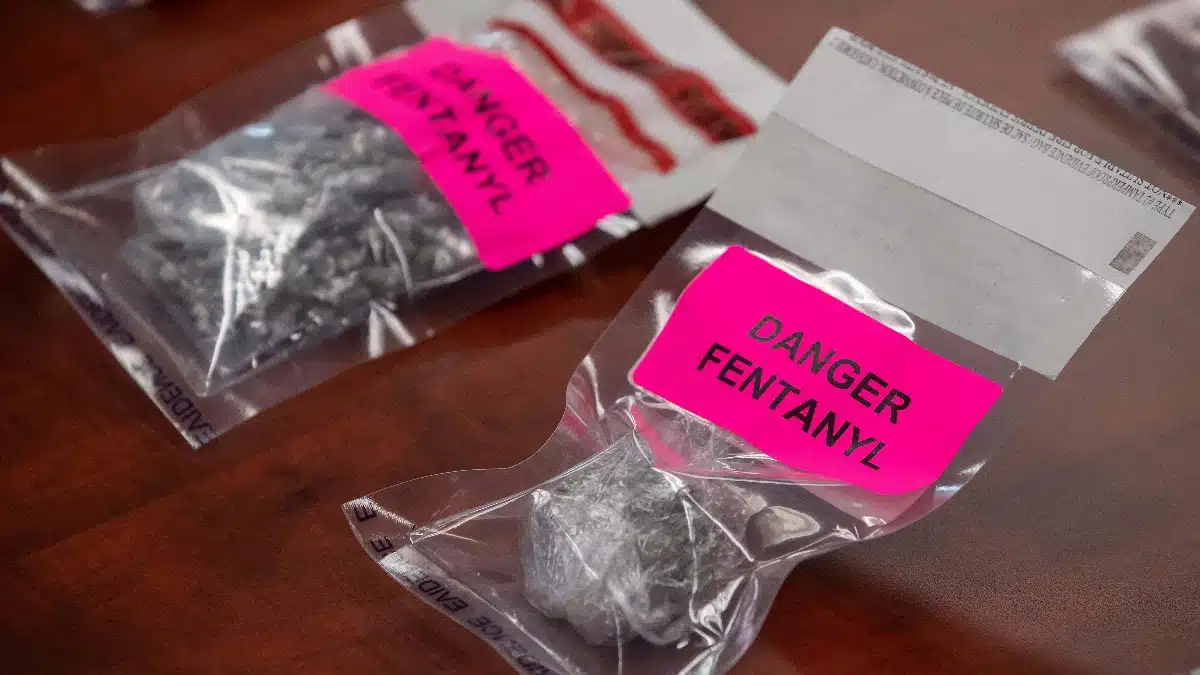
Recent U.S. CDC reports indicate a worrying trend. Over 107,000 Americans died from drug overdoses last year.
Of these, around 88,000 were due to opioids like fentanyl. The U.S. often blames China for providing fentanyl’s raw materials. This claim strains U.S.-China-Mexico relations.
In April, Mexico’s President wrote to China’s leader. He asked for a joint effort to combat fentanyl.
China denied trading fentanyl with Mexico but backed Mexico’s stance against the U.S.
Background
Understanding the fentanyl issue involves multiple nations. The U.S. looks at Colombia and Ecuador as new contributors.
This highlights a shift in the landscape of drug production. Washington’s evaluation of Colombia and Mexico’s new anti-drug strategy can be pivotal.
It could indicate a departure from the traditional “war on drugs”. Petro’s plan in Colombia is also crucial.
If successful, it may offer a blueprint for others. The CDC’s alarming numbers underline the urgency of the issue.
The U.S. accusation against China complicates international relations further. Mexico’s outreach to China indicates its willingness to find allies.
Lastly, China’s response may affect future collaborations in tackling this global crisis.
More: Colombia news in English, every day from The Rio Times.
This article was produced by The Rio Times’ automated newsroom system. How we use AI · Report an error
In depth
Read More from The Rio Times