U.S. Industry Stalls: Uncovering April’s Economic Signals
The Federal Reserve reports U.S. industrial production remained unchanged in April 2025, missing forecasts of a 0.2% rise. This stagnation reveals deeper challenges for American manufacturers.
The Industrial Production Index held steady at 103.9, up 1.5% from last year.
Manufacturing output dropped 0.4%, hit by supply chain issues and weaker demand for vehicles.
Utilities gained from higher energy use, but mining fell, balancing the overall figure. Capacity utilization stayed at 77.7%, below pre-pandemic levels, signaling underused resources.
Rising costs for materials and labor pressure manufacturers. Trade tensions and tariffs add uncertainty, impacting firms reliant on imports. The ISM Manufacturing Index at 48.7 shows a slowing decline, yet new orders and employment hint at cautious recovery.
Since the pandemic, supply chain disruptions and labor shortages have plagued industry. Lower 2024 interest rates spurred some growth, but 2025 brings renewed hurdles. The Federal Reserve’s high rates limit borrowing, slowing investment in factories.
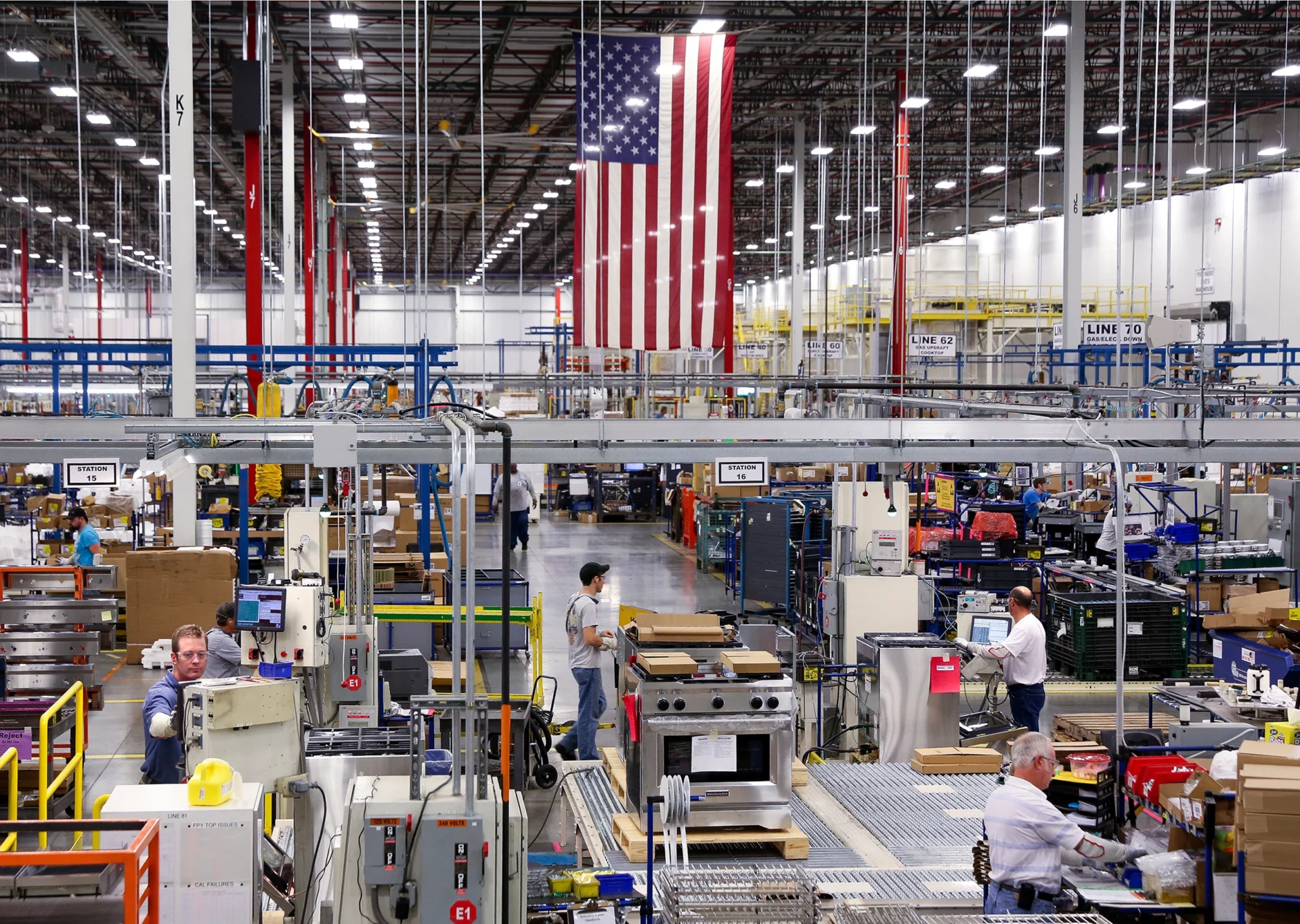
Compared to Brazil’s 2.9% industrial growth and the Eurozone’s 2.6% rise, U.S. stagnation stands out. Tariff policies and domestic costs weigh heavily. Consumer spending on goods like cars remains critical.
April’s flat production raises concerns about economic momentum. Supply chain fixes and clearer trade policies could lift output. However, persistent issues may signal deeper structural problems. Businesses watch closely, as industrial health shapes broader economic trends.
This pause demands attention. Manufacturers face real barriers, and April’s data underscores the need for solutions. The U.S. industrial sector’s path forward hinges on navigating these complex challenges.
This article was produced by The Rio Times’ automated newsroom system. How we use AI · Report an error · Editorial responsibility: Matthias Camenzind, Editor-in-Chief